Last updated November 22, 2026
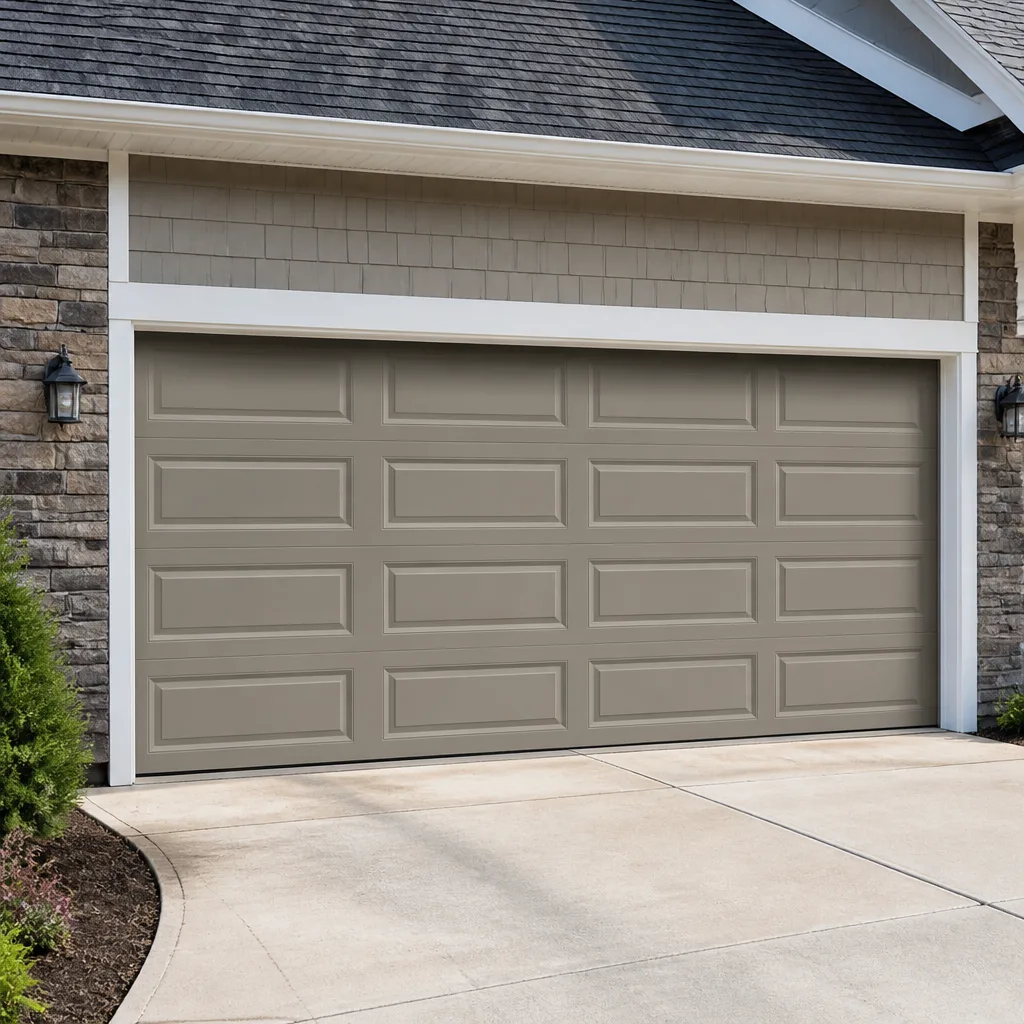 Raised-panel steel
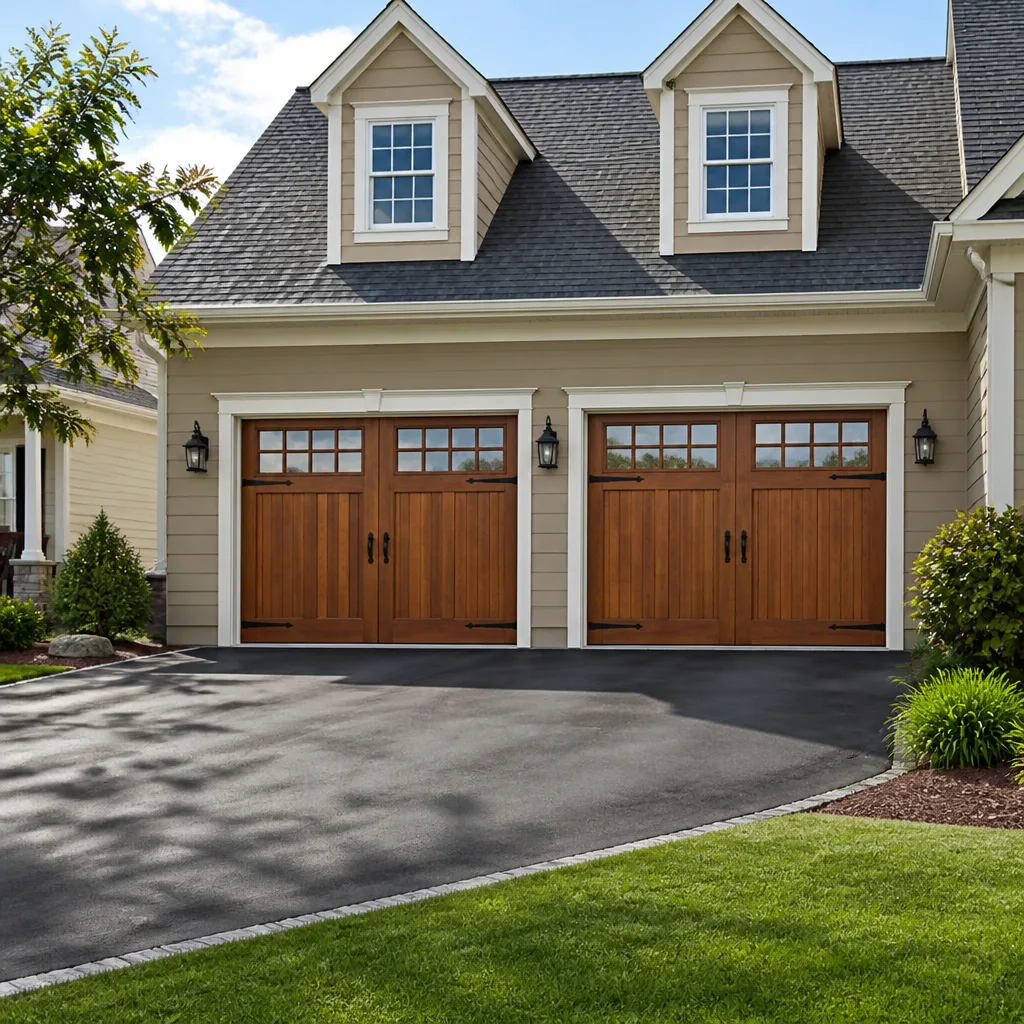 Carriage house
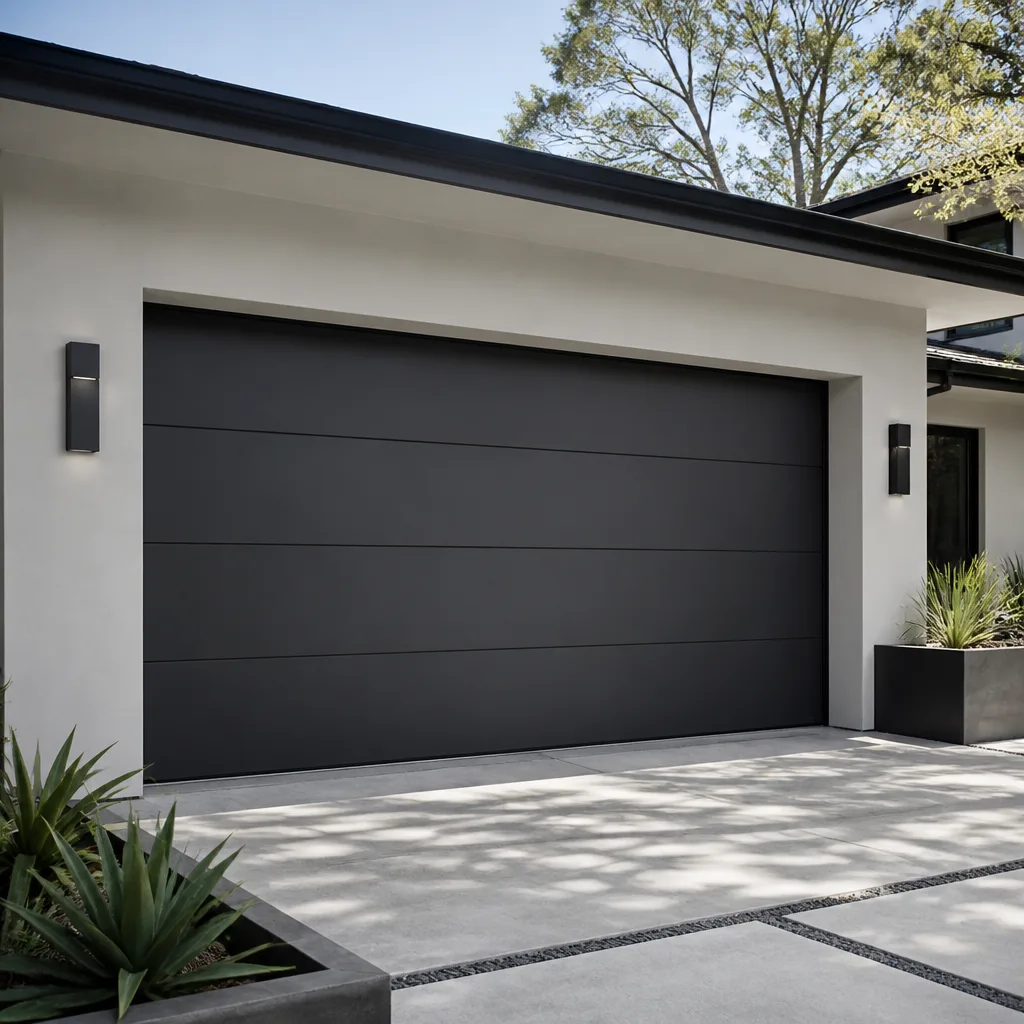 Modern flush
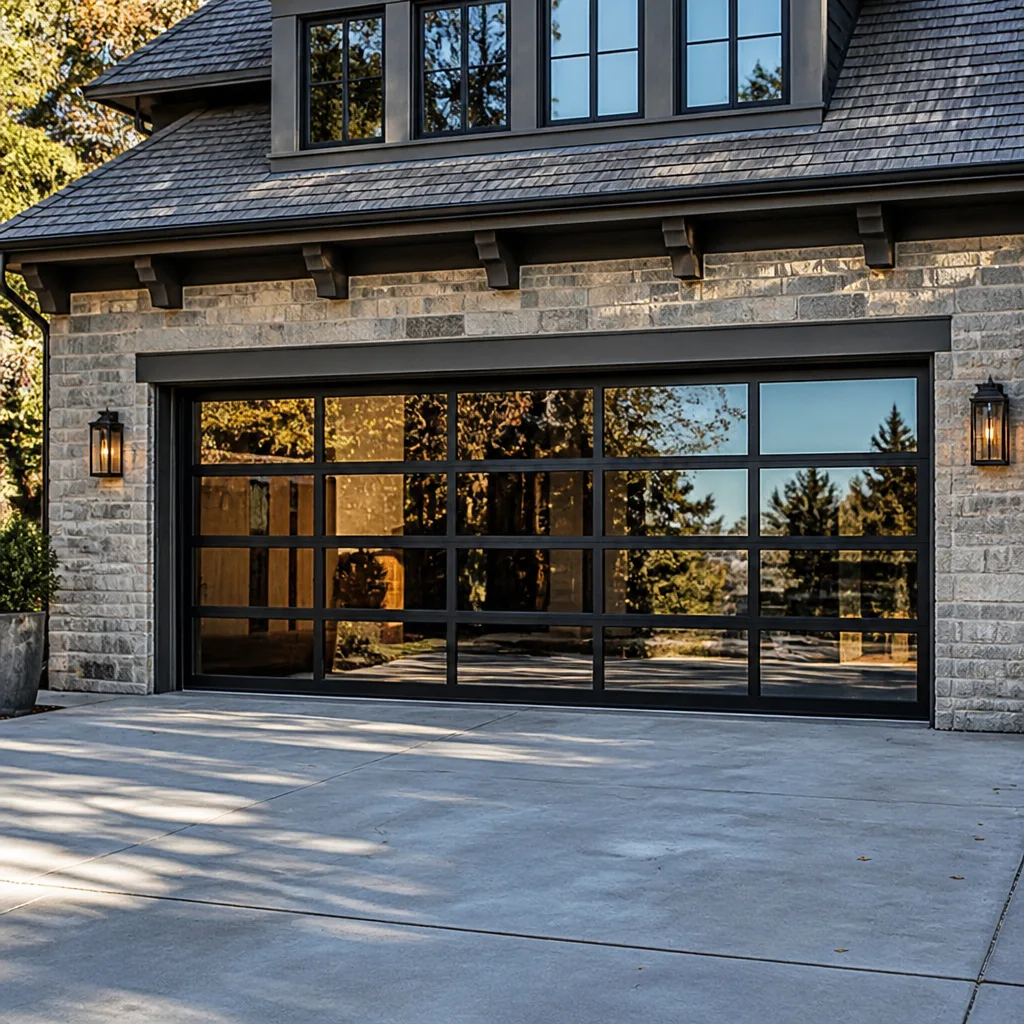 Full-view glass
 LiftMaster openers
 Chamberlain openers
Full 25-point door and opener safety check with every visit - springs, cables, rollers, tracks, and your LiftMaster or Chamberlain opener included
You get a price before we start. It does not change when the pro arrives.
Get your free estimateGarage Door Repair Troubleshooting in Boulder: Common Problems and How to Fix Them
Most troubleshooting guides hand you a list of symptoms and leave you to guess. That’s backwards. A garage door tells you what’s wrong through a sequence: what moves first, where it stops, which side sags, what sound it makes and when. Read that sequence correctly and you can narrow a failure down to a spring, a cable, a track, an opener or a sensor before anyone touches a tool. This guide teaches you to diagnose like a technician rather than guess like a DIYer. We’ll cover the failure modes that show up most in Boulder, the two that mean stop operating the door immediately, and the ones that are safe to live with while you book a repair.
Quick Answer
Most garage door problems in Boulder come down to one of five causes: a broken spring (door won’t lift or feels extremely heavy), a snapped or jumped cable (door hangs crooked), a bent or misaligned track, a worn opener gear or logic board, or misaligned safety sensors stopping the door from closing. Two symptoms mean stop now and call a professional: a loud bang followed by a door that won’t lift, and any door hanging visibly crooked with a slack cable.
Styles & brands we work with
- Raised-panel steel
- Carriage house
- Modern flush
- Full-view glass
- LiftMaster openers
- Chamberlain openers
Table of Contents
- How to Read Your Door’s Behavior Before You Touch Anything
- The Safety Triage Test: Stop Now vs. Safe to Use Manually
- Spring or Cable? How the Movement Pattern Tells You
- Opener Error Codes for the Four Most Common Brands in Boulder
- How Boulder’s Temperature Swings Change Garage Door Behavior
- The Manual Release Cord: The Sequence Most Homeowners Get Wrong
- Sensor and Track Problems: The Easy Fixes Worth Checking First
- When a Repair Is Beyond DIY
How to Read Your Door’s Behavior Before You Touch Anything
A garage door is a system of counterbalanced weight. The springs carry the door’s mass, the cables connect the springs to the bottom corners, the tracks guide travel, and the opener only supplies the nudge to start and stop. When something fails, the door’s motion changes in a predictable way. Learning to watch that motion is the single most useful troubleshooting skill you can build, and it’s what a technician does in the first thirty seconds on site. Our technicians have up to 11 years of experience, and this is the read they make before opening a toolbox.
Run this observation sequence with the door closed and the opener disconnected if you can do so safely. Note each behavior:
- Listen at rest. A door that’s silent is normal. A faint hum, a click on a timer, or an opener that beeps and stops usually means a logic or sensor issue, not a mechanical one.
- Watch the first six inches. If the door rises smoothly then jerks, the opener is fighting a spring that’s lost tension. If it doesn’t move at all but the motor hums, the opener is running but the door won’t follow.
- Watch the close. A door that reverses immediately after touching the floor is a travel-limit problem. A door that stops a foot above the floor is usually a sensor or a binding track.
- Look at the gap at the bottom corners. A door that closes with one corner lower than the other has a cable or track problem on that side.
- Feel the door by hand with the opener disengaged. Lift it a few inches. A properly balanced door holds position. A heavy door that drops is a spring failure. This is the one hand test that’s safe when the door is fully closed and you’re not standing under it.
Write down what you observe before you call. A clear description – “hums but doesn’t move,” “rises six inches then stops,” “closes crooked on the left” – gets you a faster, more accurate diagnosis than “it’s broken.” In Boulder, where doors cycle heavily during morning commutes and afternoon errands, that description saves real time.
The Safety Triage Test: Stop Now vs. Safe to Use Manually
Here’s the distinction that matters more than any other in this guide. Some failures are cosmetic or inconvenient. Some are dangerous. The dangerous ones involve stored energy in a spring or a cable under tension, and they can release without warning. If you remember nothing else from this page, remember this table.
Stop operating the door immediately if you see any of these
- A loud bang from the garage followed by a door that won’t lift. That’s a torsion or extension spring that has broken. The door is now unsupported and can fall.
- A visibly crooked door with a slack, hanging or disconnected cable. A cable under tension can whip and cause serious injury. Do not touch it, do not try to reattach it, do not force the door.
- A door that has come off one track or is dragging against a bent rail. Operating it further can bend panels and pull the track from the wall.
- Sparks, burning smells or a tripped breaker at the opener. That’s an electrical issue, and it’s a trained-technician job.
- A spring with a visible gap in the coil, or extension springs with a stretched or missing safety cable.
Safe to use manually while you schedule a repair
- A door that opens and closes but is noisy, squeaks, or grinds at the hinges.
- A door that reverses on the close (sensor issue) – use the wall switch, watch it close, and book repair.
- A keypad or remote that intermittently fails but the wall switch works.
- Cosmetic dents, a dragging weather seal, or a door that struggles only on cold mornings.
When in doubt, treat it as a stop-now. Pushing a questionable door through one more cycle is how a repair turns into a replacement, and how a homeowner gets hurt. Spring repair is a specialty for exactly this reason, and it’s one of the services we treat as a dedicated, safety-sensitive job – not a general handyman task.
Spring or Cable? How the Movement Pattern Tells You
Springs and cables fail in different ways, and the door’s motion reveals which one. This is the diagnostic distinction most homeowners get wrong, and it’s the one that changes what the repair involves.
Signs the spring is the problem
- The door feels extremely heavy when you lift it by hand, or won’t stay up.
- The opener motor runs but the door doesn’t move, or moves an inch and stops.
- You heard a single loud bang.
- Torsion spring doors: a visible gap in the spring above the door. Extension spring doors: a stretched, hanging or broken spring along the horizontal tracks.
- Door opens fine but slams closed under its own weight.
Signs the cable is the problem
- The door hangs crooked, one side lower than the other.
- A cable is visibly slack, frayed, off its drum, or dangling.
- The door binds or scrapes on one side as it moves.
- The bottom brackets are uneven, or one side of the door pulls away from the floor on close.
Signs it’s the opener, not the springs or cables
- The door moves fine by hand but the opener won’t engage.
- You hear a hum or a click from the motor but no motion, or the motor runs and the chain or belt doesn’t move.
- The door reverses for no reason, or the wall switch works while remotes fail.
- Error codes, beeps or flashes from the opener unit itself (see the next section).
Torsion spring setups are standard on newer Boulder homes and on most clopay and Amarr doors; many older homes still run extension springs. Both fail, but the diagnostic read is different. A broken torsion spring is the single most common professional spring call, and it’s the one we always treat as a stop-now.
For spring-specific work we handle as a dedicated job, see our garage door spring repair page. If the read points to the opener, that’s a separate diagnosis entirely.
Opener Error Codes for the Four Most Common Brands in Boulder
Error codes get misread constantly. The code isn’t a verdict on the brand or the age of the opener; it’s a starting point for diagnosis. Here’s what the codes on the four most common openers in Boulder homes actually mean in plain language. Which codes your unit shows depends on the model, so check your manual for the exact flash pattern, but the meaning is consistent across the family.
LiftMaster
Flash patterns usually indicate a sensor alignment or a safety-reverse fault. A rapid blink on the safety LED, or a code in the 1-5 range on newer units, generally points to the safety sensors being out of alignment, blocked, or wired to a damaged lead. LiftMaster is one of the brands we handle most often, and sensor issues are far more common than motor failures.
Chamberlain
Chamberlain and LiftMaster share much of their control architecture, and the diagnosis is similar. Multiple flashes from the opener LED often mean the door didn’t complete its travel – either the up or down limit is set wrong, or something is binding the door and the opener is re-trying. Check for a foreign object in the track before assuming the board is bad.
Craftsman
Craftsman openers are everywhere in older Boulder homes, and many run legacy screw-drive or chain-drive systems. A code indicating “door doesn’t close and light flashes” almost always points to the safety sensors or a broken down-limit switch. The age of the unit matters more here, because worn gears and fatigued capacitors produce the same codes as sensor faults, and you can’t always tell which without testing.
Genie
Genie codes tend to flag force-limit trips and sensor faults specifically. A code that means “door hit resistance on close” often means the door is binding, not that the safety reverse is faulty. Look for a sagging track or a door that’s harder to move by hand than it should be. On a Genie, that force-limit trip is a useful clue that the door itself has a balance problem.
For brand-accurate diagnosis on any of these units, our garage door opener repair service covers LiftMaster, Chamberlain, Genie, Craftsman, Raynor and others. If you’re seeing a code that doesn’t match any of these, the unit is likely a Wayne Dalton system or an older model with a different flash sequence.
How Boulder’s Temperature Swings Change Garage Door Behavior
Boulder sits at the foot of the Flatirons, and that position creates a specific pattern: cool, dry nights rolling into warm, sunny afternoons, then back down overnight. Metal expands and contracts more across those swings than it does in flat, stable climates, and garage door components feel it. Springs lose tension in cold morning air and gain it back as the metal warms. Track rails bow slightly differently on the sunny side of the house than on the shaded one. Grease thickens overnight and thins by midday. None of this is exotic – it’s just how a door in Boulder actually behaves across a day.
What that means for troubleshooting:
- A door that struggles only on cold mornings is usually a lubrication or spring-tension issue, not a hardware failure. Book a tune-up rather than a repair.
- A door that closes harder in the afternoon sun may be a track that bows when warm. If it corrects itself after sunset, note that pattern for the technician.
- Cables trained on one side in direct afternoon sun can show uneven wear across seasons. That’s a Boulder-specific read a flat-climate guide won’t tell you.
- Doors on north-facing garages often stay cold longer and dry out slower after a snowmelt, so moisture is a slightly bigger factor on that side.
Homes in neighborhoods like North Boulder, Table Mesa and Gunbarrel all sit at slightly different elevations and sun exposures across town, so the seasonal pattern varies block to block. That’s why a technician’s read of your specific door on your specific side of the house matters. A generic “your door is old” diagnosis misses this entirely.
Our technicians have up to 11 years of experience reading doors in this climate, and it’s a big part of why we ask where the door faces and what time of day the problem shows up. The answer is diagnostic data.
The Manual Release Cord: The Sequence Most Homeowners Get Wrong
The manual release is what you pull to disconnect the opener from the door so you can raise it by hand. It’s a small red cord (on most units) hanging from the opener trolley, and it’s the single most commonly mishandled component in an emergency. Get the sequence wrong and you can damage the opener carriage, bend a carriage bolt, or force a door that isn’t supposed to move.
The correct sequence
- Close the door fully first (if it’s already up and safely supported, leave it). Pulling the release on an open door while the springs are at full tension drops the door under gravity.
- Stand clear of the door path and below the track. Never stand directly under an open door when you pull the release.
- Pull the release cord straight down with a firm, steady motion. The carriage should disengage with a distinct click.
- Lift the door by hand from the bottom panel if you need access. A balanced door lifts with a modest push. A heavy door tells you the springs are compromised – stop there.
- To re-engage, raise the door until the carriage clicks back onto the trolley, or press the wall switch once and let the carriage pick up the door on the next cycle.
What homeowners get wrong
- Pulling the release to “reset” a door that’s hung up mid-travel. This can drop a door with a broken spring under full gravity. If it’s hung up and the springs are suspect, don’t touch the release.
- Pulling the release while the opener is running. That’s how carriage bolts snap and the trolley arm bends.
- Leaving the door disengaged and then running the opener. The opener cycles, the door doesn’t, and the carriage re-engages in the wrong position. Re-engage first, then run.
- Tying the release cord up or shortening it. That makes it unreachable in an actual emergency. Keep it hanging.
If the release won’t budge or the carriage won’t re-engage, that’s a mechanical problem in the trolley or the carriage, not something to force. Book a repair and use the wall switch only to watch the door, not to operate it.
Sensor and Track Problems: The Easy Fixes Worth Checking First
Before assuming the worst, check the two most common and most fixable problems: the safety sensors and the track alignment. A large share of “the door won’t close” service calls turn out to be sensor alignment or a track that’s drifted a quarter inch, both of which a technician fixes quickly.
Safety sensors
The two small sensors at the bottom of each side of the door frame shoot an invisible beam across the opening. If the beam is broken, the door reverses or refuses to close. Check for:
- A sensor LED that’s off or blinking rather than solid – usually a misalignment or a blocked lens.
- Dirt, cobwebs, a leaf or a parked bike in the beam path.
- A sensor that’s been knocked slightly by a lawnmower, snow shovel or car bumper.
- Loose wiring running from the sensor to the opener head.
Straighten the sensors by eye and check the LED. If it doesn’t go solid, the sensor or its wiring is faulty and needs replacement. Never bypass or tape over the sensors – they exist to prevent the door from closing on a person, pet or object.
Track alignment
Tracks guide the door’s travel up and down. They should be parallel to each other and the rollers should sit square in the channel. Signs of a track problem:
- The door drags or scrapes on one side.
- A visible gap between the roller and its track, or a roller that’s popped out of the channel.
- The track is visibly bent or has drifted away from the wall bracket.
A small alignment issue can be corrected, but a bent track is usually a replacement. If the track is bent enough that the rollers leave the channel, stop operating the door and book a repair – pushing through it bends panels and turns a small fix into a large one. For the complete range of mechanical repairs, from tracks and rollers to panels and hardware, our garage door repair service covers the full scope.
When a Repair Is Beyond DIY
Some of what a door does can be handled by a careful homeowner: lubricating hinges, cleaning sensors, replacing a remote battery, resetting a keypad, straightening a visually misaligned sensor. The rest is not a DIY category, and it’s worth being direct about why. Springs, cables, torsion bars and bottom brackets store and release real energy. Getting it wrong can break bones or worse, which is exactly why spring repair is a named specialty rather than a general handyman task.
Those are the jobs we recommend handing to a trained technician:
- Any spring replacement, torsion or extension. This is a specialty job with specific tools and wind-down procedures.
- Any cable repair, including a slack or disconnected cable on a crooked door.
- Bottom bracket or drum work. Those parts are under spring tension and are the ones most likely to surprise a DIYer.
- Opener replacement or logic board swap, including on LiftMaster, Chamberlain, Genie, Craftsman and Raynor units.
- Track replacement or a door off its track.
- Panel replacement, since panel weight and spring tension must match.
If the read on your door points to any of the above, that’s not a defeat – it’s the correct call. The counterbalanced door is safe when the springs and cables are healthy and dangerous when they aren’t, and no video tutorial teaches you to feel that difference in your hands. When the read is unclear, a free estimate from a specialist settles it in fifteen minutes.
Common Mistakes to Avoid
- Pulling the manual release on an open door to “test” the springs. That’s how a healthy door drops under gravity. The release is for emergencies, not for diagnosis.
- Lubricating a noisy door with WD-40 or a generic spray. A dry or light lubricant doesn’t stay on the hinges, rollers and tracks the way a proper garage-door lubricant does. It quiets the door for a week and lets the wear get worse.
- Forcing a crooked door through one more cycle. When a door hangs on one side, the panel is stressed more every time it runs. In Boulder’s swings of warm afternoon sun and cool nights, that stress compounds. Stop the door and call it in.
- Bypassing or taping over the safety sensors. This is a safety failure, not a shortcut. The sensors keep the door from closing on people and pets, and they’re there for a reason.
- Adjusting the travel limits to “fix” a door that binds. A door that’s binding has a mechanical problem in the track or the balance, and stretching the travel limits doesn’t fix either – it just masks the symptom until the door stops completely.
- Using a general handyman for a spring or cable repair. General handymen aren’t equipped for the energy in a tensioned spring. This is a garage door specialty, and it’s the one place a wrong-yet-confident hand is most likely to get hurt.
- Booking a repair without describing what you actually saw. “It’s broken” gets you a general appointment. “It hums but doesn’t lift, and the spring above the door looks intact” gets you a specialist who shows up with the right parts. Boulder homeowners who arrive at the call with a clear read get the correct fix faster and cheaper.
See the difference
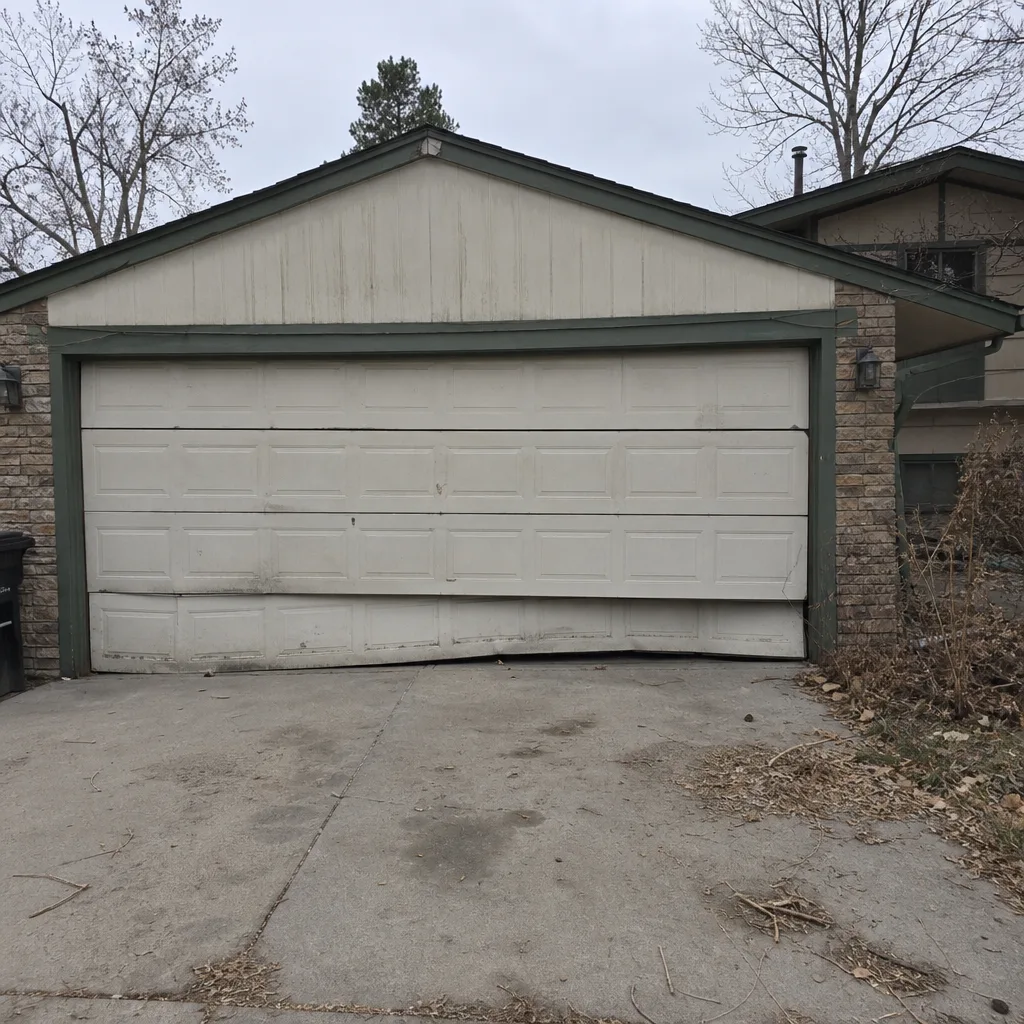 Before
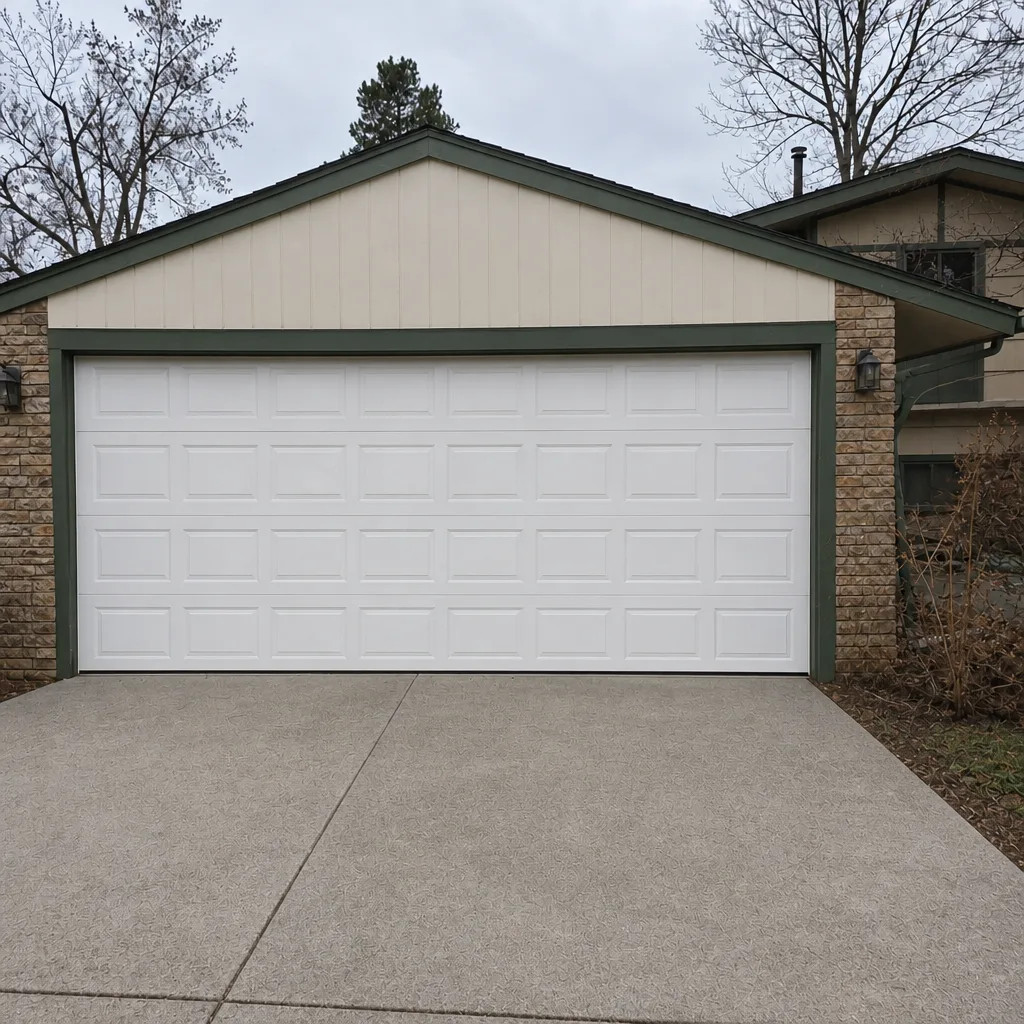 After
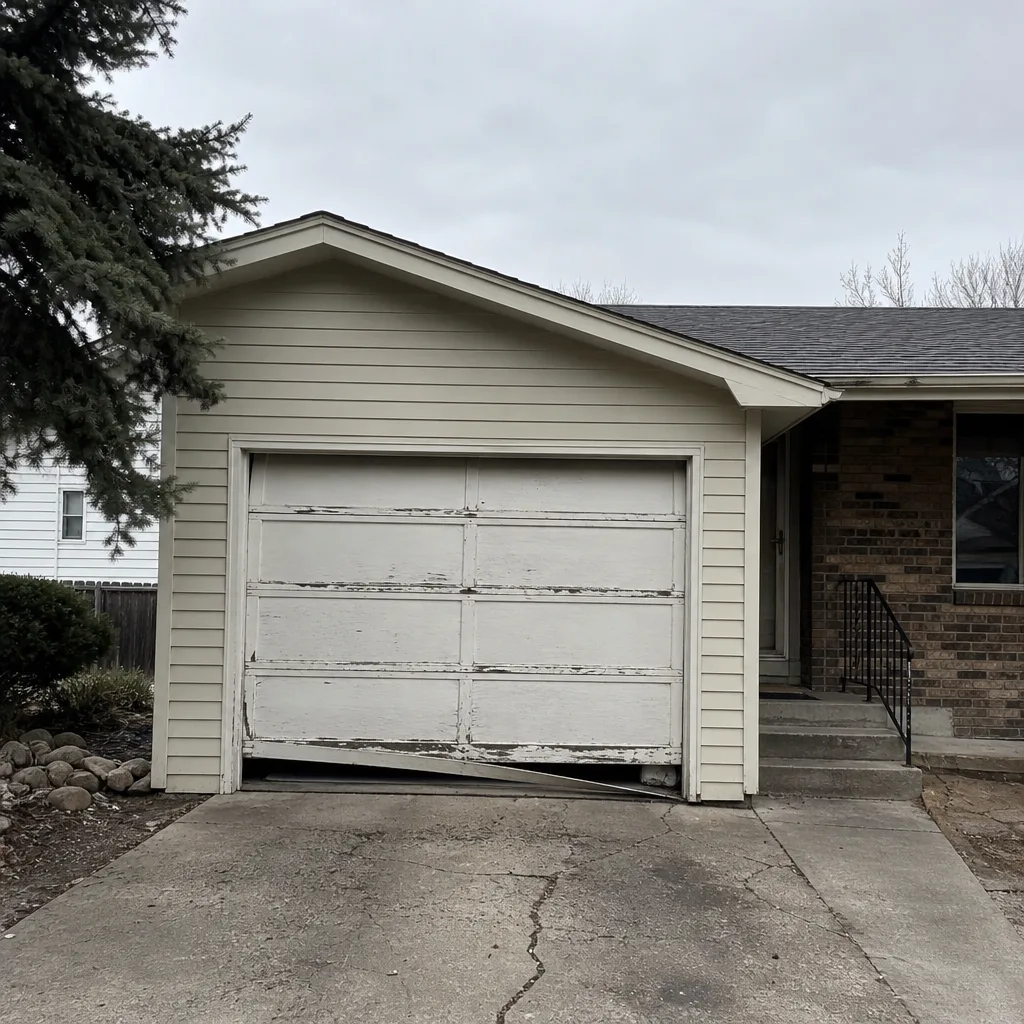 Before
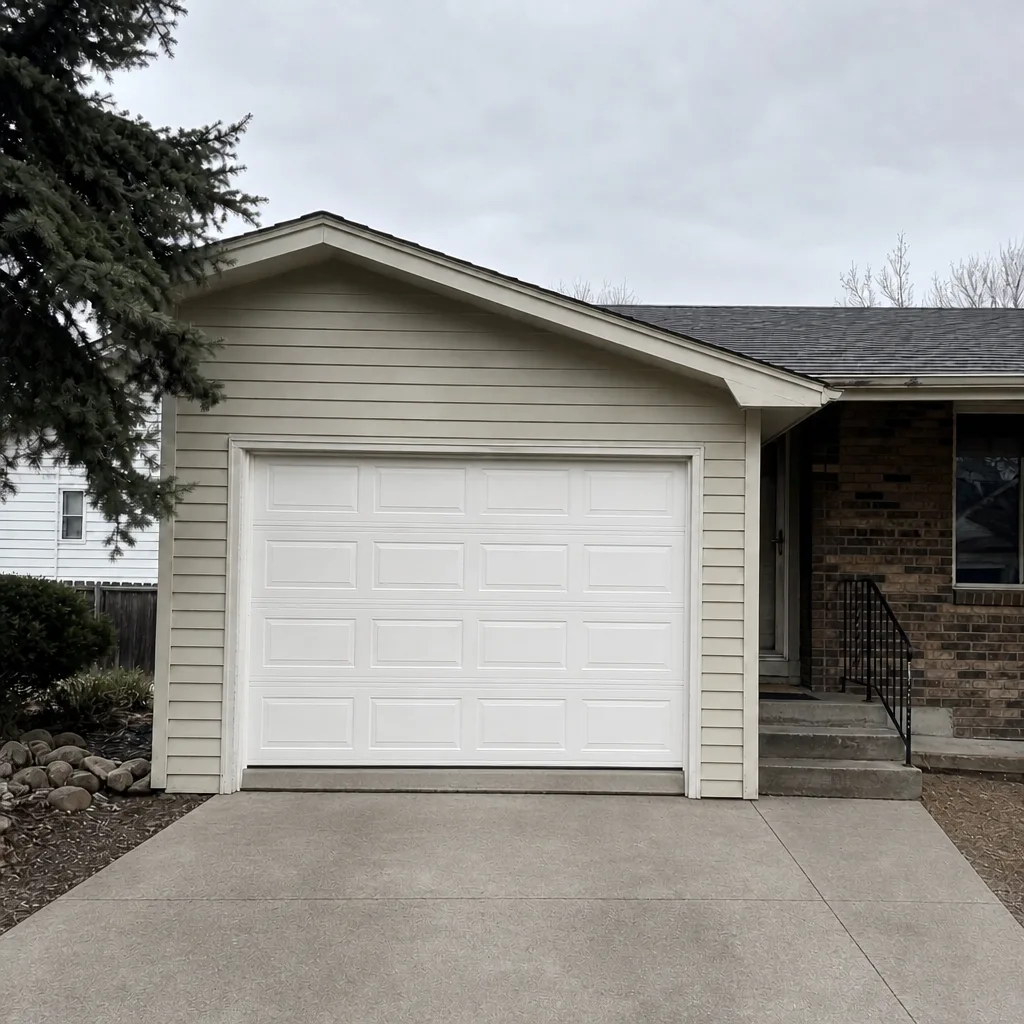 After
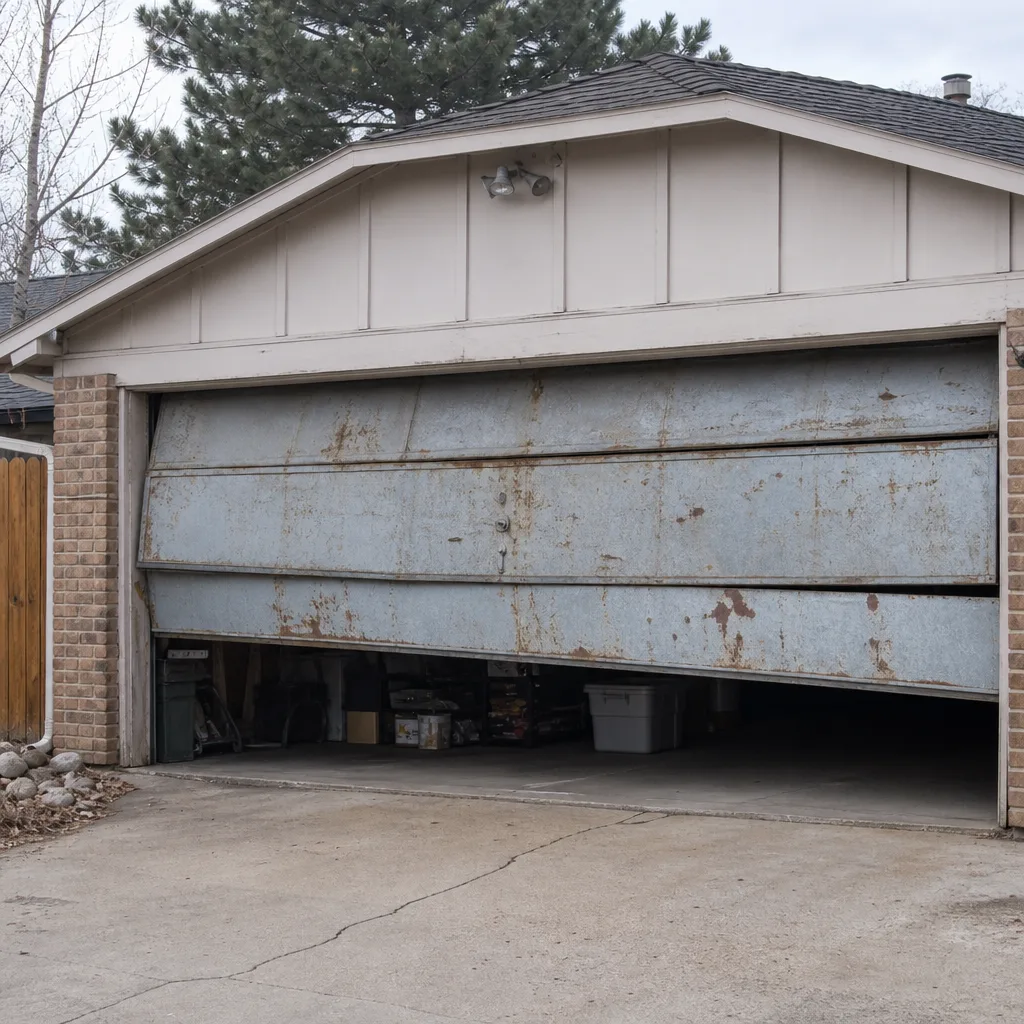 Before
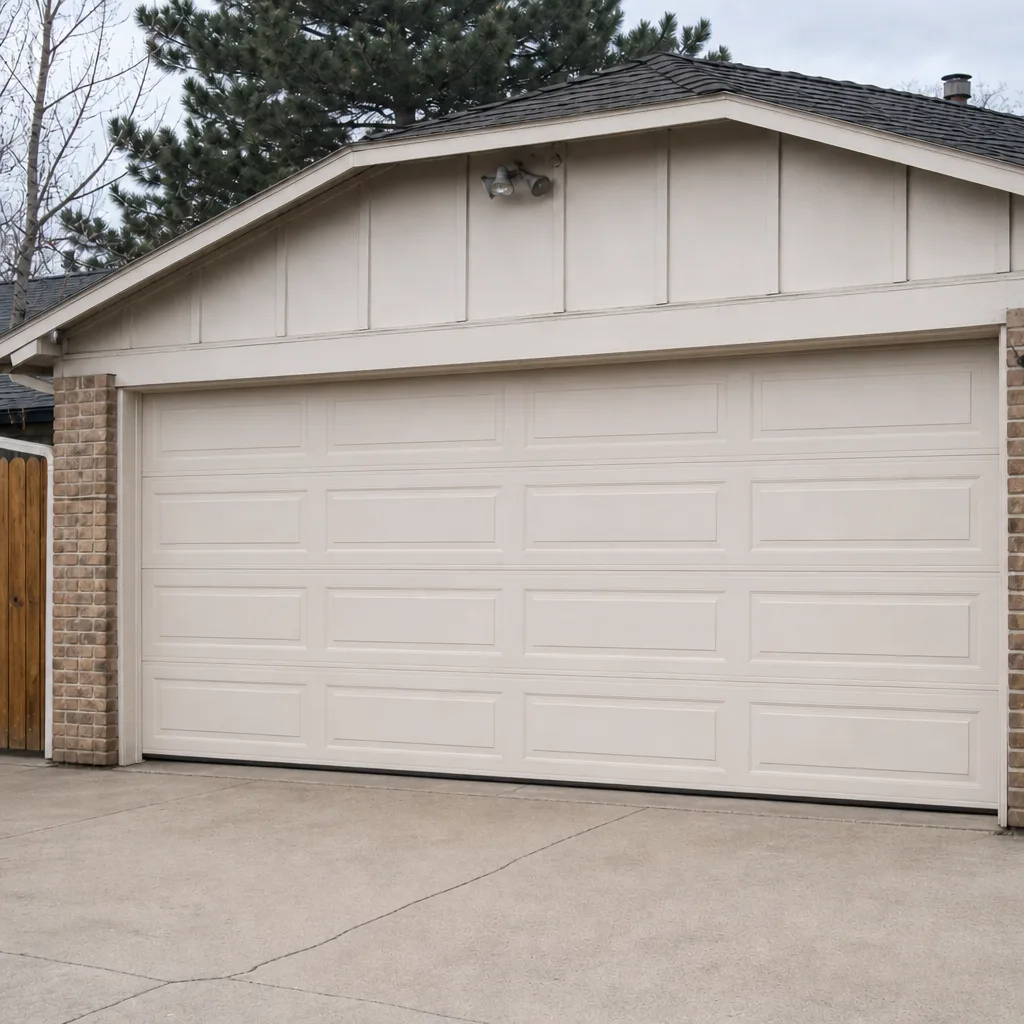 After
When to Call a Professional
Call a professional when the read points to a spring, a cable, a bottom bracket, a drum, a bent track, an opener board or a door off its guides. Those are the jobs where a trained technician with the right tools matters, and where forcing a repair can turn a contained fix into a whole-door replacement. Call immediately – not later – when you’ve heard a bang and the door won’t lift, when the door is hanging crooked or a cable is slack, or when you smell burning near the opener. Those are the two emergency scenarios this guide is built around, and they’re the ones where speed prevents injury and secondary damage.
Boulder Garage Door Repair Pros offers free estimates in Boulder – call (855) 694-6347. Our technicians have up to 11 years of experience, and the price is quoted and agreed before any work starts.
Frequently Asked Questions
No. A garage door spring is under extreme tension, and replacing it requires specific winding tools and a trained technique. An incorrect removal or install can release the spring with enough force to cause serious injury. Spring repair is a job for a trained technician, and it’s one we treat as a dedicated, safety-sensitive specialty.
Spring repair pricing depends on the spring type, the door weight and whether one or both springs need replacing. Call (855) 694-6347 for a free estimate on your door, and we’ll quote the exact work before anything starts. The written quote sets the price you pay.
That pattern almost always means one of three things: a broken or weakened spring, a binding track, or an opener that’s tripping its force limit. The check that tells you which is to disconnect the opener and lift the door by hand. If it’s very heavy, it’s the spring. If it lifts but drags on one side, it’s the track or cable. If it lifts easily but the opener won’t engage, it’s the opener.
A door that reverses at the floor is usually a travel-limit adjustment or a safety-reverse sensor issue, not a spring failure. Check the sensors first, then check the down travel limit on the opener. If neither changes the behavior, it’s worth a professional diagnosis, since the cause can also be a binding door that the opener reads as an obstruction.
A click or hum without motion generally means the opener is trying to run but the door isn’t following. The most likely causes are a broken spring (so the opener can’t lift the door’s weight), a stripped drive gear in the opener, or a carriage that’s been left disengaged after the manual release was pulled. Start with the manual release check – a surprising number of “dead opener” calls are a carriage that never re-engaged.
Yes, and it should be a professional repair. A door off its track has the weight of the panels plus spring tension loaded against the remaining track, and forcing it back can bend panels and pull the track from the wall. Stop operating the door, keep people clear, and call (855) 694-6347 for a free estimate. Same-day service is often possible for a door that’s blocking access.
The Bottom Line
Garage door troubleshooting is really about reading the sequence: what moves, what stalls, what sounds, and what doesn’t respond. Springs fail with a bang and a heavy door. Cables fail with a crooked door and a slack line. Track problems drag or scrape on one side. Opener problems run without motion, click without engagement, or flash an error code. Sensors cause the door to reverse on the close. Sorting those from each other takes a few minutes of observation, and it tells you whether you’re looking at a stop-now problem or a schedule-it-in problem. In Boulder’s temperature swings, some door behavior is seasonal and worth noting, not panicking over. When the read points to a spring, a cable, a track or a bent panel, call us. From a broken spring to a full new door, that’s our specialty.
Need a technician who can read your door the first time? Boulder Garage Door Repair Pros works on your brand – LiftMaster, Chamberlain, Genie, Clopay, Amarr, Wayne Dalton, Craftsman and Raynor – and covers the full scope from opener repair to new installation. The price is quoted and agreed before any work starts. Call (855) 694-6347 for a free estimate. If you’re comparing a few providers, look for a specialist who’ll describe the diagnosis back to you in plain language; that’s the technician who’ll get it right the first time.
For the parent company and full service overview, visit Boulder Garage Door Repair Pros.
Written by the team at Boulder Garage Door Repair Pros.