Last updated November 22, 2026
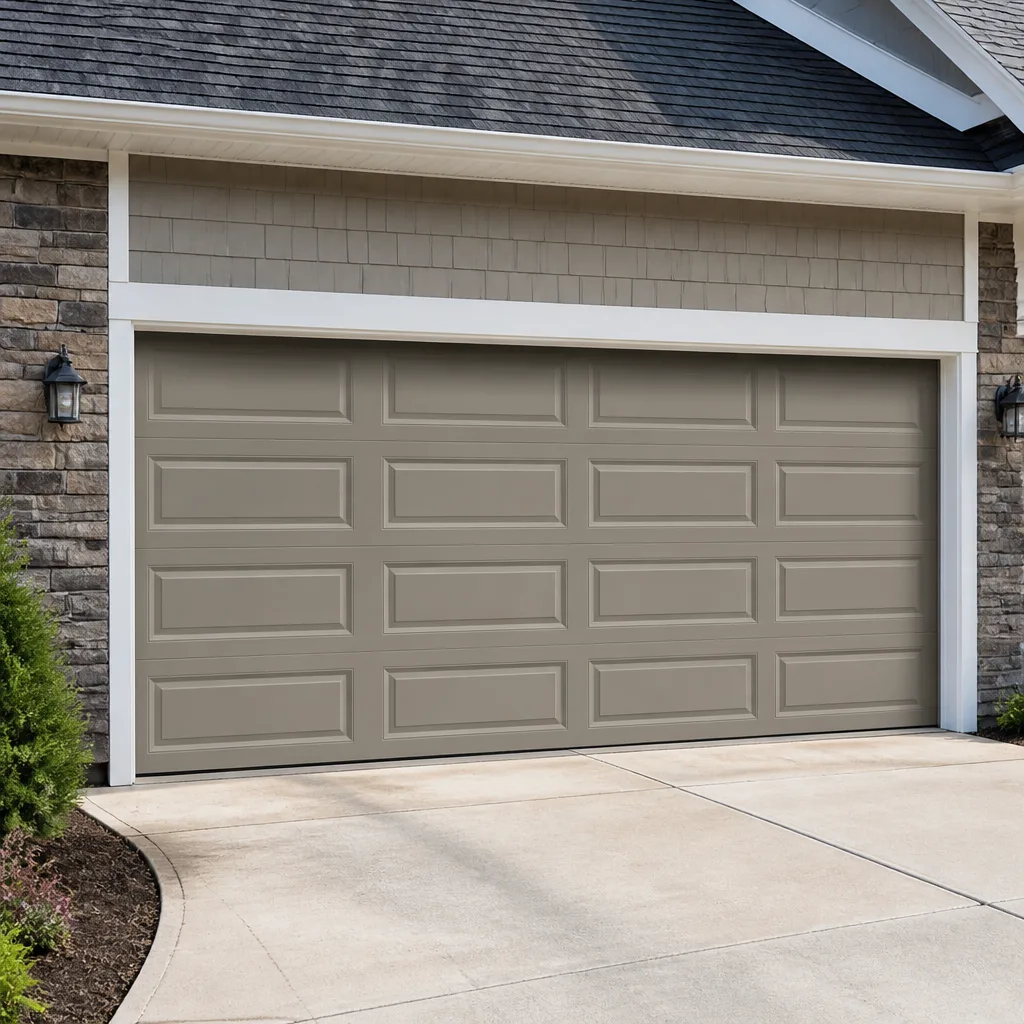 Raised-panel steel
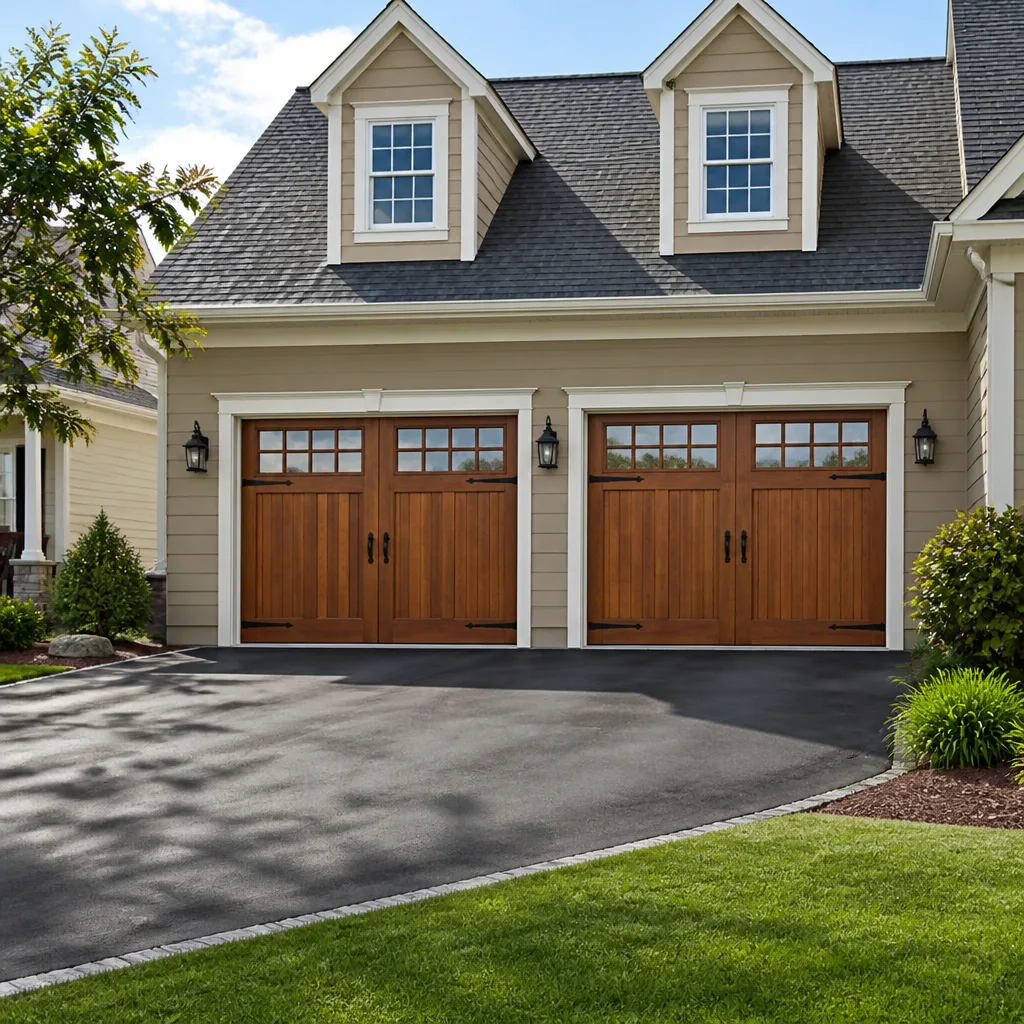 Carriage house
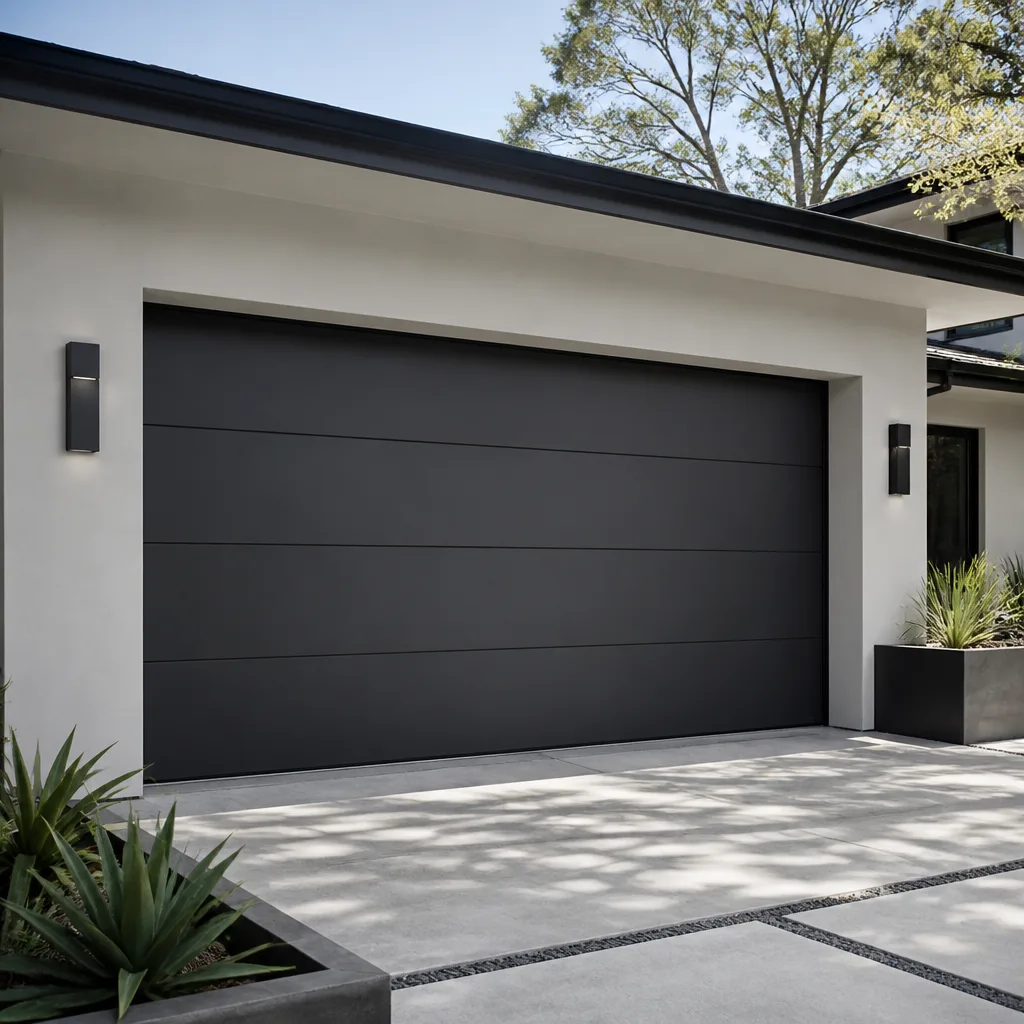 Modern flush
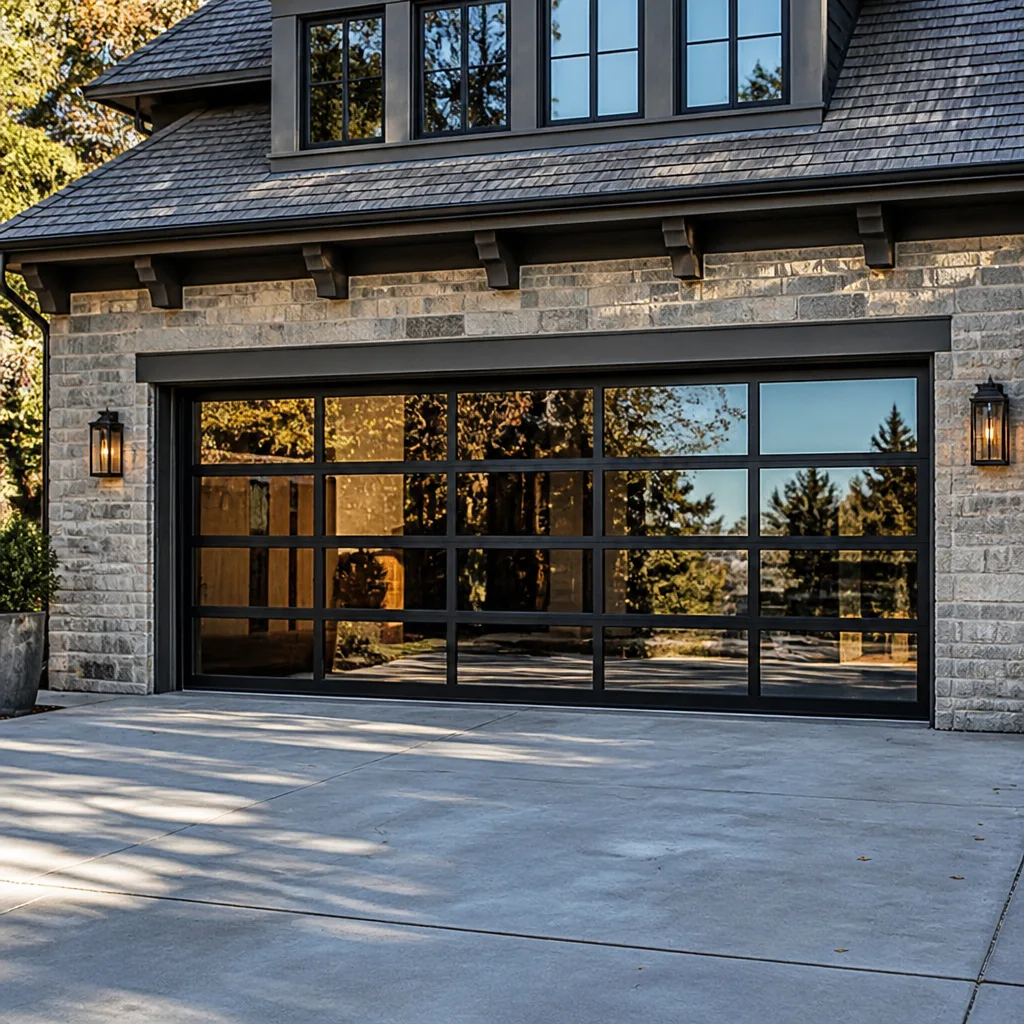 Full-view glass
 LiftMaster openers
 Chamberlain openers
Full 25-point door and opener safety check with every visit - springs, cables, rollers, tracks, and your LiftMaster or Chamberlain opener included
You get a price before we start. It does not change when the pro arrives.
Get your free estimateSeasonal Garage Door Care for Boulder: Year-Round Homeowner’s Guide
Most generic garage door care advice is written for a climate that doesn’t really exist: four tidy, equal seasons. Boulder doesn’t work that way. Our springs are wet and variable, with meltwater refreezing in the tracks overnight. Our summer sun hits harder at altitude and cooks panels and finishes. Fall hands you a short prep window before the first hard freeze. And winter here is defined less by steady cold than by sudden swings, the kind chinook winds deliver when they push temperatures from 15°F to 60°F in under twelve hours. That thermal shock is harder on springs and bottom seals than weeks of steady cold, yet almost no seasonal guide accounts for it. In this guide, we’ll walk you through what your garage door actually needs in Boulder, season by season, and why the calendar most maintenance checklists use is the wrong one.
Quick Answer
Seasonal garage door care in Boulder means tuning your maintenance to a wet freeze-thaw spring, a high-UV summer, a short fall prep window, and a winter of abrupt temperature swings. The two things that matter most are inspecting seals, tracks, and rollers after every spring thaw, and lubricating moving parts with the right product before the first freeze. Springs are the component most stressed by Boulder’s temperature swings, and they should always be inspected and serviced by a trained professional.
Styles & brands we work with
- Raised-panel steel
- Carriage house
- Modern flush
- Full-view glass
- LiftMaster openers
- Chamberlain openers
Table of Contents
- Spring (March – May): Assessing Freeze-Thaw Damage
- Summer (June – August): Protecting Panels and Finishes from UV
- Fall (September – November): The Pre-Winter Prep Sequence
- Winter (December – February): Managing Mid-Season Thermal Swings
- Year-Round: How Boulder’s Low Humidity Affects Wooden Doors
- A Simple Seasonal Maintenance Schedule for Boulder
- Common Mistakes to Avoid
- When to Call a Professional
Spring (March – May): Assessing Freeze-Thaw Damage
Boulder’s spring is the hardest season on a garage door, and it’s not because of the cold. It’s because of the water. Snow melts during the day, runs into the door’s seams and tracks, then refreezes overnight when temperatures drop back below freezing. Expand, contract, expand, contract. Multiply that by weeks of wet, variable weather and you get the wear pattern we see more than any other in Boulder.
The photo cells at the bottom of the door and the bottom seal are where it starts. Wet weather plus temperature cycling pulls weatherstripping away from the frame and stiffens the rubber until it no longer sits flush. A seal that’s no longer flush lets in water, which freezes, which pushes the seal further out of place. The bottom corners of the door are usually the first place you’ll notice.
What to check after a Boulder thaw
- Bottom seal: Run your hand along it. If it’s cracked, brittle, or pulling away from the door, it needs replacement before the next snowmelt cycle.
- Tracks: Look for rust, grit, or ice residue. Tracks that have collected debris during melt-freeze cycles cause rollers to bind and can lead to the door going off track.
- Rollers: Listen for grinding or squealing as the door operates. Grit from freeze-thaw debris accelerates roller wear.
- Springs: Visual inspection only. Look for gaps in the coils, a loosened winding, or a door that feels heavier than usual. Do not touch or adjust a spring yourself.
- Panel alignment: With the door down, check whether the panels sit flush. A door that’s shifted in its tracks is a safety issue.
If your door is sticking, grinding, or not sealing properly after spring, that’s a sign it’s time to look at garage door repair before the damage compounds. Small issues caught in spring are cheap to fix; the same issues six months later often mean a track or panel replacement.
Summer (June – August): Protecting Panels and Finishes from UV
Boulder sits at altitude, and altitude means more UV. The sun here degrades exterior finishes faster than at lower elevations, and a garage door is a big, south- or west-facing surface that takes the full hit. What happens in summer depends entirely on what your door is made of.
How each panel material responds to Boulder summers
- Steel: The finish (paint or powder coat) is the vulnerable layer. UV fades and chalks the finish over a few summers, then the steel underneath is exposed to rust. Steel doors do well in Boulder if the finish is refreshed on schedule.
- Wood composite: UV breaks down the surface resin, causing the surface to gray and check (micro-cracks), which then absorbs moisture at the first rain. Composites need a fresh protective topcoat scheduled around the sun exposure your door gets, not a fixed calendar.
- Fiberglass: UV oxidizes the gel coat, and the door takes on a chalky, yellowed look. Fiberglass in Boulder needs a UV-stable finish, refreshed periodically.
The treatment that actually helps: clean the door two or three times over the summer with mild soap and water, then check the finish for dulling or chalking. If the finish is chalky, a new protective topcoat is the fix. Repainting a steel or composite door means cleaning off the chalking first; painting over a chalking surface is wasted money. Doors from Clopay and Amarr, both of which we work on, all have manufacturer-specific finish recommendations, and it’s worth checking the spec for your door before you paint.
Don’t ignore the opener in summer either. Garage interiors get hot, and a unit that was fine in April can start stalling in July. That’s often a symptom worth a look at garage door opener repair, especially on a Genie or LiftMaster unit that’s been reliable for years and suddenly isn’t.
Fall (September – November): The Pre-Winter Prep Sequence
Fall in Boulder is short. That’s the whole point. You’re working with a narrow window between the last warm, dry days and the first hard frost, and the work you do in that window determines how smoothly your door gets through winter. This is the one season where a specific sequence matters.
The Boulder fall prep sequence
- Clean and inspect the tracks (early fall). Flush out summer debris, check for rust, and verify the tracks are level and clear of any grit. Do this before you lubricate; lubricating dirty tracks just traps the grit.
- Lubricate moving parts with the right product. For sub-freezing operation, use a silicone- or lithium-based lubricant on rollers, hinges, and the torsion bar bearings. Avoid petroleum-based lubricants and thick grease, which stiffen and become glue-like in cold weather. Lubricate now, while it’s still warm enough that the lubricant can work into the joints.
- Inspect and treat the weatherstripping and bottom seal. This is your last chance to replace a failing seal before the door is fighting snow and ice. A seal that kept water out in October will keep cold air and snow out in January.
- Check the door balance. Disconnect the opener (per manufacturer instructions) and lift the door halfway by hand. A balanced door stays put; one that drifts down is a sign of a spring tension issue. Do not adjust the spring yourself; if the door doesn’t stay up, call a professional. This is a diagnostic check, not a repair.
- Seal the opener’s logic board and wiring. Cold nights and warm days mean condensation on electronics in an unheated garage. Check that the opener’s housing is intact and the sensor wiring is secure before winter.
- Refresh wooden door seals. If you have a wood door, this is the season to inspect the paint and seal (see the next section).
The same sequence is worth doing to your door frame, not just the door. A door that closes tightly against a neglected frame leaks air all winter, which is a comfort problem in a garage that people use, and a moisture problem for anything stored inside.
Winter (December – February): Managing Mid-Season Thermal Swings
Winter in Boulder isn’t a long, steady cold. It’s repeated events: a chinook rolls in, temperatures jump from deep cold to near-thaw in a matter of hours, then the cold returns. That swing cycle stresses your door more than sustained cold does, because it’s the temperature change, not the temperature, that causes metal to expand and contract and seals to flex. A door that runs fine after two weeks of steady 20°F weather can start squealing after a single chinook.
Two symptoms that show up most in Boulder winters, and how to tell them apart:
Symptom 1: The door is slow or stiff in cold weather
This is usually a lubrication issue. Cold-thickened grease (especially if someone used a heavy grease instead of a cold-rated lubricant) makes rollers and hinges drag. A door that’s slow on cold mornings but smooth again by afternoon, after temperatures rise, is telling you the lubricant is the problem. The fix is cleaning and re-lubricating with a silicone- or lithium-based product. This is a homeowner-doable maintenance task.
Symptom 2: The door feels heavier, or won’t stay up at the halfway point
This is usually a spring tension issue. A spring loses tension with age and temperature cycling, and a door that used to balance easily now drifts down when you test it. A slow, heavy door that doesn’t improve when it warms up is also a spring concern. Do not test-adjust the spring yourself. This is exactly the scenario that calls for garage door spring repair, and springs are the one component on your door that should always be handled by a trained technician with proper winding tools. Torsion and extension springs are under enormous stored tension, and a spring that lets go can cause serious injury. Please don’t try to wind, cut, or adjust one.
During a chinook cycle, keep the door closed when you’re not using it. A closed door is a stronger thermal barrier and reduces the interior condensation that comes with rapid outside temperature swings.
Year-Round: How Boulder’s Low Humidity Affects Wooden Doors
If you’ve moved to Boulder from a coastal city, the biggest adjustment to your wood garage door routine is the humidity. Coastal climates stay humid year-round, so wood stays at a fairly constant moisture level. Boulder is dry, and the air gets drier in winter. Wood panels lose moisture, which causes them to shrink, and shrinkage opens small cracks and gaps at the panel joints and around the frame. Then spring’s wet weather gets into those gaps, and the wood swells again. That seasonal shrink-swell cycle is the main cause of wood door problems in Boulder, and it’s a different problem than coastal homeowners face.
What it means for your sealing and painting schedule:
- Seal the wood before the dry winter, not after. Fall is the right time to inspect and refresh the paint and sealer, because that’s when the wood is about to start losing moisture.
- Check the joints and edges after the first dry cold snap. If you see gaps opening at panel joints, that’s moisture loss; a fresh coat of sealer on the joint will hold it.
- Painting schedule is tied to sun exposure, not a fixed interval. A south-facing wood door in Boulder needs repainting more often than a shaded one, because UV and dry air work together to degrade the finish.
- Don’t over-seal the bottom edge. The bottom of a wood door should be able to shed water; over-sealing it can trap moisture at the base and lead to rot.
Wayne Dalton wood and wood-composite doors are common in Boulder’s older neighborhoods, and they tend to need the most attention to the moisture cycle. If your wood door has cracks that have widened visibly, or soft spots at the joints, that’s worth a professional inspection before the next wet season.
A Simple Seasonal Maintenance Schedule for Boulder
Everything above condensed into a schedule you can actually follow. The exact months will shift with the weather each year, but the sequence holds.
- Early spring (March): Post-thaw inspection of seals, tracks, rollers, and panels. Replace failing weatherstripping. Check for freeze-thaw damage before the wet season sets in.
- Late spring (May): Clean the door and inspect the finish. Note any chalking or fading for summer treatment.
- Early summer (June): Wash the door, check finish condition on steel, composite, or fiberglass panels. Refresh protective topcoat if needed.
- Late summer (August): Second finish check. Test the opener. Check the door balance before fall.
- Early fall (September – October): Clean tracks, lubricate all moving parts with a cold-rated lubricant, replace worn seals, refresh wood seals and paint.
- Before the first freeze (late October – November): Final balance test, opener check, and door frame inspection. This is the last window before winter.
- Mid-winter (January): Recheck lubrication if the door is running stiff. Distinguish a lubrication issue from a spring issue as described above.
If you’re not comfortable checking springs or testing door balance, that’s fine. Those two steps are the ones most worth having a professional handle. The rest of the list is genuine homeowner maintenance. Our technicians have up to 11 years of experience, and a professional seasonal inspection is the simplest way to catch small problems before they become expensive ones. We work on doors and openers from all eight of the major brands, including LiftMaster, Chamberlain, Genie, Clopay, Amarr, Wayne Dalton, Craftsman, and Raynor, so the brand-specific quirks of your door aren’t a mystery to us.
Common Mistakes to Avoid
- Using heavy grease or petroleum-based lubricant in fall. It seems like more protection, but grease stiffens in cold weather and turns rollers into dragging, binding parts. Use a silicone- or lithium-based lubricant rated for cold operation instead.
- Waiting until something breaks to do maintenance. Boulder’s freeze-thaw cycle means problems develop during the thaw, not at the moment the door fails. Inspecting after the thaw catches them while they’re still cheap to fix.
- Painting over a chalked or oxidized finish. Summer sun on a south-facing door chalks the finish. Painting over chalk wastes the paint and the weekend; clean and prep first, or the new coat won’t bond.
- Confusing a slow door with a broken one. A door that’s stiff in cold weather is usually a lubrication issue, not a spring problem. Lubricating first is the right move; if the door is still heavy after it warms up, then it’s time for a spring inspection.
- Ignoring the bottom seal after spring. A seal that’s pulling away from the door lets in water, which freezes and pushes the seal further out. It’s one of the most common freeze-thaw failures in Boulder, and one of the cheapest to fix early.
- Adjusting your own springs. Springs are the highest-risk component on a garage door, and the temptation to “just tighten it a little” is the single most dangerous mistake a homeowner can make. Leave spring work to a professional.
- Treating your wood door like a coastal door. Boulder’s dry air shrinks wood in winter, and painting on a coastal schedule leaves gaps open during the dry season. Seal before the dry cold, not after.
When to Call a Professional
Some of this guide is DIY-safe: wiping down a door, lubricating rollers, replacing a bottom seal, and checking panel finish. Some of it isn’t. Call a professional if your door won’t stay up at the halfway point, if you see a gap in a spring coil, if the door is off its tracks, if a panel is visibly bent or misaligned, if the opener reverses randomly or stops responding, or if the door is making a grinding noise that lubrication doesn’t fix. Any of these can be a symptom of a spring issue or a structural problem, and neither is something to work on yourself.
Boulder Garage Door Repair Pros offers free estimates in Boulder, and we handle everything from a single broken spring to a full new-door installation. Same expertise on an emergency call as on a scheduled one. Call (855) 694-6347 to get a written, upfront estimate before any work starts. You’ll know the price before we touch the door.
See the difference
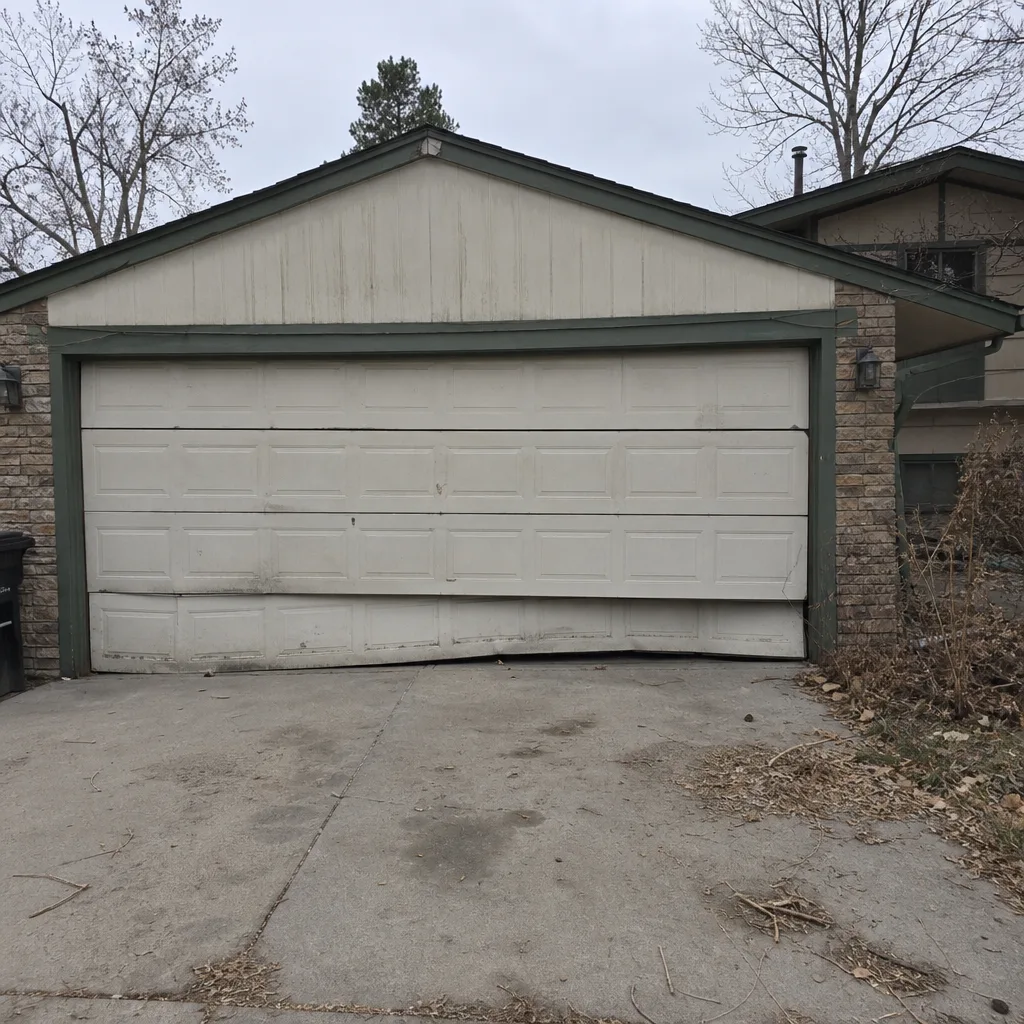 Before
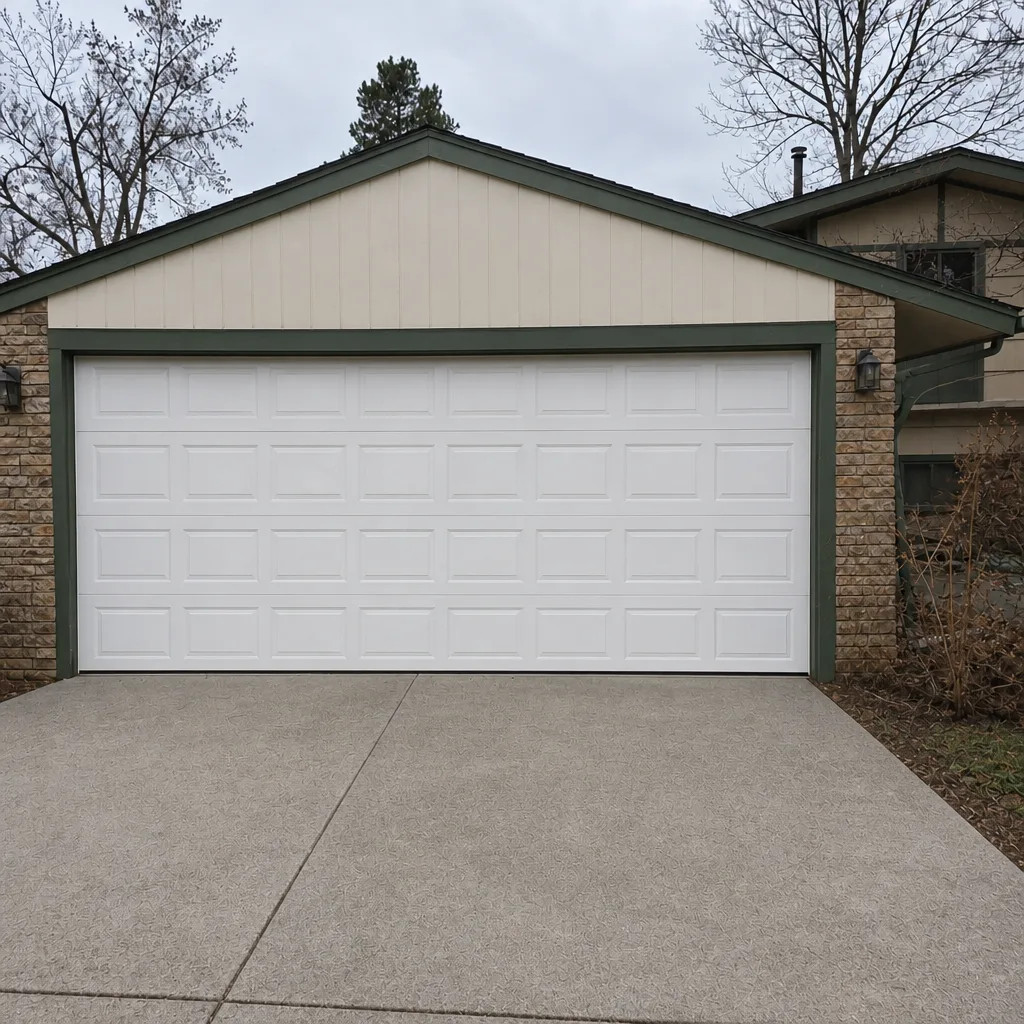 After
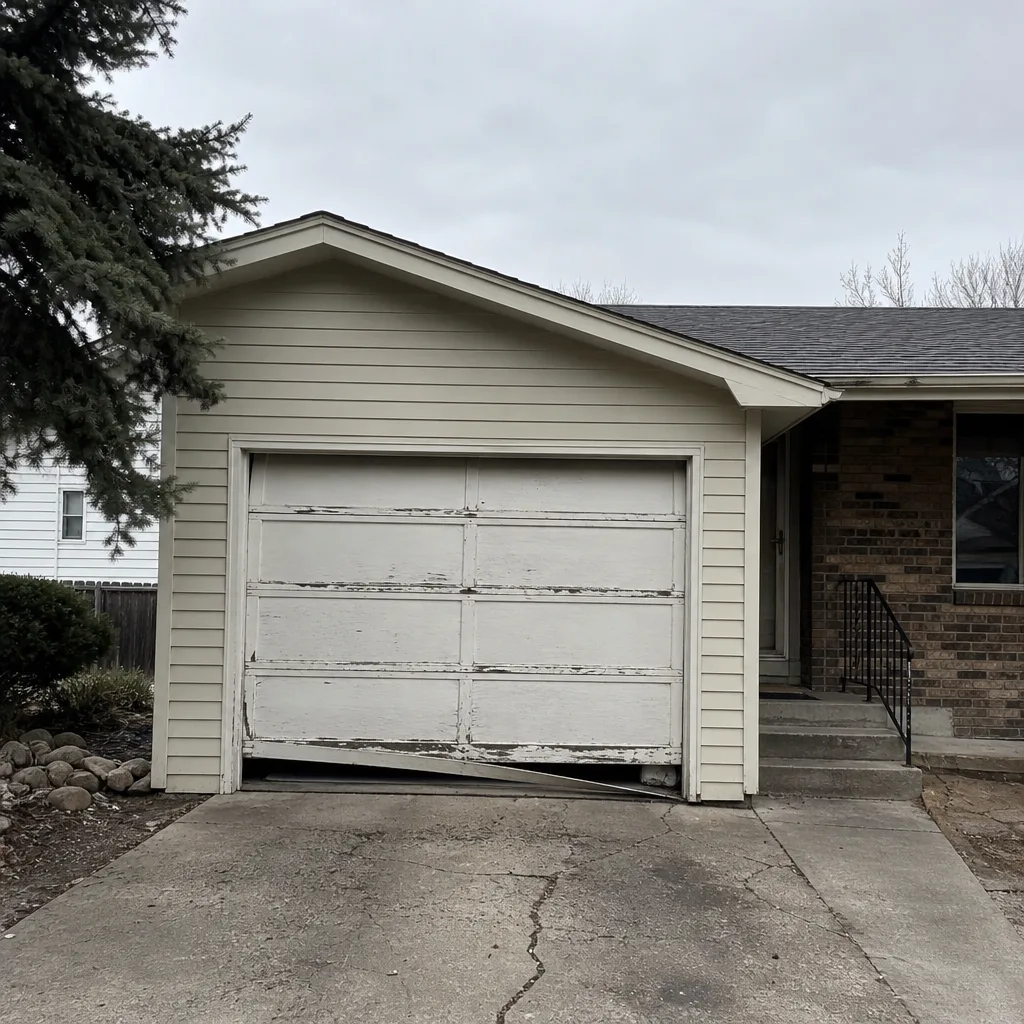 Before
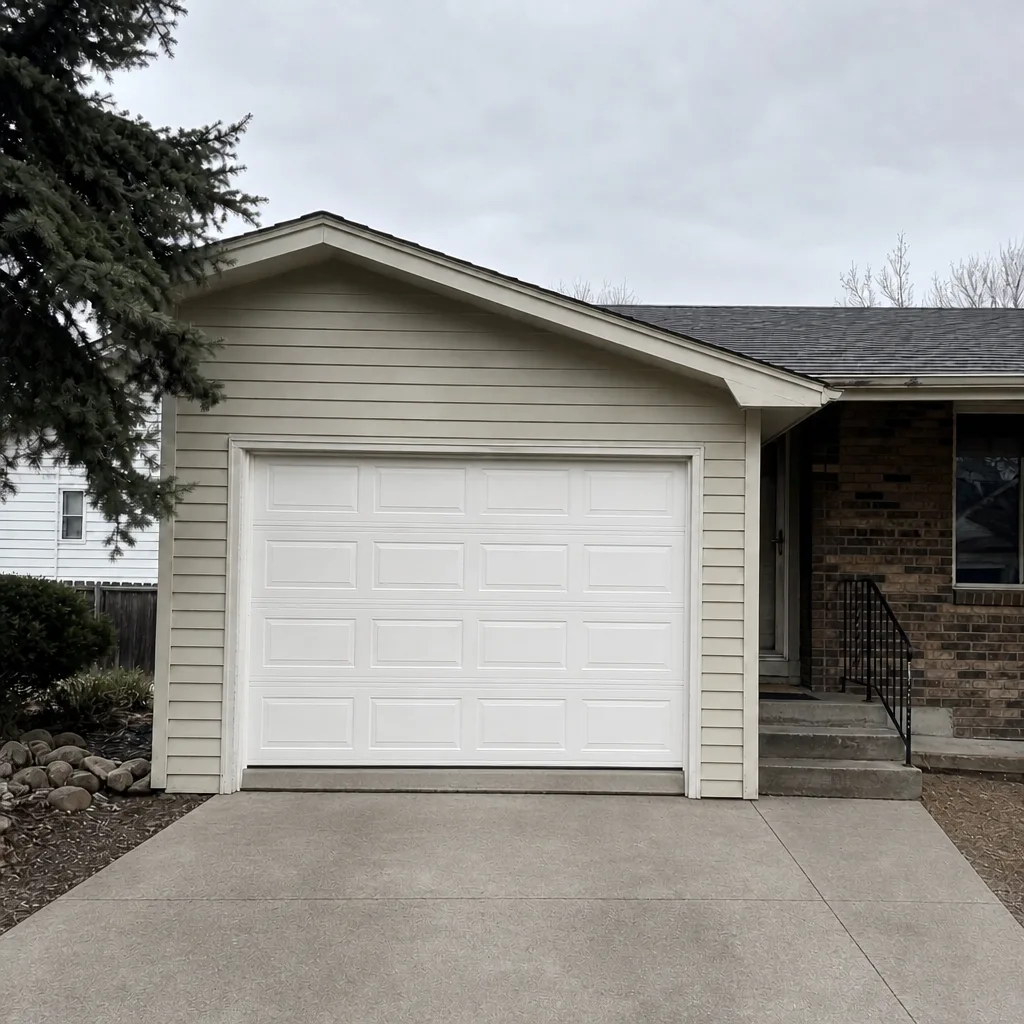 After
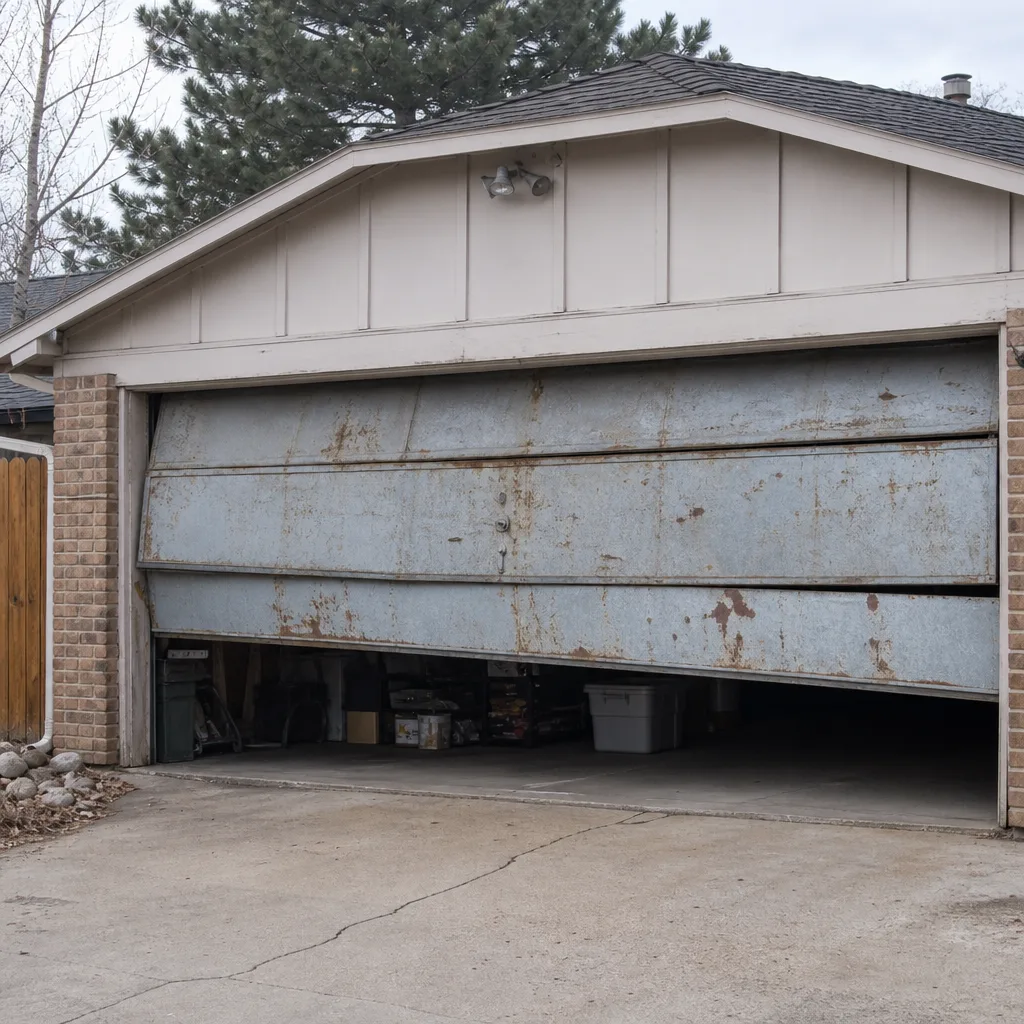 Before
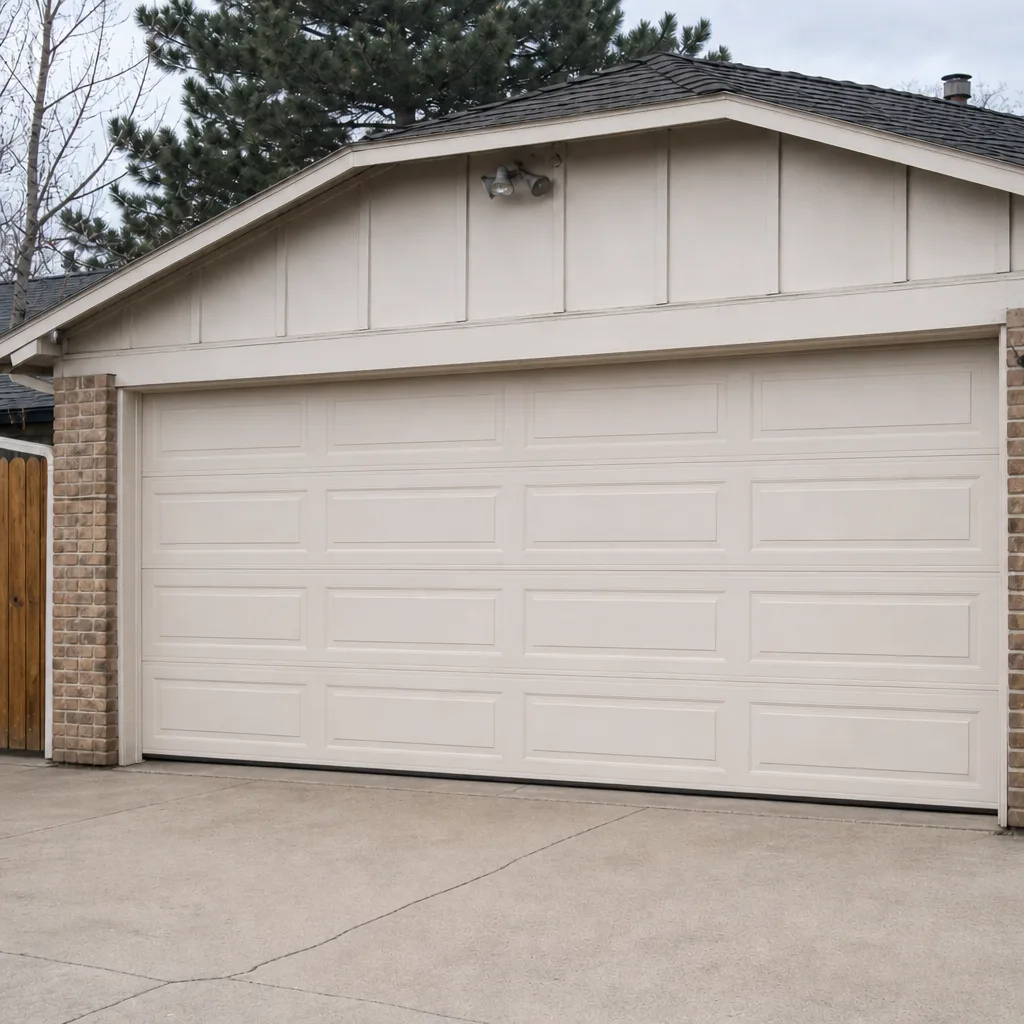 After
Frequently Asked Questions
Twice a year as a baseline: once after the spring thaw and once in early fall before the first freeze. Boulder’s freeze-thaw cycle and dry winters mean your door goes through more temperature cycling than in many other climates, so the twice-a-year schedule is a minimum, not an excess. A professional inspection once a year catches the spring and balance issues you can’t safely check yourself.
Usually it’s the lubricant. Cold weather thickens grease and makes rollers and hinges drag. If the door frees up as the day warms, the cause is lubrication, and a cold-rated silicone or lithium lubricant will fix it. If the door is slow and heavy regardless of temperature, or won’t stay up when tested, that’s a spring tension issue and needs a professional. Call (855) 694-6347 for a free estimate if you’re not sure which one you have.
The temperature swings that come with a chinook stress metal components and seals through repeated expansion and contraction, which is harder on a door than steady cold. Springs, tracks, and seals all flex during the swing and can develop wear faster than they would in a stable climate. Keeping the door closed during a swing reduces the stress on the interior and the seals.
Probably yes, and more often than the manufacturer’s general schedule suggests. Boulder’s altitude means more UV, and a south- or west-facing door takes the most of it. Check the finish each summer for chalking or fading. When the finish is chalky, it’s time for a new protective coat. Doors on the shaded side of a house generally last longer between repaints.
Yes, bottom seals and side weatherstripping are homeowner-doable, and it’s one of the most useful spring maintenance tasks in Boulder. The trick is getting the seal seated properly against the frame so it seals flush. If the seal isn’t sitting right, water gets in, freezes, and pushes the seal out again. If the door itself is out of alignment, have that fixed first; new weatherstripping won’t seal properly on a door that’s off its tracks.
No. Garage door springs are under high tension and can cause serious injury if they release unexpectedly. Never wind, cut, adjust, or remove a spring yourself. Visual inspection is fine: look for gaps, sagging, or a door that’s lost its balance. Everything beyond that belongs to a trained technician with the right winding tools. Visit Boulder Garage Door Repair Pros to book a spring inspection or call (855) 694-6347 for a free estimate.
The Bottom Line
Boulder’s garage door care calendar isn’t the standard four-season one. It’s spring thaw inspection, high-UV summer finish care, a short fall prep window with cold-rated lubricant, and winter attention to chinook-driven temperature swings. The two highest-value habits: inspect seals, tracks, and rollers after every thaw, and get your springs and balance professionally checked before the first freeze. Wood doors need their moisture cycle managed differently here than in humid climates. The rest is lubrication, cleaning, and finish upkeep. None of it is complicated, and most of it you can do yourself. The spring checks are the exceptions, and they’re the ones worth calling for. Call (855) 694-6347 for a free estimate, and we’ll tell you exactly what your door needs before any work begins.
Written by the team at Boulder Garage Door Repair Pros.