Last updated November 22, 2026
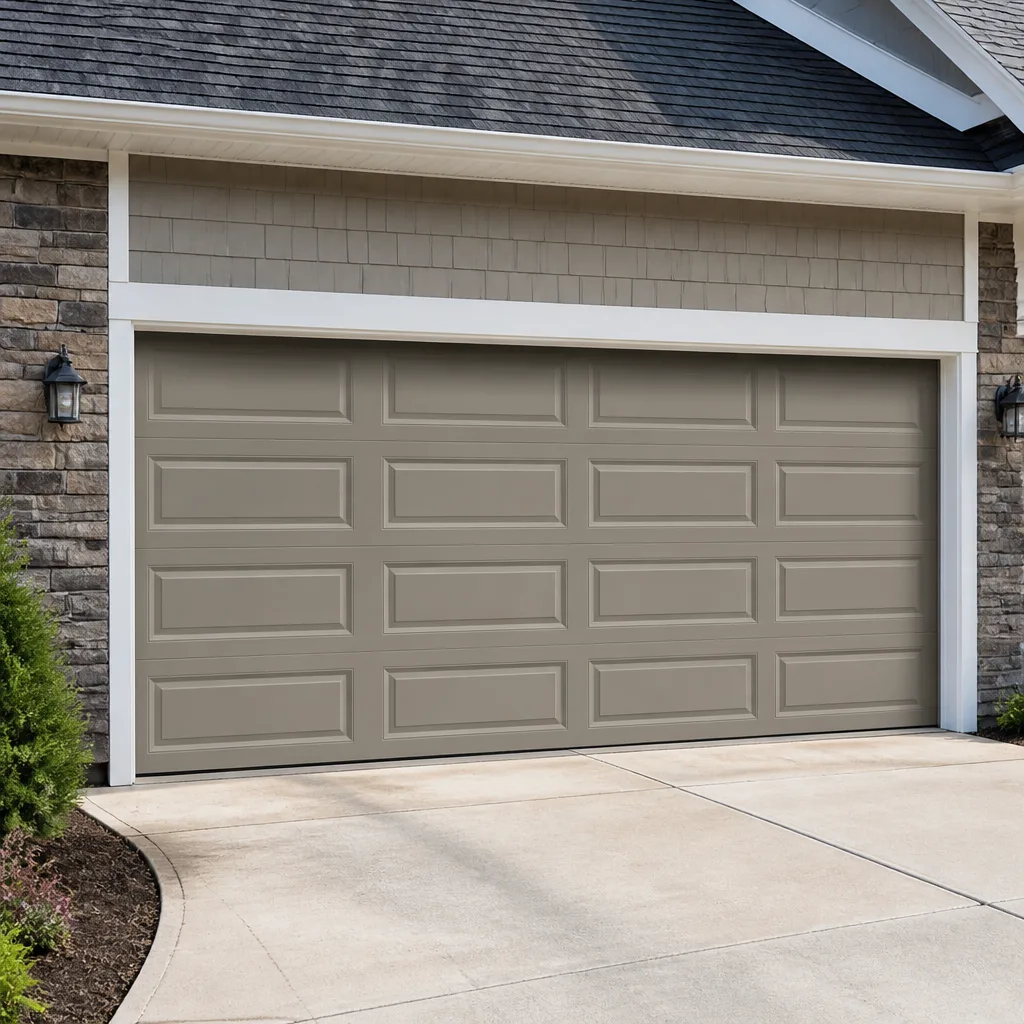 Raised-panel steel
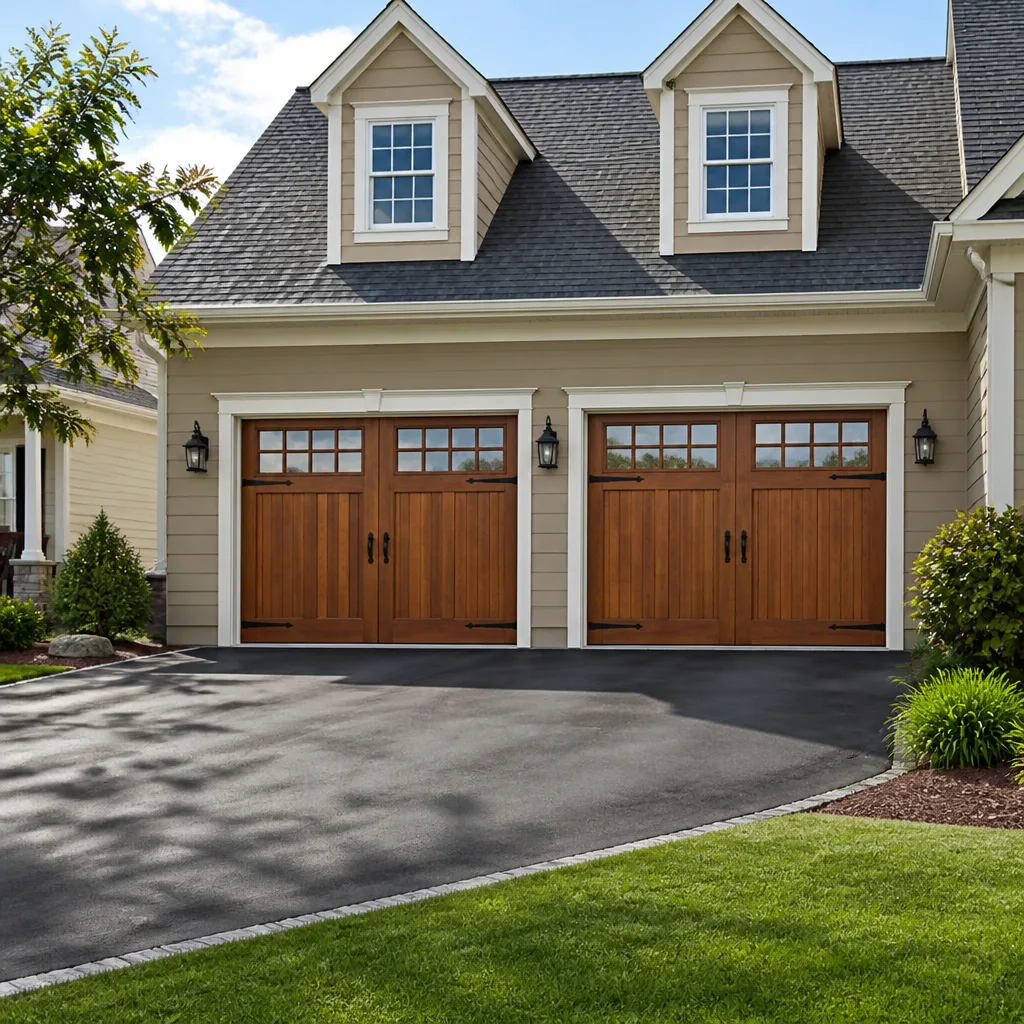 Carriage house
 Modern flush
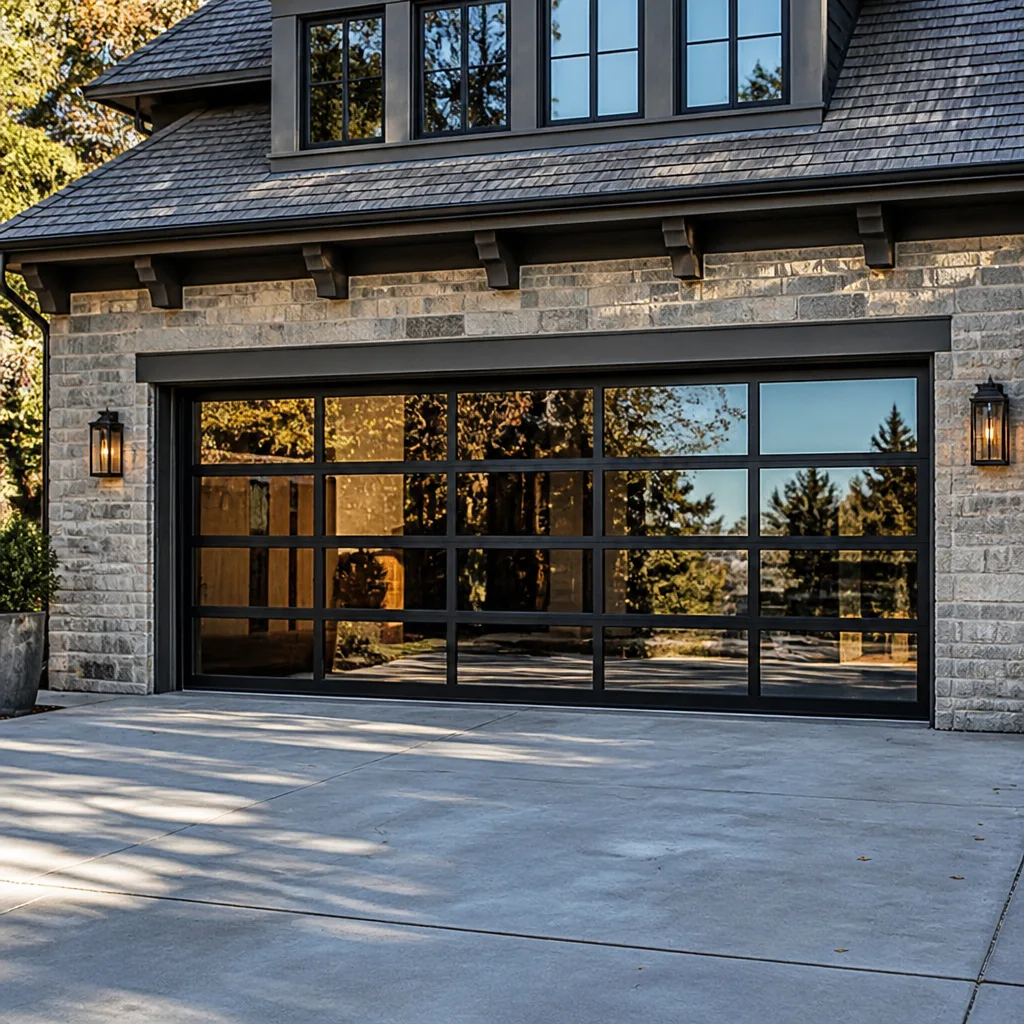 Full-view glass
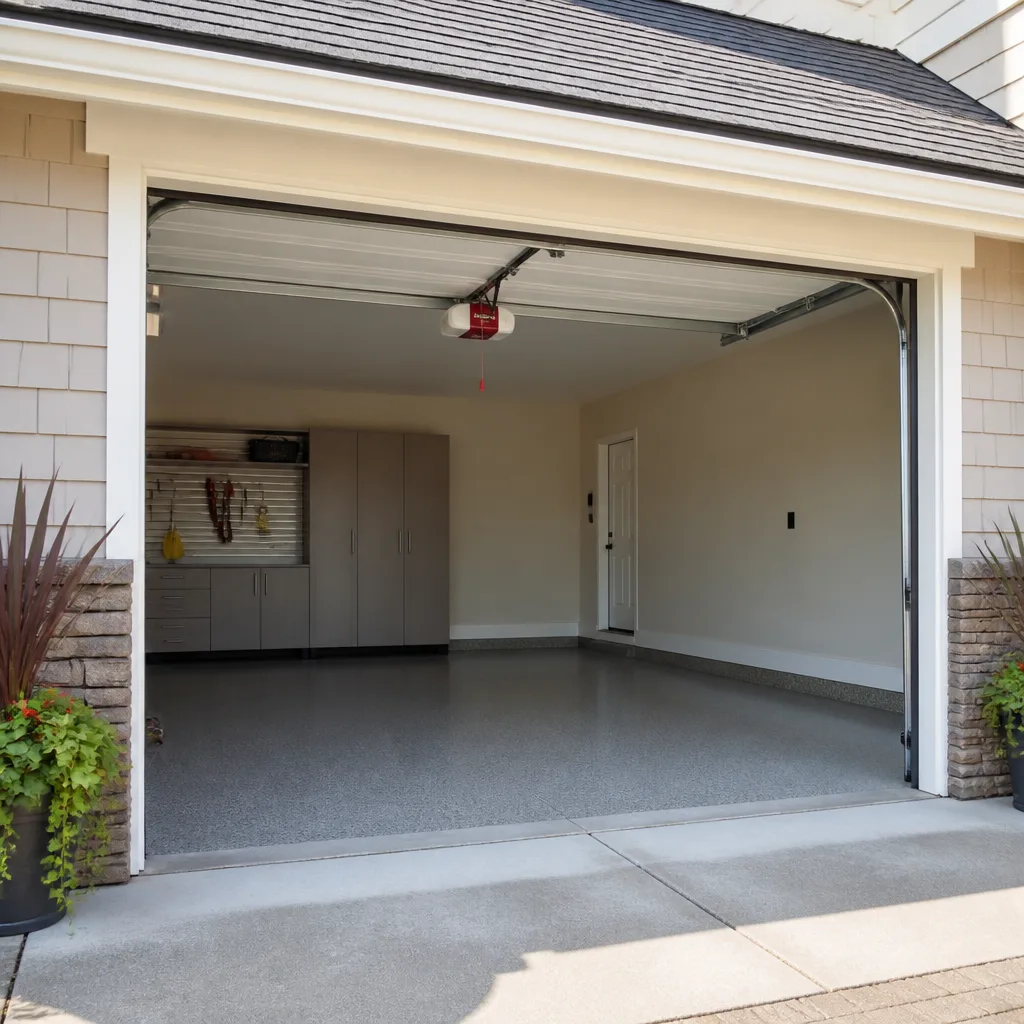 LiftMaster openers
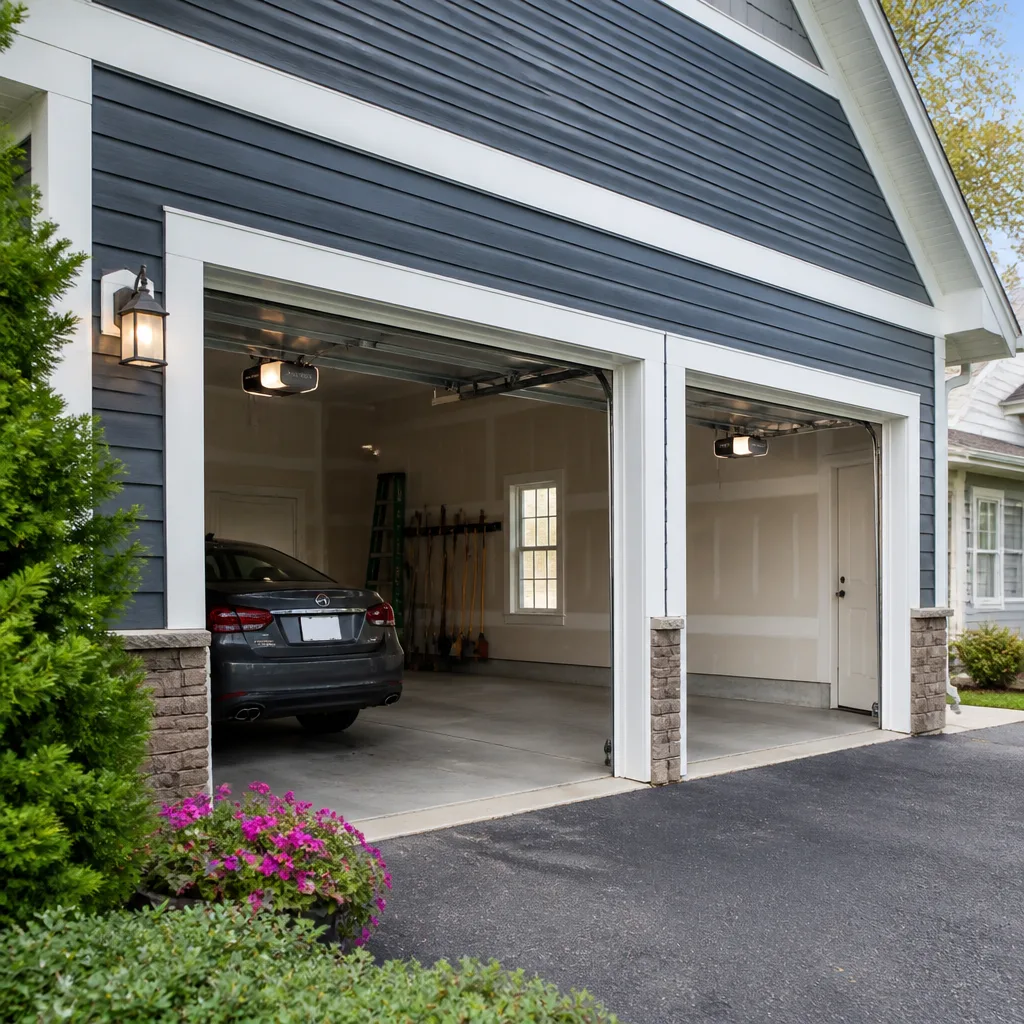 Chamberlain openers
Full 25-point door and opener safety check with every visit - springs, cables, rollers, tracks, and your LiftMaster or Chamberlain opener included
You get a price before we start. It does not change when the pro arrives.
Get your free estimateHow to Hire a Garage Door Contractor in Boulder: A Step-by-Step Guide
In Boulder’s tight trades market, “we do garage doors” on a website means almost nothing. The companies that show up first in a search are often general handymen or HVAC outfits that list garage doors as a side job, and the ones that actually specialize can be harder to spot from a homepage. The question that separates a specialist from a generalist is simple and rarely asked: what percentage of your weekly revenue comes exclusively from garage door work? This guide walks you through a vetting framework you can use before you ever pick up the phone, from checking a contractor’s registration online to structuring a written scope that protects you if parts fail. By the end, you’ll know how to hire a garage door specialist in Boulder who gets it right the first time.
Quick Answer
To hire a garage door contractor in Boulder, verify the contractor’s state registration and insurance online, confirm they list factory certifications for the door and opener brands they’ll be working on, insist on an in-person measurement before any written quote, and get a scope of work that names part numbers, spring specifications by door weight, and warranty terms. A legitimate specialist will answer brand and spring-sizing questions without hesitation and won’t pressure you to sign the same day.
Styles & brands we work with
- Raised-panel steel
- Carriage house
- Modern flush
- Full-view glass
- LiftMaster openers
- Chamberlain openers
Table of Contents
- The Five Red Flags Specific to Boulder’s Contractor Market
- What Licensing and Insurance Boulder Contractors Actually Need
- Why Brand Authorization Matters (and How to Check It)
- The Right Questions About Spring Sizing
- How to Structure a Written Scope of Work
- A Seven-Step Vetting Checklist
- The Walk-Away Signals to Take Seriously
The Five Red Flags Specific to Boulder’s Contractor Market
Boulder has an unusually crowded contractor landscape: a large base of general handymen, remodelers, and HVAC companies that all list garage door work as a secondary service. That density means the usual “check for reviews and a phone number” advice doesn’t filter hard enough. Here are the five warning signs we’ve seen repeatedly when homeowners ask us to fix a job someone else started.
- No physical address. Not every garage door company needs a showroom, but a legitimate contractor should have a verifiable business location or registered agent. If the website lists only a phone number and a contact form, ask for a business address. A contractor who can’t or won’t provide one is telling you something important.
- No brand certifications listed. A specialist will name the door and opener brands they’re trained on, because that’s their edge. A generalist will write “we work on all major brands,” which is a way of saying they don’t have an actual relationship with any of them. Clopay and Amarr, for example, each run their own installer programs, and a company that hasn’t bothered to enroll probably hasn’t bothered to train on the specific install procedures either.
- Quotes given without an in-person measurement. A phone quote for a spring replacement or new door install is a guess dressed up as a price. Doors vary in weight, thickness, insulation, and counterbalance system. A contractor who quotes without measuring is either inflating the number to protect themselves or lowballing to win the job and will find “additional issues” once they arrive.
- Unusually low spring replacement pricing. Springs are the most commonly botched repair in this trade. A dirt-cheap spring quote often means one of two things: a used or undersized spring, or a spring sourced from a batch with no traceable manufacturer. Cheap is expensive when the door comes back out of balance a few months later.
- Pressure to decide the same day. Urgency is legitimate when a door is stuck open in the cold or a spring has failed. Urgency as a sales tactic (“this pricing is only good if you sign today”) is not. A specialist with a real backlog doesn’t need to corner you.
What Licensing and Insurance Boulder Contractors Actually Need
Garage door work touches structural fasteners, high-tension springs, and electrical connections at the opener, so the contractor you hire needs both general liability and workers’ compensation coverage. In Colorado, general contractors and specialty contractors are registered through the state, and some municipalities layer on their own licensing requirements. Boulder County and the City of Boulder each have their own permitting processes for structural changes, so if the job involves modifying a header or reframing an opening, ask the contractor whether a permit is required and who pulls it. The simplest path is to call Boulder’s building department directly and ask whether a permit is needed for your specific scope.
To verify a contractor’s credentials in about two minutes:
- Ask for their state contractor registration number and their certificate of insurance.
- Search the number on Colorado’s contractor registration database to confirm it’s active and hasn’t lapsed.
- Call the insurance carrier listed on the certificate (not the contractor) and confirm the policy is current and covers garage door work.
- Ask for a certificate of workers’ compensation coverage if they employ anyone other than the owner.
A contractor who hesitates on any of these steps is one you should walk away from. The good ones hand over the paperwork without blinking, because they know that a homeowner who’s done two minutes of verification is a homeowner who’s likely to hire them.
Why Brand Authorization Matters (and How to Check It)
Garage door and opener manufacturers run their own installer certification programs, and those programs exist for a reason: each brand has its own design quirks, torque specifications, and warranty requirements. A contractor who’s factory-certified for LiftMaster or Chamberlain knows how those openers handle logic board diagnostics, how their safety sensors are calibrated, and what the warranty actually covers. A generalist working on a Genie or Craftsman opener for the first time is learning on your door.
Here’s how to check before you commit:
- Ask the contractor directly which brands they’re factory-certified for, and write down the names. Vague answers (“we work on everything”) are a red flag.
- Look up the manufacturer’s dealer or installer locator on the brand’s own website. Most major brands list certified installers publicly.
- Ask whether the warranty on a new door or opener is registered in your name or the contractor’s. If it’s in the contractor’s, you may lose coverage when you move.
- If your existing door is a Clopay or Amarr, ask whether the contractor has installed that specific model or line before. Mismatched panels are a common problem when a contractor substitutes a “similar” model for a discontinued one.
At Boulder Garage Door Repair Pros, we work on your brand, whatever it is. We service and repair LiftMaster, Chamberlain, Genie, Clopay, Amarr, Wayne Dalton, Craftsman, and Raynor products. That breadth matters less than the fact that it’s the only thing we do.
The Right Questions About Spring Sizing
Spring replacement is the single repair that most clearly separates a specialist from a generalist, and the questions to ask are specific. A competent contractor will size a new torsion spring based on door weight, not door width or door size. That’s the tell. If a contractor quotes you a spring by measuring the width of the door and picking a standard spring, they’re guessing, and the door will be out of balance, will wear the opener prematurely, or will fail again soon.
The right questions to ask:
- Are you replacing the spring as a matched pair, or just the broken one? Springs on the same door wear at the same rate, so a competent contractor will recommend a pair. A pair costs roughly twice a single spring, which is the honest answer to a question many companies dodge.
- How will you measure the door weight? The correct answer involves weighing the door or calculating it from the door’s actual construction, not eyeballing it.
- What’s the cycle rating on the replacement spring? Standard springs are rated for a certain number of open/close cycles, and higher-cycle springs are available. Ask what you’re getting and why.
- Will you calibrate the opener after the spring replacement? A new spring changes how much force the opener needs to apply. If the contractor doesn’t recalibrate, the opener will labor and wear faster.
If spring work is on your list, our garage door spring repair page covers what the job actually involves and why it isn’t a DIY project. High-tension torsion springs store a dangerous amount of energy, and the injuries that come from improper spring work are serious and avoidable. Leave it to trained hands with the right winding bars.
How to Structure a Written Scope of Work
A verbal agreement on a garage door job is worth about as much as the paper it’s not written on. Your written scope should protect you on four fronts: parts, labor, code compliance, and warranty. Here’s what to insist on before signing.
- Parts with model numbers. Every spring, roller, hinge, opener, and panel should be listed by make and model, not by generic description. “Torsion spring, .243 wire, 2-inch ID, 32-inch length” is a scope; “new spring” is not.
- Labor defined by task. Remove old spring, install new spring pair, balance door, calibrate opener, test safety reverse. Each line should be written out so there’s no ambiguity about what’s covered.
- Code compliance clause. The scope should state that the installation will meet current code and that the contractor is responsible for any permit required. If the job involves electrical work at the opener, confirm the contractor will handle it or has a licensed electrician on the job.
- Warranty terms, in writing. Labor warranty length, parts warranty length, and what voids each. If the manufacturer’s warranty requires professional installation, get that stated in the scope, because a DIY install or a non-certified installer may void it entirely.
- Payment terms. A deposit is normal on a full door install. Full payment upfront on a repair is not. Ask what the payment schedule is and get it in writing.
The written estimate is the price. If a contractor’s quote changes once the door is apart, that’s a legitimate conversation to have, but it should be a conversation, not an invoice. Before any work starts, the price should be quoted and agreed, and any change in scope should be approved by you in writing.
A Seven-Step Vetting Checklist
Here’s the framework, in order, from first search to signed scope. Each step filters out a category of contractor who shouldn’t be on your door.
- Confirm the company is a garage door specialist. Ask what percentage of their weekly revenue comes exclusively from garage door work. A specialist will answer without flinching; a generalist will pivot.
- Verify state registration and insurance. Two minutes online, as described above.
- Check brand certifications. Ask which brands they’re factory-trained on and confirm through the manufacturer’s installer locator.
- Request an in-person measurement. Nobody quotes a garage door repair or install from a photo. If they try, they’re guessing.
- Ask the spring-sizing questions. Door weight, cycle rating, pair replacement, opener recalibration.
- Get a written scope of work. Parts by model number, labor by task, code compliance, warranty, payment terms.
- Compare two or three quotes on scope, not just price. The cheapest quote on a narrower scope isn’t actually cheaper.
If your door has failed and you need garage door repair today, the vetting still applies, but it happens faster. Same-day service is a core offering for a specialist, not an upsell, and the questions you ask on the phone should still be the same questions.
The Walk-Away Signals to Take Seriously
Some signs are worth ending the conversation over, no matter how good the price looks.
- Refusal to provide a written estimate before work starts. Even on an emergency call, a responsible contractor will quote and agree the price before they touch the door.
- Pressure to bundle a new door with a repair. Sometimes a repair honestly isn’t worth doing, and a good contractor will tell you so. But the recommendation should come with a written explanation, not a sales pitch.
- No warranty in writing. If a spring fails inside its cycle rating, you need a paper trail.
- Cash-only, no receipt. You want a paper trail on the parts and the labor for warranty purposes.
- No interest in seeing the door. Nobody can quote a garage door job accurately without looking at it.
If your opener is the issue rather than the door, our garage door opener repair page walks through how opener diagnostics actually work and what a fair quote looks like. Openers from LiftMaster, Chamberlain, and Genie each have their own diagnostic patterns, and a specialist will recognize yours quickly.
Common Mistakes to Avoid
- Hiring on price alone. The cheapest spring quote in Boulder is rarely the correct one. A spring that’s undersized for the door weight will fail early and may take the opener with it.
- Skipping the insurance verification. If a contractor isn’t properly insured and someone gets hurt on the job, the liability exposure can come back to the homeowner. Two minutes on the phone with the insurance carrier prevents this.
- Letting a generalist work on a branded opener. Craftsman and LiftMaster openers have specific safety reverse calibrations and logic board patterns. A generalist may get the door up, but the safety reverse may not be correct.
- Accepting a phone quote for a door install. New door installs require measurement, header verification, and a discussion of spring and track configuration. A phone quote is a placeholder, and it will change once the door is measured.
- Not checking the permit requirement. If the job involves structural changes at the opening, Boulder’s building department should be consulted. Ask the contractor who pulls the permit and confirm it in writing.
- Replacing a single spring instead of a pair. Mismatched springs throw the door out of balance and wear the opener. If the door is more than a few years old, the pair should usually be replaced together.
- Ignoring the opening as a weak point. A door that’s working correctly but has gaps at the sides lets cold air and moisture in. Ask the contractor to check the weather seal and bottom threshold while they’re there.
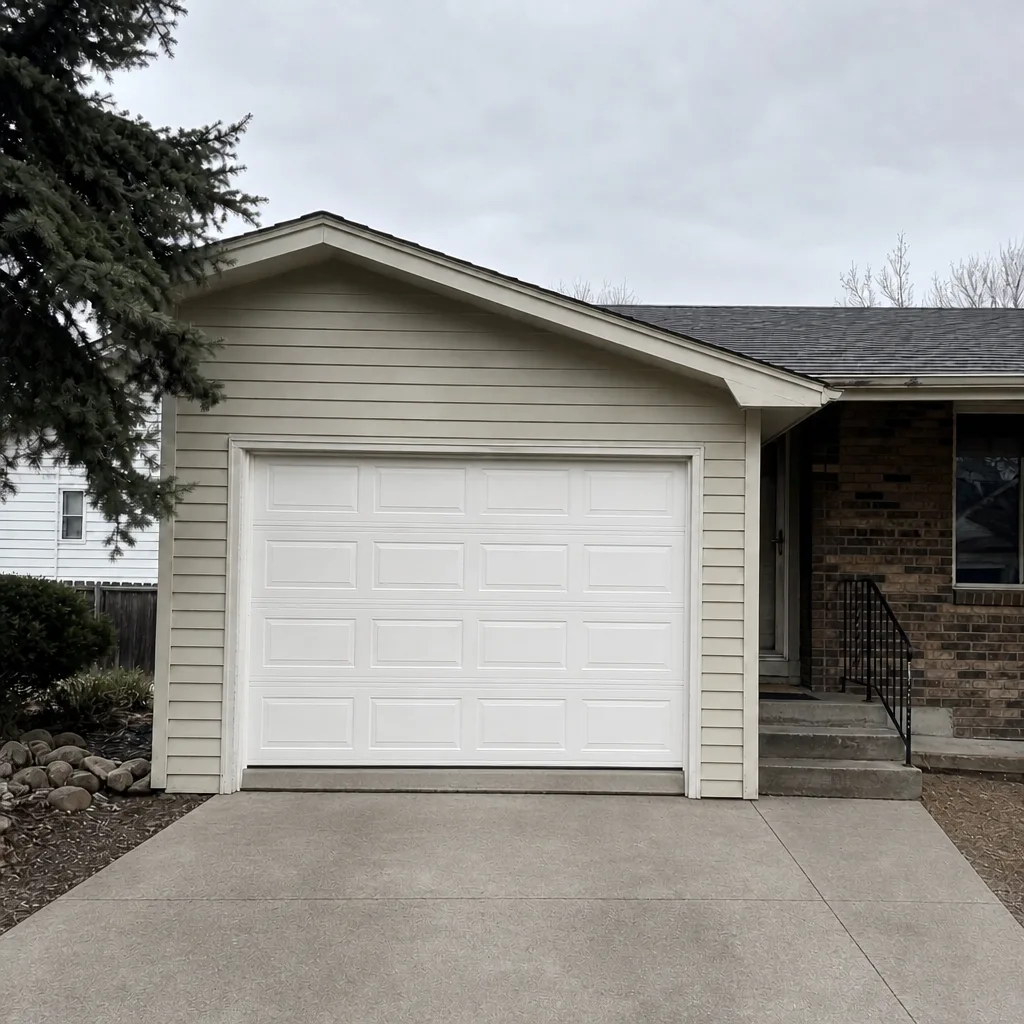
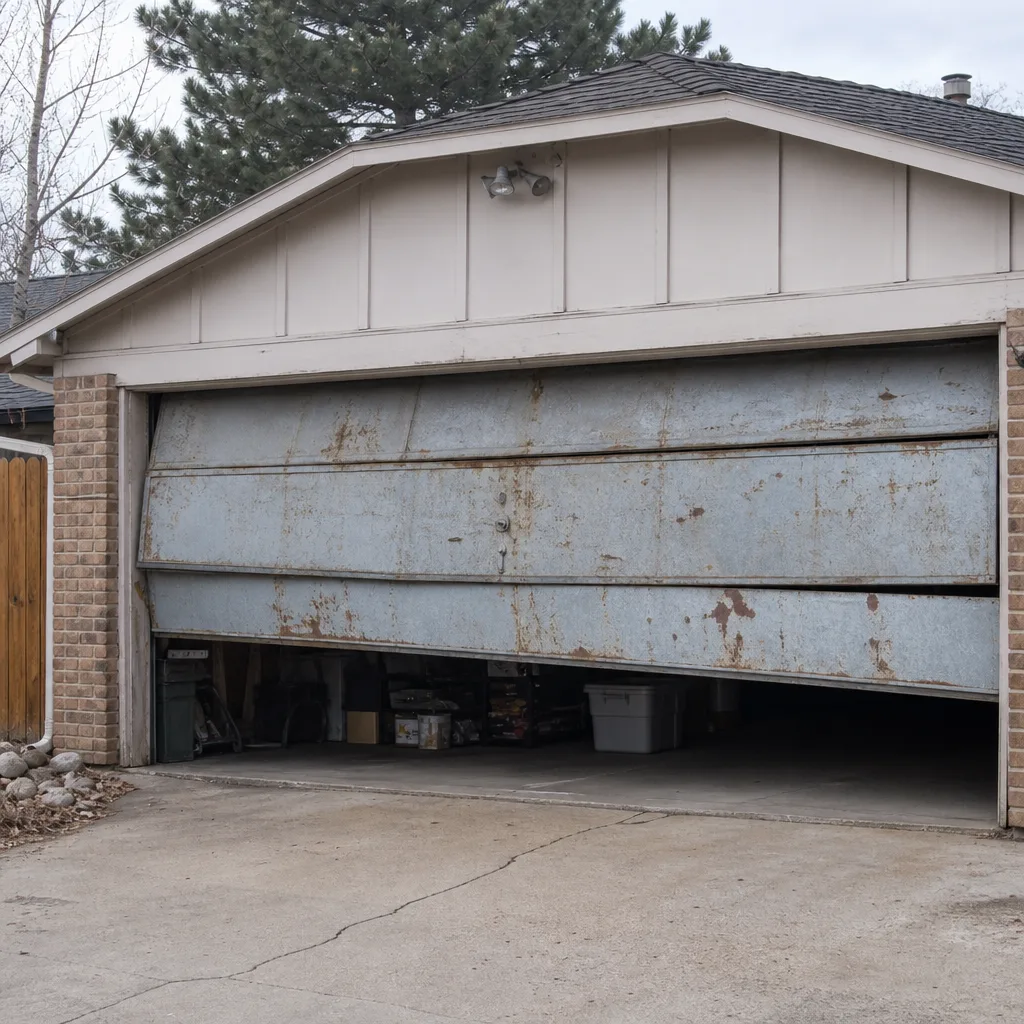
See the difference
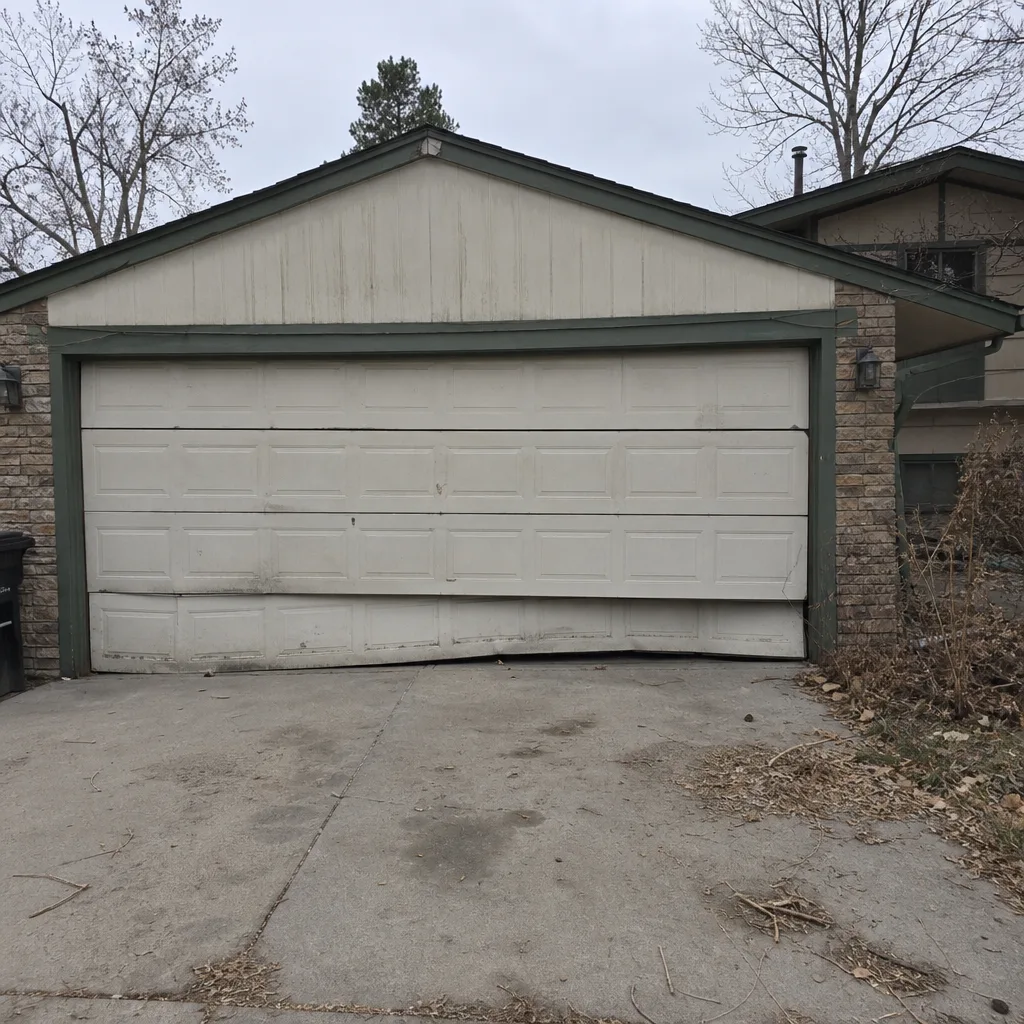 Before
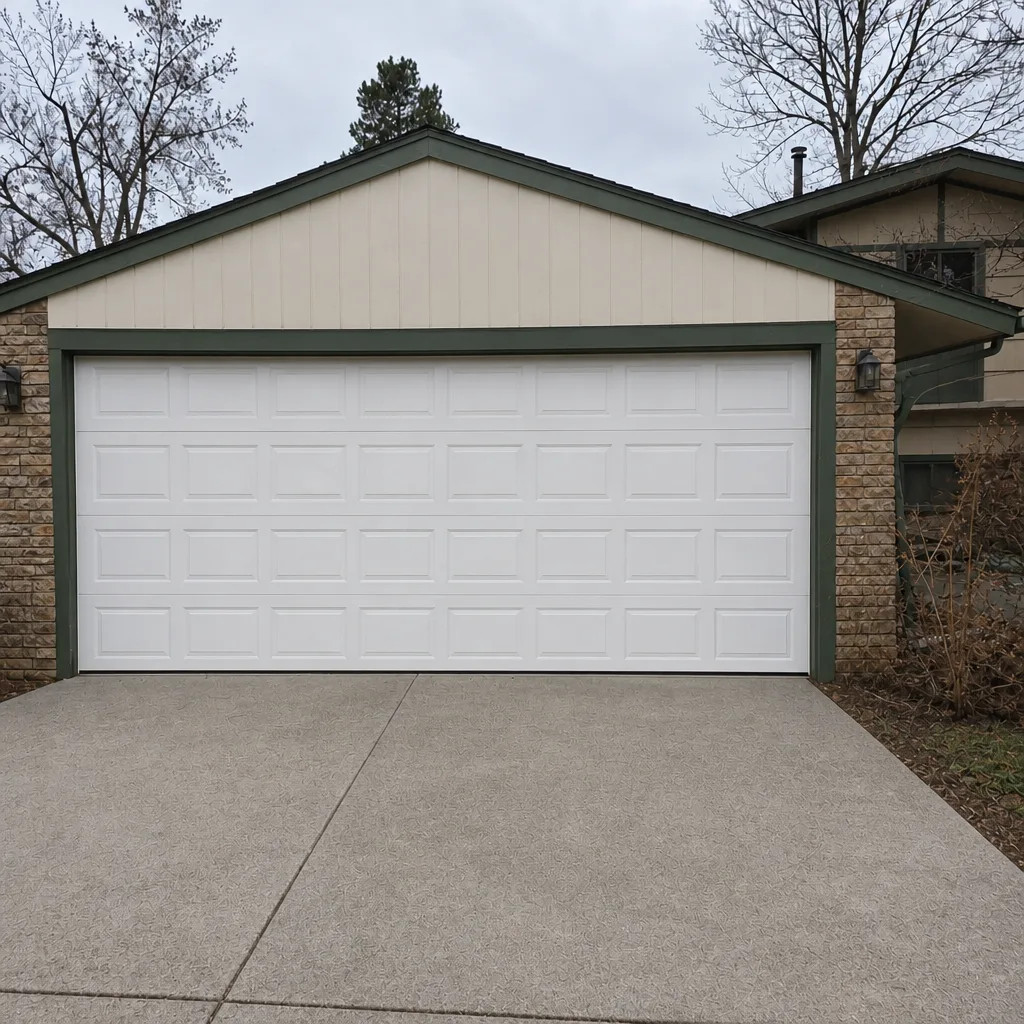 After
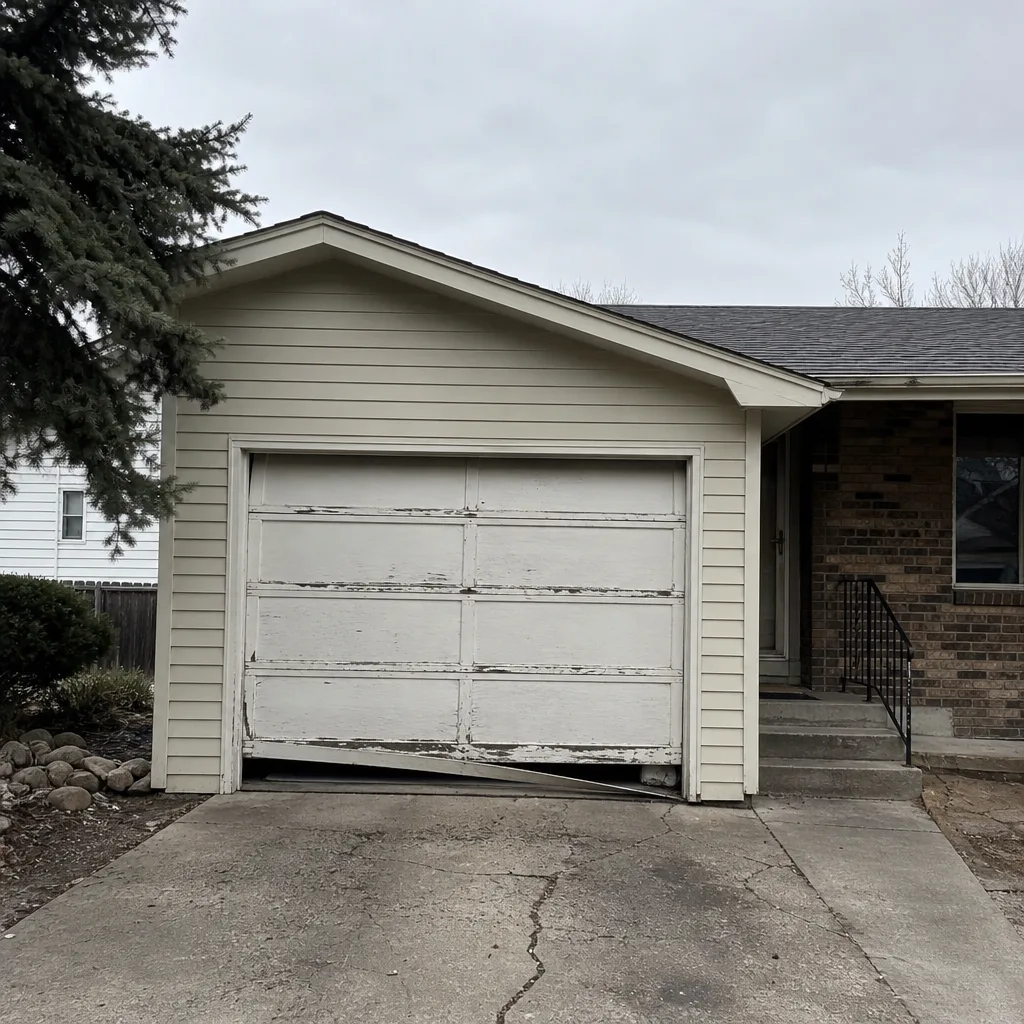 Before
 After
 Before
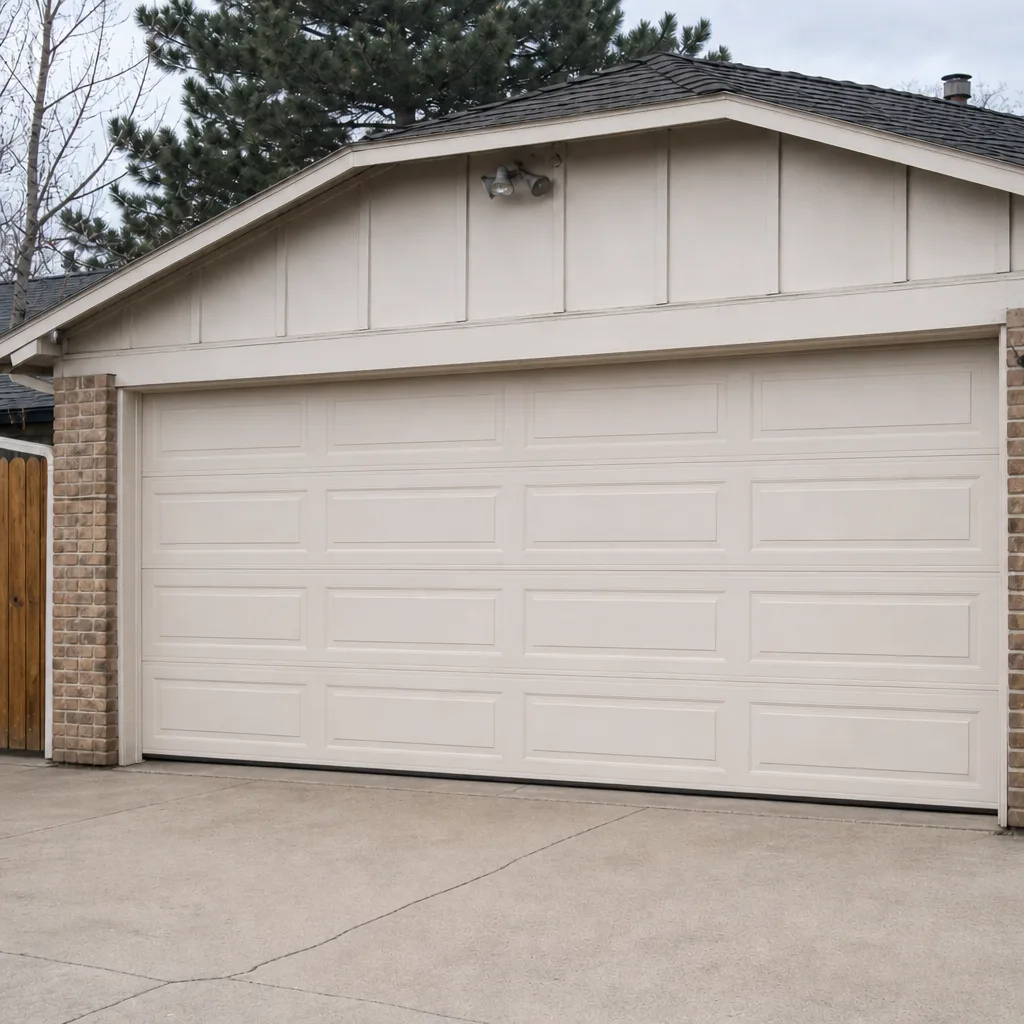 After
When to Call a Professional
Some garage door problems are genuinely fixable by a homeowner with a screwdriver and an afternoon. A noisy roller or a misaligned photo-eye is one thing. But a broken torsion spring, a door that’s come off its track, a snapped cable, or an opener that’s tripping the breaker all involve real hazards: high-tension energy, electrical work, or a door that could fall. In our experience, the repairs that turn into bigger jobs are the ones where the homeowner started the work and then called a specialist after something went sideways. If you’re not sure, call. Boulder Garage Door Repair Pros offers free estimates in Boulder, and you can reach us at (855) 694-6347. Our technicians have up to 11 years of experience, and we can walk you through what the fix likely involves before you commit.
Frequently Asked Questions
Typical spring replacement in the Boulder area falls in the range of a couple hundred dollars for a single spring, and roughly double that for a matched pair, which is what most doors need. The written estimate sets the final price, and the quote should reference the door’s weight and the cycle rating on the replacement spring, not just the door width. Call (855) 694-6347 for an exact quote. Estimates are free.
Yes. Colorado registers contractors at the state level, and Boulder’s building department may add local requirements for structural work. Ask for the state registration number and the certificate of insurance, then verify both independently: search the number on the state database and call the insurance carrier directly to confirm the policy is active.
They can, but the results usually show. Spring sizing, opener calibration, and door balance all require specific training, and the most common failure we see on jobs started by generalists is a mismatched or undersized spring that throws the door out of balance and wears the opener. Manufacturers’ warranties often require professional installation, so a handyman install can also void coverage.
Ask them directly which brands they’re factory-certified for, then confirm through the manufacturer’s own installer or dealer locator. Most major brands list certified installers publicly. If the contractor can’t name the brands they’re certified for, treat that as a red flag, especially for Clopay, Amarr, LiftMaster, and Chamberlain products.
A written scope should list each part by make and model, define labor by task, state that the installation will meet code and who pulls any required permit, spell out labor and parts warranties and what voids them, and lay out the payment schedule. The price is quoted and agreed before work starts, and any change in scope should be approved by you in writing.
It depends on the scope. A straight door swap on an existing opening often doesn’t require a permit, but if the job involves structural changes at the header or reframing, one likely will. The only reliable answer comes from Boulder’s building department, so ask the contractor whether a permit applies to your specific job and confirm it with the city directly.
The Bottom Line
Hiring a garage door contractor in Boulder comes down to filtering for genuine specialists before the first phone call. Ask what percentage of their revenue is garage door work, verify registration and insurance in two minutes, check brand certifications through the manufacturer, insist on an in-person measurement, and hold out for a written scope that names parts by model number and defines warranty terms. From a broken spring to a full new door, the contractor who can answer the spring-sizing questions and produce the paperwork without hesitation is the one worth hiring. Call (855) 694-6347 for a free estimate.
Written by the team at Boulder Garage Door Repair Pros.