Last updated November 22, 2026
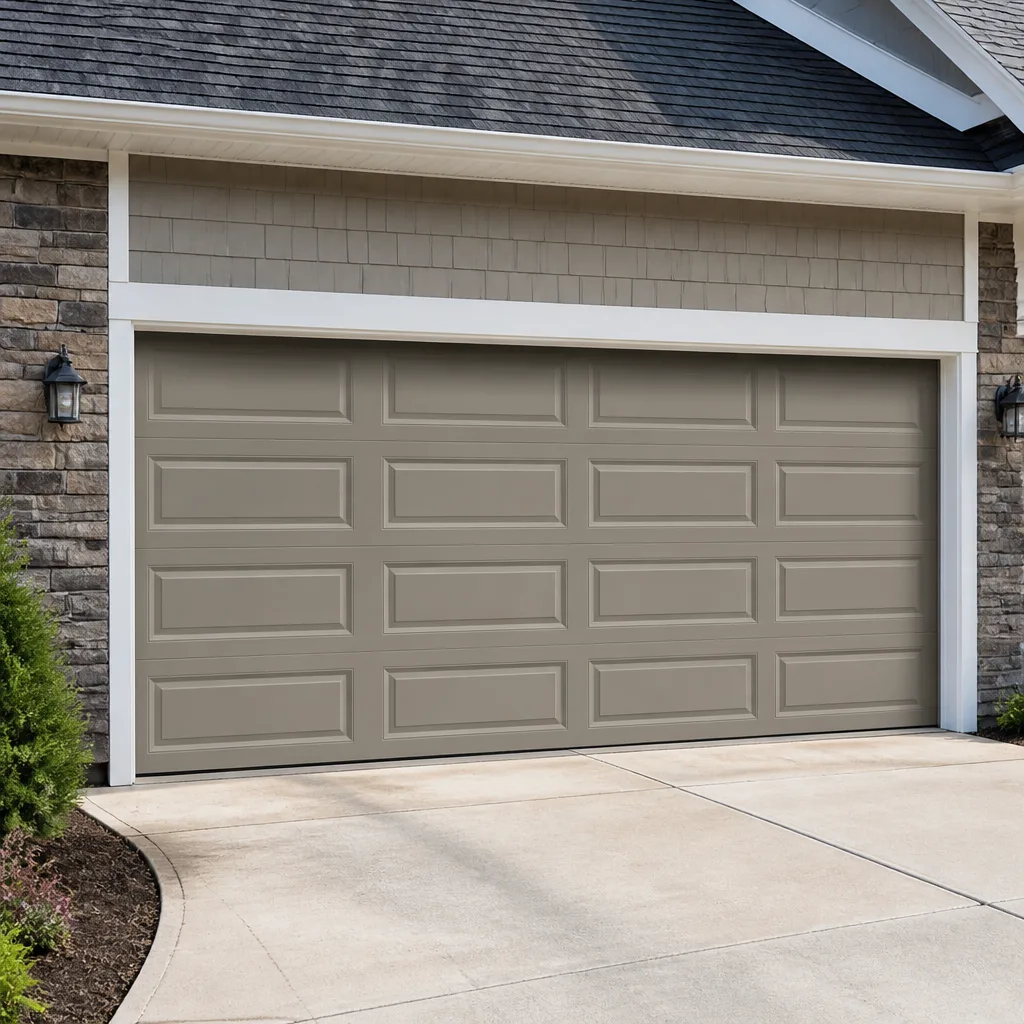 Raised-panel steel
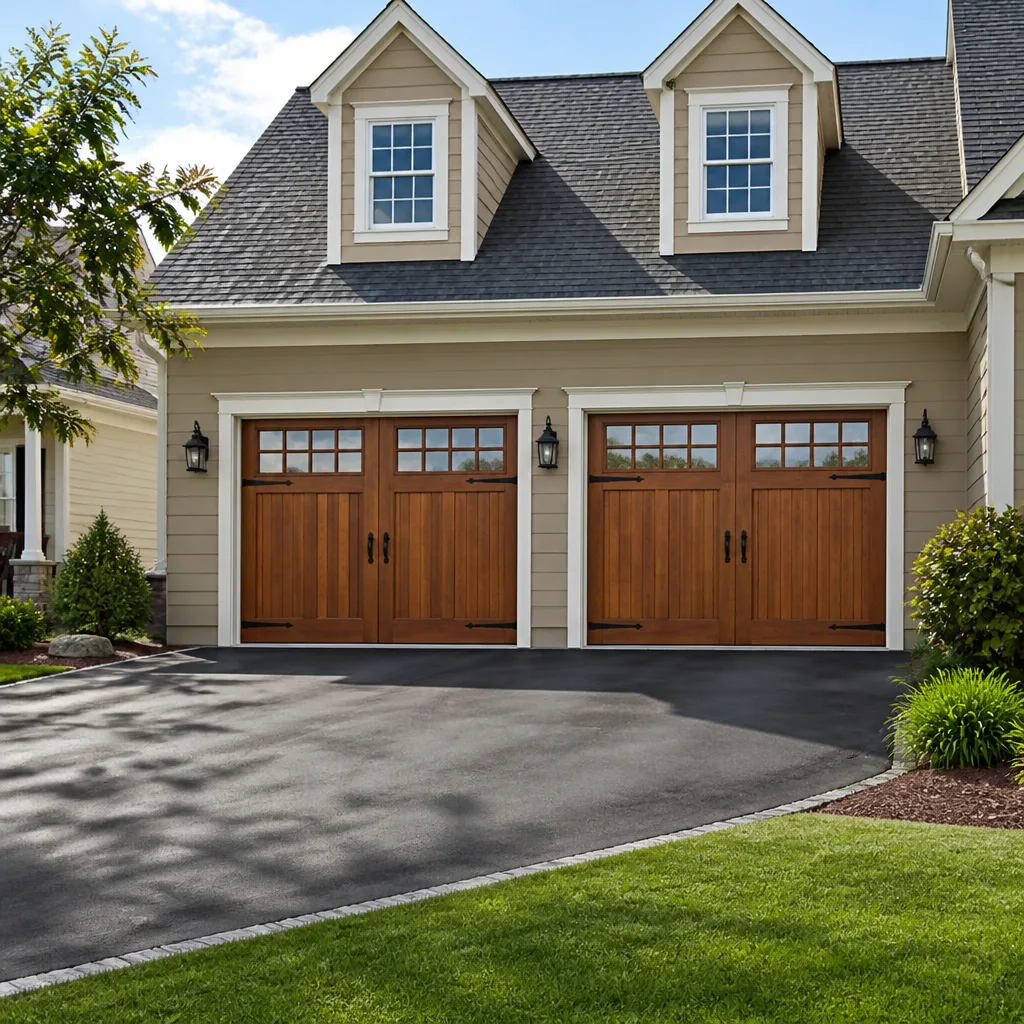 Carriage house
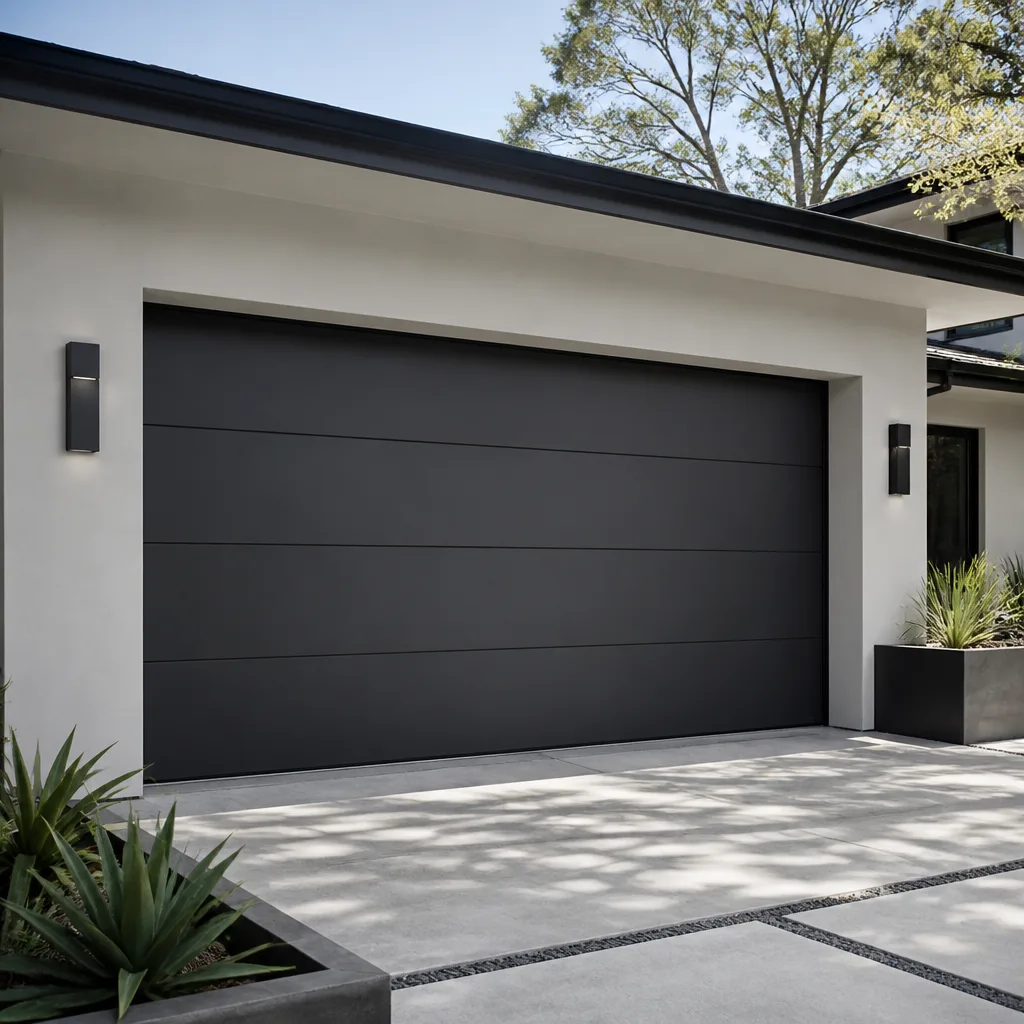 Modern flush
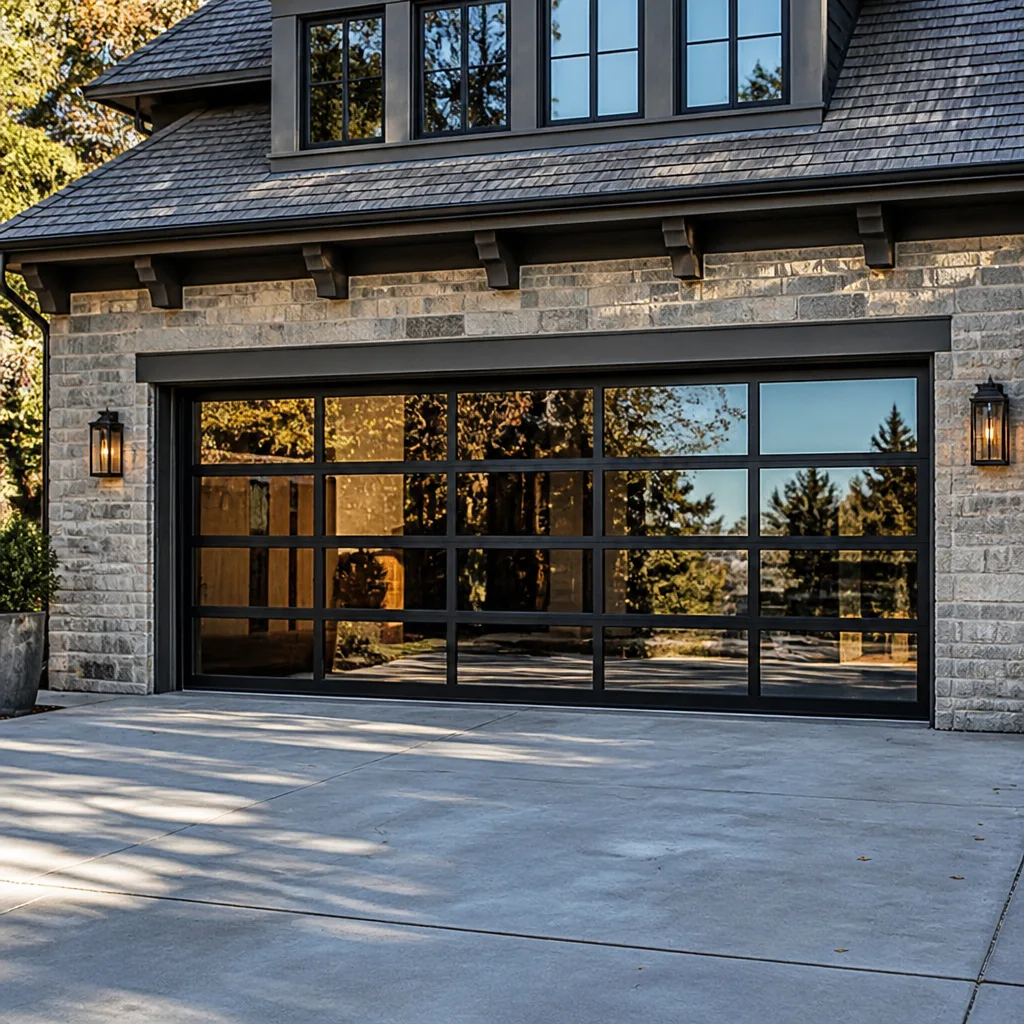 Full-view glass
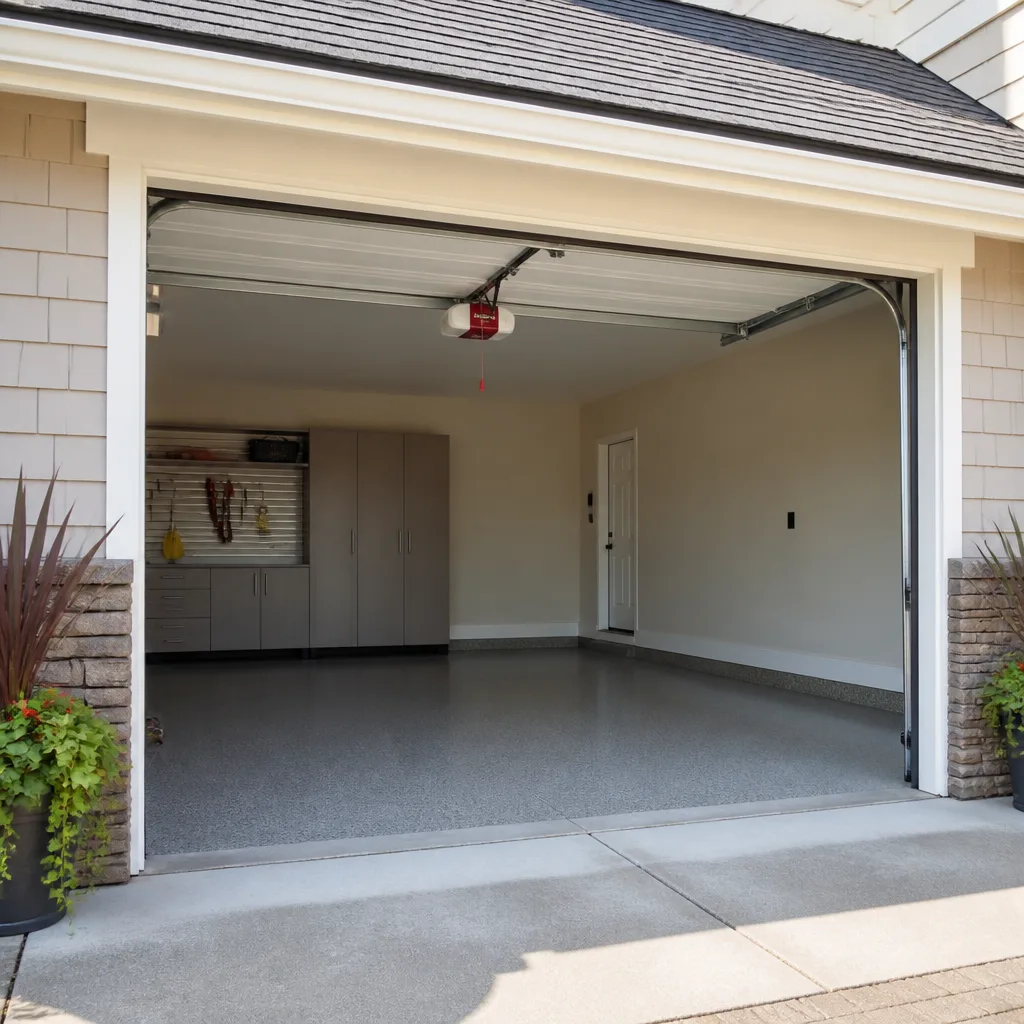 LiftMaster openers
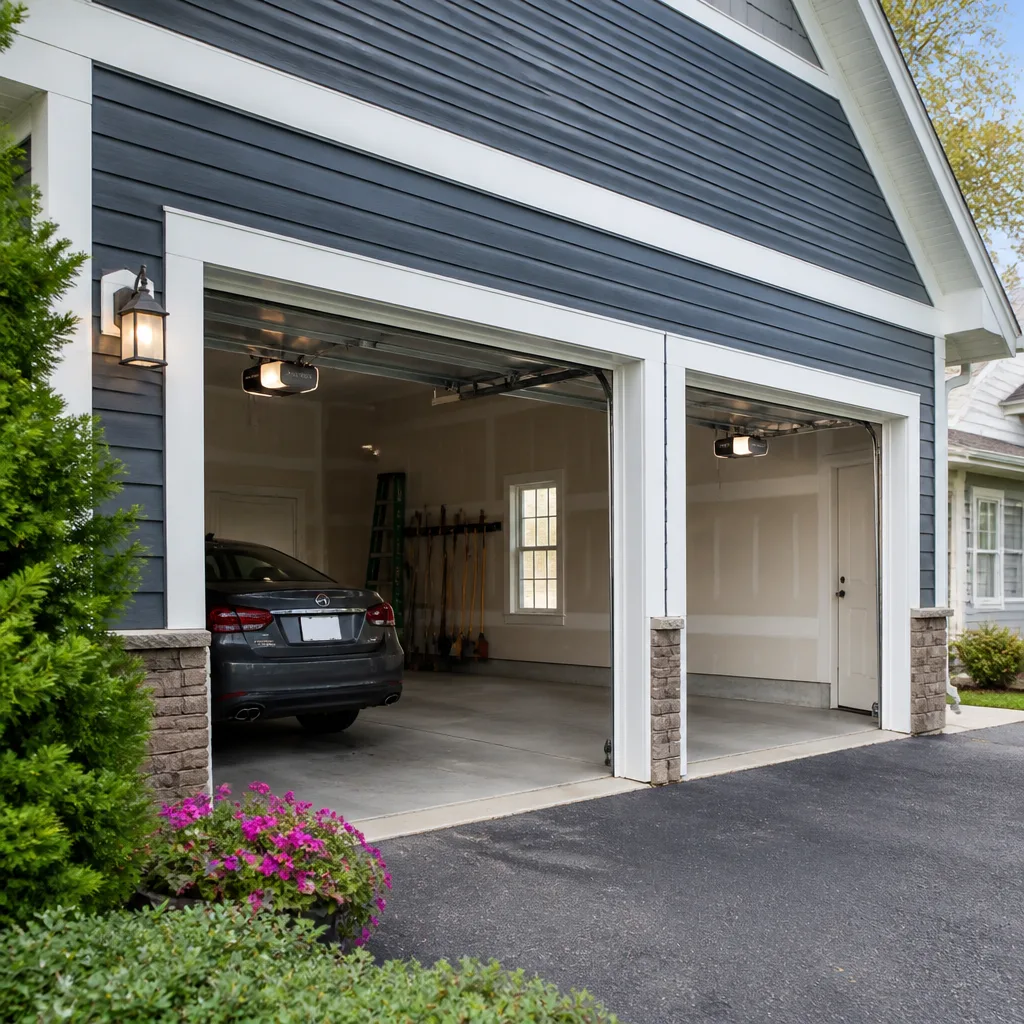 Chamberlain openers
Full 25-point door and opener safety check with every visit - springs, cables, rollers, tracks, and your LiftMaster or Chamberlain opener included
You get a price before we start. It does not change when the pro arrives.
Get your free estimateGarage Door Warning Signs: A Boulder Homeowner’s Reference Guide
A garage door that reverses before touching the ground is not a sensitivity glitch. It’s your opener’s auto-reverse system telling you one of three things: the safety eyes are misaligned, the lenses are dirty, or the logic board in an older unit is failing. Treating those as one problem is how homeowners end up paying for a service call that fixes nothing. This guide pairs every common warning sign with the mechanical reason behind it and a clear urgency rating, so you know whether to stop using the door, book a repair this week, or just keep an eye on it. Boulder homeowners deal with freeze-thaw cycles, intense high-altitude sun, and doors that run several times a day, and each of those leaves its own signature on the hardware.
Quick Answer
The warning signs that matter most are a door that reverses before contact, a loud bang followed by a door that won’t lift, uneven closing, and grinding or scraping during travel. Stop using the door immediately if you hear a bang from the springs, see a gap in the cable, or the door hangs crooked. Everything else can usually be scheduled, and a free estimate tells you which category you’re in before any work starts.
Styles & brands we work with
- Raised-panel steel
- Carriage house
- Modern flush
- Full-view glass
- LiftMaster openers
- Chamberlain openers
Table of Contents
- The three-tier urgency system
- Seven sounds Boulder homeowners misidentify
- Visual signs shaped by Boulder conditions
- Movement warning signs decoded
- How to describe a problem so you get an accurate phone estimate
- Seasonal patterns along the Front Range
- Common mistakes to avoid
- Frequently asked questions
What Are the Three Urgency Tiers for Garage Door Problems?
Every warning sign falls into one of three tiers: Stop Using Now, Schedule Within 48 Hours, or Monitor. The tier depends on what’s physically happening, not how annoying it is. A door that screams on every cycle is loud but often safe to run until your appointment. A door that closes crooked is quiet but can drop a cable and come down hard. Sorting by noise is the most common way homeowners misjudge urgency, and it’s why we walk through the mechanical cause with every caller.
Tier 1: Stop Using Now
- Loud bang from above the door, then the door won’t lift. A torsion spring has broken. The door is now held by the opener alone, which isn’t built for that weight.
- Visible gap, fray, or kink in either cable. Cables are under extreme tension and fail without warning. Don’t cycle the door to “check.”
- Door hangs visibly crooked or one side lags. Usually a snapped or jumped cable. Running the opener can bend panels and twist the torsion tube.
- Door drops fast in the last foot of travel. The spring has lost tension or the cable has slack, and the door is falling rather than being lowered.
- Opener runs but nothing moves, with a burning smell. The gear or capacitor has failed and the motor is straining. Unplug it.
Tier 2: Schedule Within 48 Hours
- Grinding that gets louder each cycle (worn rollers or dry bearings).
- A door that reverses on contact with the floor but closes fine when you hold the button.
- Weatherstripping torn along one edge, letting in daylight and cold air.
- Opener remote that works only from close range, or a wall button that intermittently does nothing.
Tier 3: Monitor
- A single rattle you can trace to a loose bolt on the hinge plate.
- Faint squeak in cold weather that goes away once the door has run a few times.
- Minor paint flaking on the bottom panel’s edge, no rust bubbling underneath.
If you’re not sure which tier you’re in, describe what the door does and when. Our technicians have up to 11 years of experience, and a two-minute phone conversation usually sorts a tier three from a tier one.
What Do the Seven Most Common Garage Door Noises Actually Mean?
Sound is the fastest diagnostic clue on a garage door, because each component has its own signature. Grinding is metal-on-metal at the rollers. Scraping is the door’s edge dragging the track. Popping is the spring winding or slipping. Rattling is loose hardware. Squealing is a dry bearing or a failing opener gear. Banging on open or close is a loose panel or a slack chain. Humming with no movement is the motor running without the drive engaged. Getting the label right on the phone cuts the diagnostic time on site.
The seven sounds, decoded
- Grinding. Steel rollers have worn flat and are dragging the track instead of rolling. Left alone, they wear a groove in the track itself, turning a roller swap into a track replacement.
- Scraping. The door is out of alignment in the track, often after a minor impact or a bent hinge. If the scrape is at one spot only, check for a dented track section.
- Popping. A torsion spring that has been wound or unwound incorrectly, or a spring that’s beginning to fail. If the pop happens once and the door then won’t lift, the spring has broken.
- Rattling. Loose bolts on hinges, brackets, or the opener’s rail. Tighten only with a proper wrench and don’t over-torque a hinge plate.
- Squealing. A dry bearing at the roller shaft, or on belt-drive units a worn idler pulley. Lubricating the right part fixes it; lubricating the wrong part makes a mess.
- Banging. A loose panel, or a chain-drive opener with slack in the chain. A single bang from above the door is different and belongs in tier one.
- Humming with no movement. The opener motor runs but the drive gear is stripped, common on older units regardless of brand.
In our experience, homeowners describe three or four of these as “it’s just noisy.” Naming the exact sound narrows the fix to one or two parts before anyone arrives.
What Do Visual Warning Signs Look Like on a Boulder Garage Door?
Visual signs on a Boulder door split into three categories: rust that tells you about moisture and freeze-thaw, panel warping that comes from sun exposure, and weatherstripping failure at the bottom and sides. Rust high on the door and along panel seams is different from rust at the bottom rail. High rust usually means condensation trapped against the panel from the inside; bottom rust means snowmelt pooling under the door. Warping shows as a door that bows outward in the middle, and it’s almost always sun-driven on a south- or west-facing door, not a sign of a bad installation.
Rust patterns
- Freeze-thaw rust. Appears along the bottom rail, panel seams, and any spot where water sits. Boulder gets repeated freeze-thaw cycles in late winter and early spring, when snowmelt re-freezes overnight in the gap under the door.
- Age rust. Spreads evenly across the panel face, with paint lifting in scallops. Usually a sign that the factory finish has reached the end of its life.
- Condensation rust. Concentrated on the inside face of a steel door, along the top edge. Common on doors near an insulated garage wall.
Panel warping
Look at the door from the side, straight down its length. A panel that bows out in the middle by more than about a quarter inch is warping. On a steel or composite door, sun exposure drives this, and a south-facing door in Boulder takes more direct ultraviolet load than the same door on a north face. Warped panels can still be safe, but they stress the hinges and let the weatherstripping pull away, which is what leads to the next problem.
Weatherstripping failure
- Daylight visible under the door when it’s closed.
- Rubber that’s flattened, cracked, or pulled away at one corner.
- A draft you can feel from inside the garage on a cold day.
- Water staining on the garage floor along the bottom edge, which points to the bottom seal needing replacement.
Weatherstripping is inexpensive and one of the few garage door jobs a homeowner can reasonably handle, provided the door is otherwise in good shape. If the seal is failing and the door is crooked or grinding, deal with the mechanical problem first.
Why Does a Door That Closes Unevenly Usually Point to a Cable, Not a Track?
A door that closes higher on one side than the other is almost always a cable problem, even when the track looks like the culprit. The reason is mechanical: both sides of the door are lifted by cables wound around the torsion tube, and if one cable has jumped, stretched, or snapped, that side of the door rises or falls out of step with the other. The track can look bent or out of alignment because the unequal pull is twisting the door slightly in the hinges, giving the impression the track is the problem.
How to tell cable from track
- Look at the gap under the door. If the gap is wider at one edge and tapers smoothly to the other, suspect the cable on the high side. A track problem usually shows a hard step rather than a taper.
- Watch the door from a distance while it runs. If the door shudders and one side visibly lags going up or down, that’s the cable pulling unevenly.
- Inspect the cables from a safe distance only. You’re looking for a cable that’s off its drum, kinked, or clearly slack. Don’t touch a cable under tension. Cables and springs are the parts of a garage door that cause serious injury, and they belong to a trained technician with the right bars and winding tools.
- Check the track for visible bends. A kinked track alone usually shows up as scraping at the point of the bend, not an uneven close.
If the door closes unevenly, treat it as tier one. Running the opener on a door with a slack cable can twist the torsion tube and damage both panels and springs, turning a cable job into a much larger repair. This is one of the most common ways a homeowner turns a weekend into a full replacement. For anything involving springs or cables, call Boulder Garage Door Repair Pros before you cycle the door again.
How Should You Describe a Warning Sign to Get an Accurate Phone Estimate?
The fastest way to get an accurate estimate over the phone is to describe the symptom in mechanical terms: which part is making which sound, when it happens, and what changed. “It’s making a weird noise” gets you a range wide enough to be useless. “Grinding on the left side, louder on the way up, started about a week ago” gets you a diagnosis you can plan around, and usually a tighter estimate before anyone arrives.
The vocabulary that actually communicates
- Where: “above the door” (springs and torsion tube), “at the floor” (bottom seal and bottom bracket), “in the track” (rollers and hinges), “at the opener” (motor, rail, chain or belt).
- When: on opening, on closing, at a specific point in travel, or constant.
- What: grinding, scraping, popping, squealing, or banging. Use the word that matches, even if you feel like you’re being fussy.
- Duration: “started last week” is useful. So is “it’s been getting worse.”
- Brand: tell us the door brand and the opener brand, if you know them. LiftMaster, Chamberlain, Genie, Clopay, Amarr, Wayne Dalton, Craftsman, and Raynor each have their own quirks, and an opener’s age and make tell us a lot about which parts are likely to fail.
A short script that works
Try: “I have a two-car Clopay steel door with a Chamberlain opener. It grinds on the way up, on the left side, and it’s been like that for about ten days. It opens and closes fine, but the noise is getting worse.” That one sentence covers the door, the opener, the symptom, the location, and the timeline, and it’s usually enough for us to give you a realistic estimate over the phone. Call (855) 694-6347 and we’ll walk through it with you.
How Do Boulder Seasons Change What You Should Watch For?
Boulder’s seasonal swings put different stress on a garage door than the same door would face in a milder climate. The freeze-thaw cycle in late winter and early spring loosens hardware and stresses the bottom seal, and the dry, high-altitude sun fades paint and warps panels faster than in lower-elevation cities. Spring is when most of our spring repairs come in. Late summer is when we see the most opener problems, because the unit has been running hot through the hottest weeks.
The seasonal checklist
- Late winter and early spring: walk the door and check for loose bolts on hinges and brackets. This is when freeze-thaw has done the most work and hardware tends to shift. Also check the bottom seal for ice damage.
- Late spring: test the auto-reverse by laying a piece of wood under the door. It should reverse on contact. If it doesn’t, schedule a repair. The safety systems are what make the door safe to run unsupervised.
- Summer: look at the opener’s rail and chain or belt for slack, and check the wall outlet and low-voltage wiring for any loose connection. Hot garages loosen things.
- Fall: check weatherstripping at every edge before the cold sets in. A seal that’s in good shape in October is one that won’t let in snowmelt through January.
Do these checks once per season and you’ll catch most tier two problems before they become tier one. If you don’t want to do the checks yourself, a garage door repair call can cover the full inspection while the technician is out.
See the difference
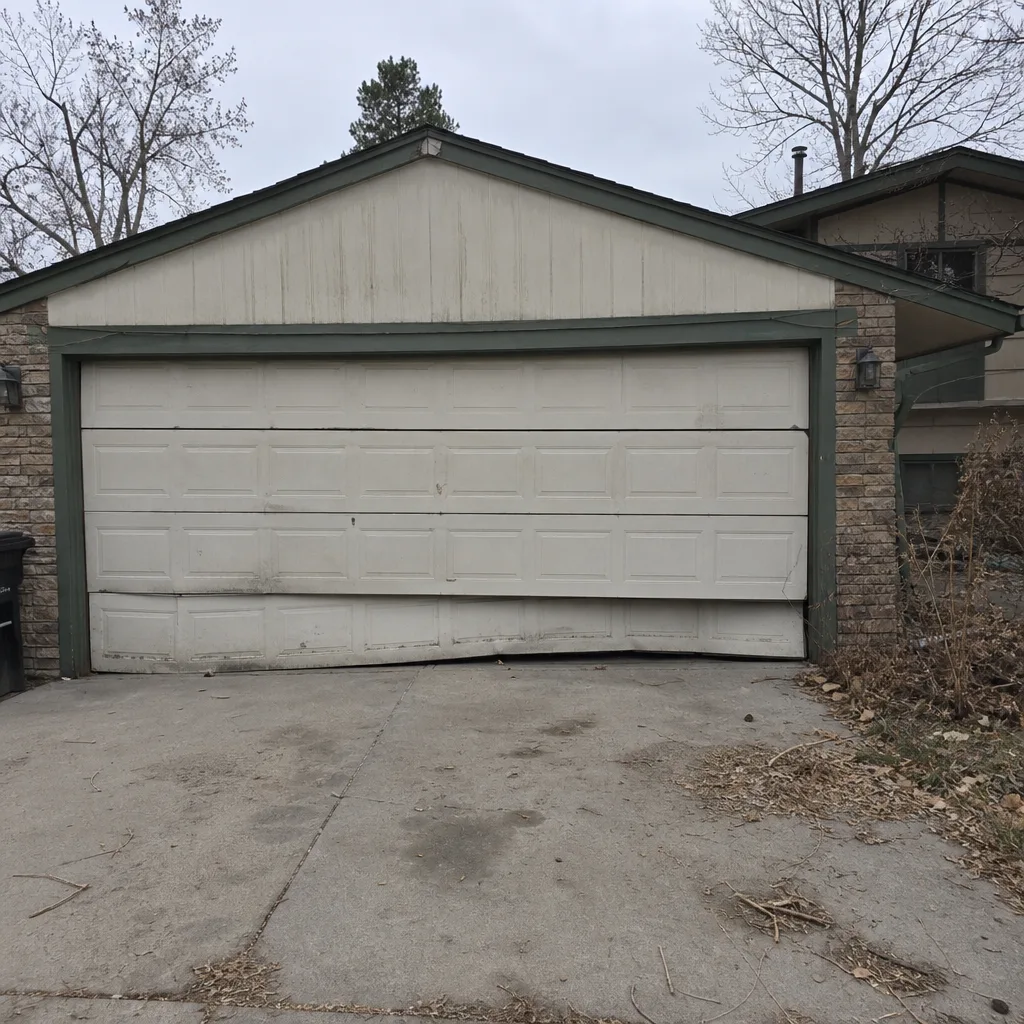 Before
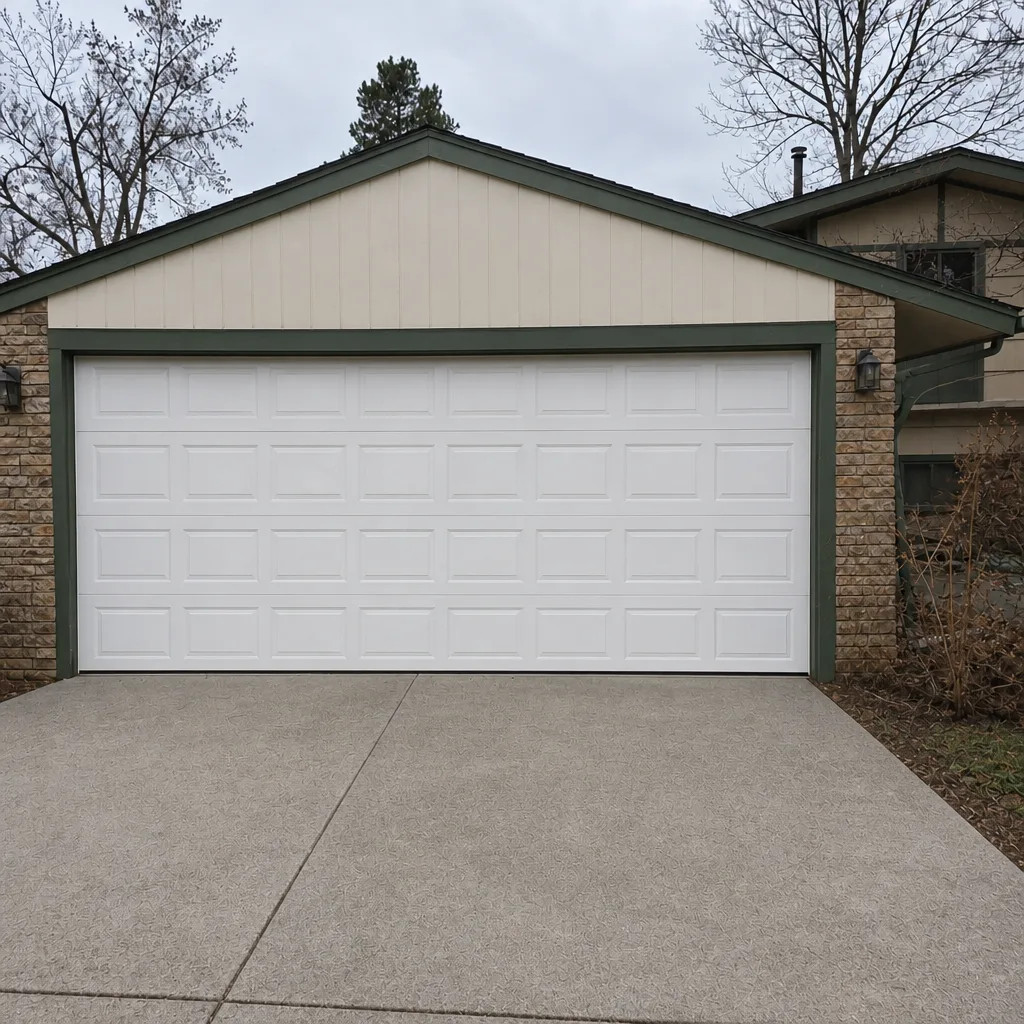 After
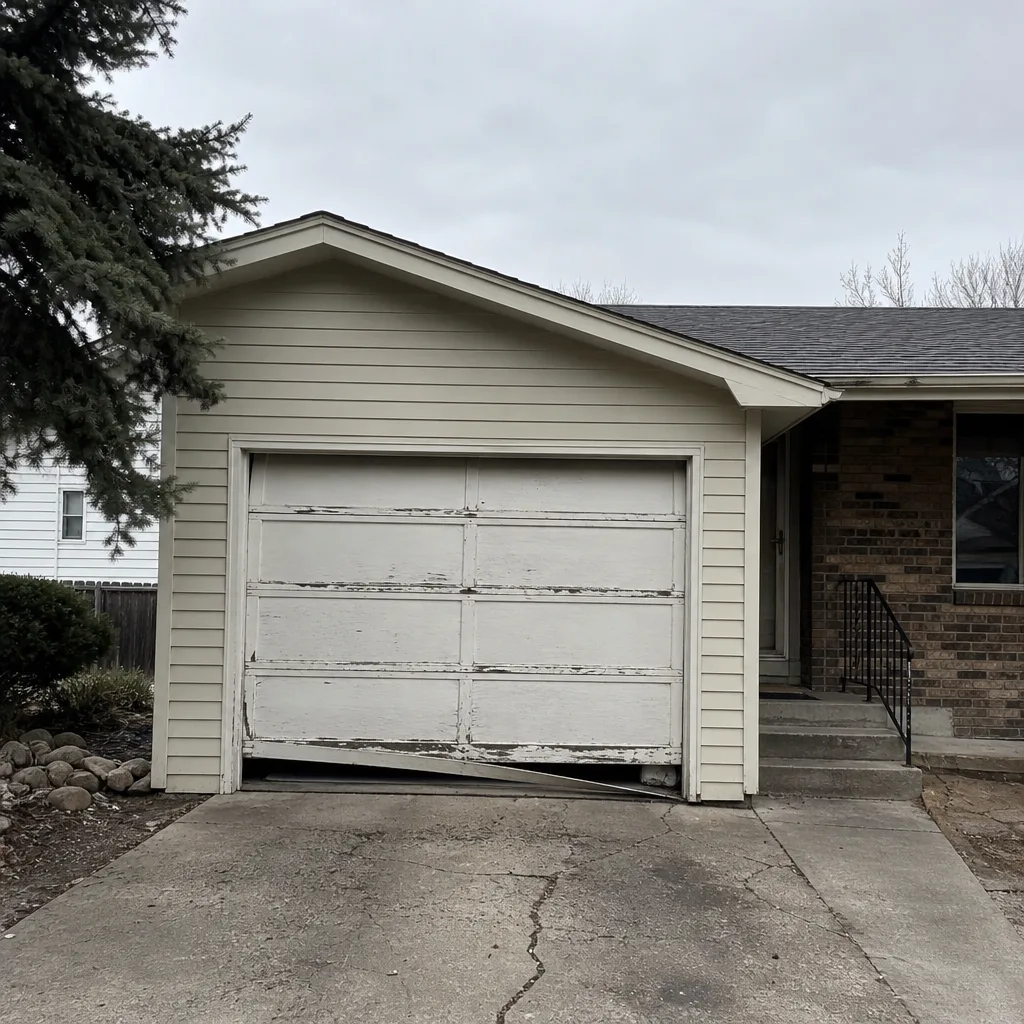 Before
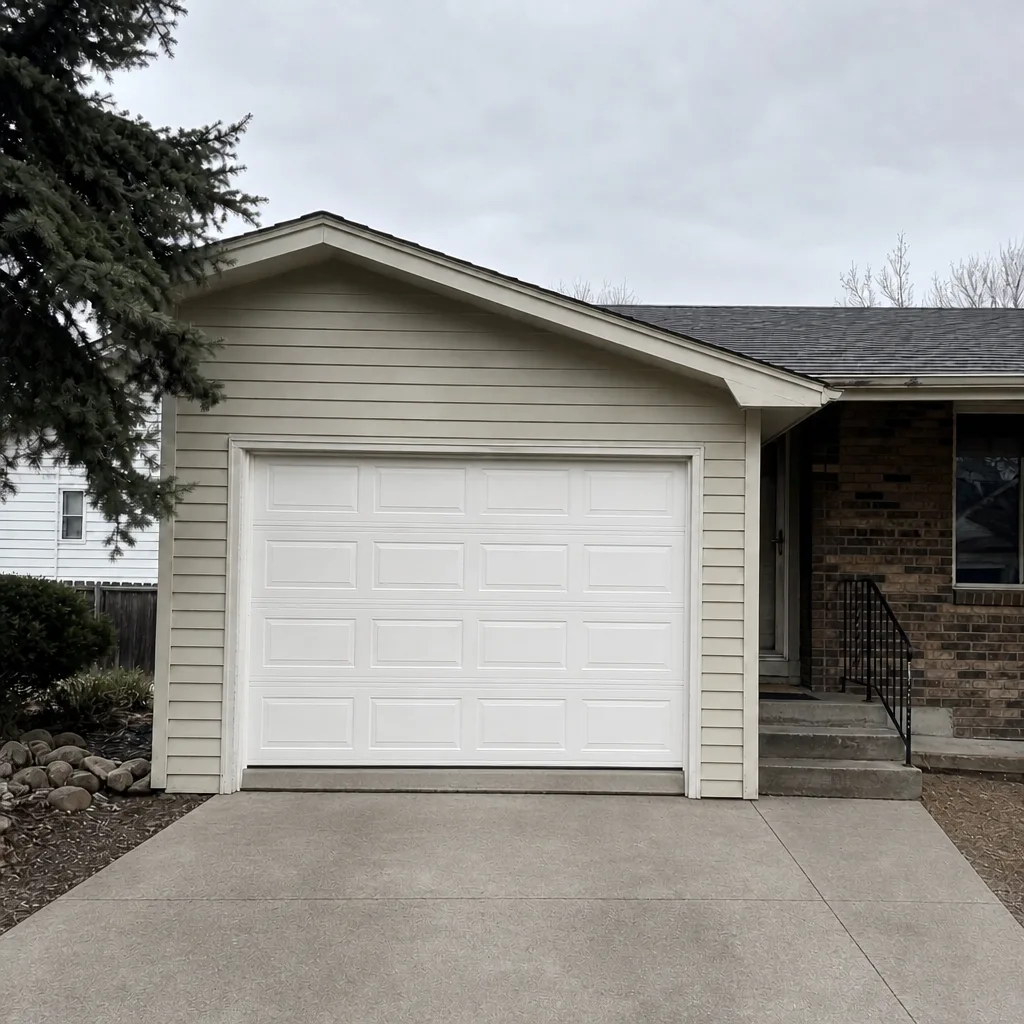 After
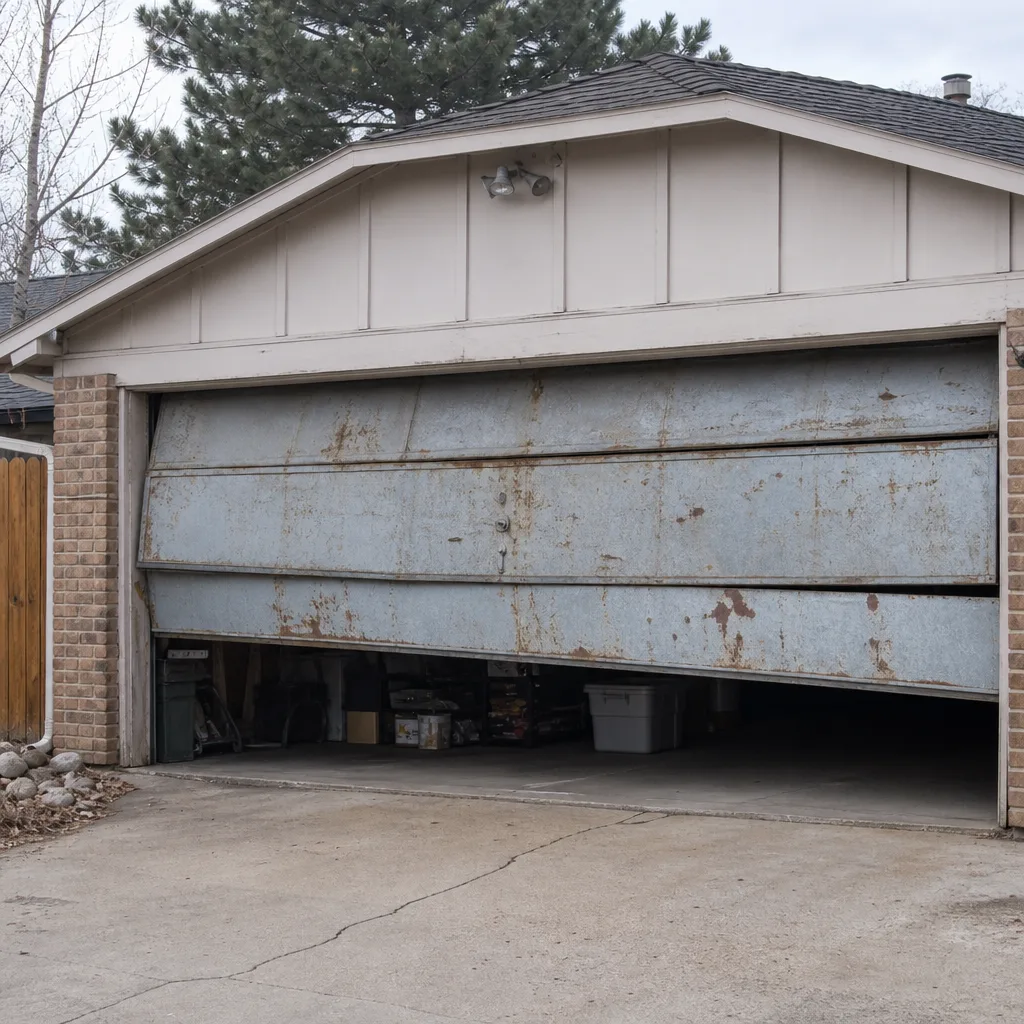 Before
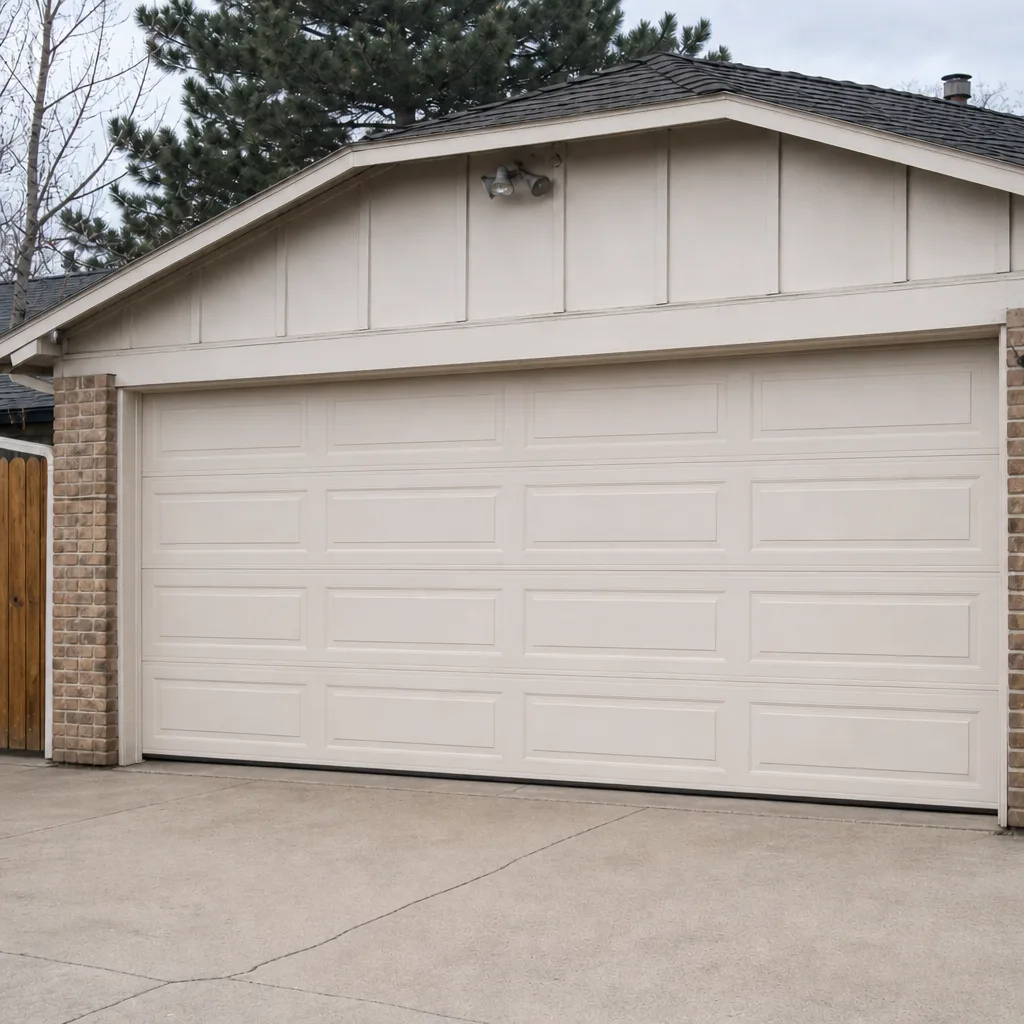 After
What Should You Do About a Failing Opener Versus a Failing Door?
Opener problems and door problems look similar from the driver’s seat but need different fixes. If the door moves easily by hand and the opener won’t run it, the problem is at the opener. If the door is heavy or binds by hand, the problem is at the door, and no amount of opener resetting will fix it. This distinction is the single biggest source of wasted service calls, because homeowners reset the opener repeatedly while the door is the actual problem.
Quick test
- Pull the manual release. Lift the door by hand to waist height. It should feel balanced and stay roughly where you let go.
- If it’s heavy, binds, or drops, the door or spring is at fault. Don’t re-engage the opener.
- If it moves smoothly by hand but the opener still won’t run it, look at the opener: power to the outlet, the wall button, the safety eyes, and the remote battery.
Older Craftsman and Genie openers behave differently from current LiftMaster and Chamberlain units, which have more logic board diagnostics and will often flash a specific code that points to the exact failure. If your opener is flashing a code, jot it down or take a photo. A garage door opener repair visit goes faster when the technician knows what the board reported.
Common Mistakes to Avoid
- Cycling the door to “check” a snapped cable or broken spring. The opener’s only job is to lift the door, not to catch it. Running it on a door with a broken spring can drop the door and can damage the opener’s gear train. Leave it in the up position if it’s up, down if it’s down, and call.
- Adjusting the opener’s force limits to fix a binding door. Turning up the force limit makes the opener work harder against a mechanical problem instead of solving it. In Boulder’s climate, that usually means a bent panel by spring.
- Using WD-40 or a thin spray on the rollers and hinges. It attracts grit and dries out the bearings. A proper garage door lubricant applied to the right parts lasts far longer, and the wrong lubricant on the tracks is a mistake worth avoiding (the tracks should stay dry).
- Ignoring a slow, quiet failure because it isn’t loud. A door that closes unevenly is quieter than a grinding door and much more dangerous. Don’t judge urgency by volume.
- Assuming a warped panel is a track problem. On a south-facing door, warping is usually sun exposure and panel fatigue, not a bent track. Fixing the track won’t straighten the panel.
- Painting over rust without treating it. In Boulder’s freeze-thaw climate, paint over rust traps moisture against the steel and makes the next season’s damage worse. Treat the metal, then paint.
- Calling a general handyman for a spring repair. Torsion springs are wound under hundreds of pounds of tension and require specific tools and technique. This is the job most likely to be attempted and botched by someone without garage door training, and it’s the one that hurts people. garage door spring repair belongs to a trained technician.
When to Call a Professional
Call us now if you hear a bang from the springs, if the door hangs crooked, if a cable is visibly slack or kinked, if the door reverses on its own or won’t close, or if the opener hums without moving the door. Call if a child, a pet, or a car has had a near miss with a door that didn’t reverse. Schedule within a couple of days if you’re hearing grinding, scraping, or popping, or if the weatherstripping has failed along one edge. Monitor the rest and note anything that changes. Boulder Garage Door Repair Pros offers free estimates in Boulder. Call (855) 694-6347, and our team can talk you through the symptom before sending anyone out. We’re open Sunday through Friday, 7am to 7pm, closed Saturday.
Frequently Asked Questions
Usually not, and it’s one of the few warning signs that can be a five-minute fix. The auto-reverse system uses two safety eyes near the floor; if they’re misaligned or the lenses are dirty, the door reads an obstruction and reverses. Clean the lenses and check that they’re pointing at each other first. If that doesn’t solve it, or the door is an older unit, the cause may be a logic board fault and needs a technician. Call (855) 694-6347 for an exact quote – estimates are free.
Yes, broken-spring repair is a standard emergency call and we’re open Sunday through Friday, 7am to 7pm, closed Saturday. We treat a broken spring as an urgent job because the door is being held by the opener alone, which is not designed to lift the full weight. Don’t cycle the door while you wait. Call (855) 694-6347 to get on the schedule.
No. The written estimate you agree to before work starts is the price, and the technician quotes it after seeing the door and confirming the parts needed. The phone conversation narrows the range; the written estimate sets the number. Call (855) 694-6347 for an exact quote – estimates are free.
The independent local professional we connect you with is licensed and insured as their state requires, and handles spring, cable, and opener work as garage door specialists. We don’t send a general handyman. Our technicians have up to 11 years of experience across the full range of makes and models. Call (855) 694-6347 to book.
No. Grinding is most often a worn steel roller dragging the track instead of rolling, not a track issue itself. Catching it early is a roller replacement. Left a season or two, it can wear a groove into the track, and then both parts need attention. Describe the location of the grinding when you call and we can usually narrow it down over the phone.
We’re closed Saturday. We’re open Sunday through Friday, 7am to 7pm. If a door fails at the end of the week, call us and we’ll book the repair for Sunday. Call (855) 694-6347 to schedule.
Sun damage shows as fading and powdering across the full panel face, with no bubbling underneath. Rust shows as paint lifting in scallops with brown underneath, usually along seams and the bottom rail. On a south-facing door in Boulder, you’ll likely see both. Treat any rust before repainting. For a full new door, sun and rust damage are often the two reasons a door gets replaced rather than repaired, and a garage door repair technician can tell you which case you’re in.
The Bottom Line
Most garage door warning signs are diagnostic if you know what you’re hearing and seeing. Sort them by tier: a bang from the springs or a crooked door belongs in Stop Using Now; grinding, scraping, or a failing weather seal belongs in Schedule Within 48 Hours; a rattle you can trace to a loose bolt belongs in Monitor. Say what you see and hear in plain mechanical terms when you call, and you’ll get a tighter estimate. Our technicians have up to 11 years of experience, we’re factory-familiar with LiftMaster, Chamberlain, Genie, Clopay, Amarr, Wayne Dalton, Craftsman, and Raynor, and we handle everything from a single roller to a full new door. When you’re ready, call Boulder Garage Door Repair Pros at (855) 694-6347 for a free estimate. We’re open Sunday through Friday, 7am to 7pm, and closed Saturday.
Written by the team at Boulder Garage Door Repair Pros.