Last updated November 22, 2026
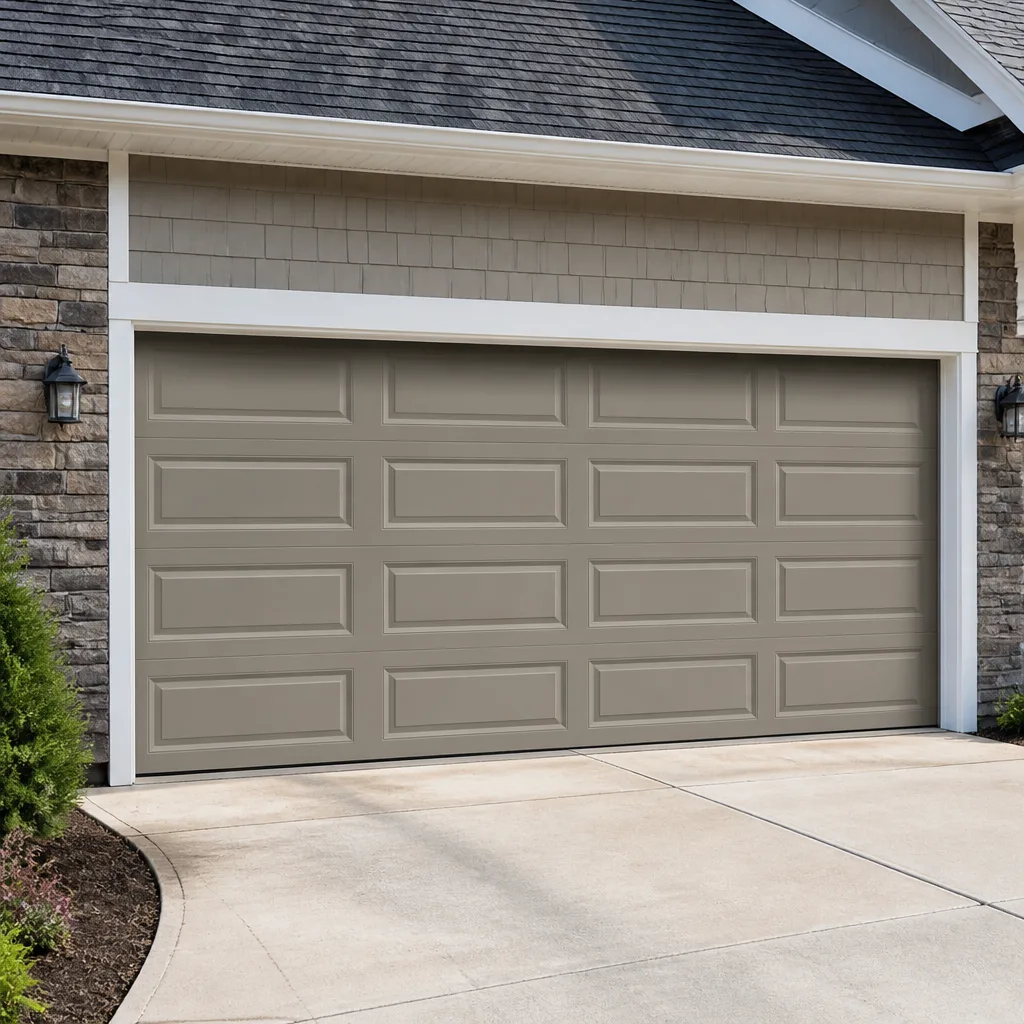 Raised-panel steel
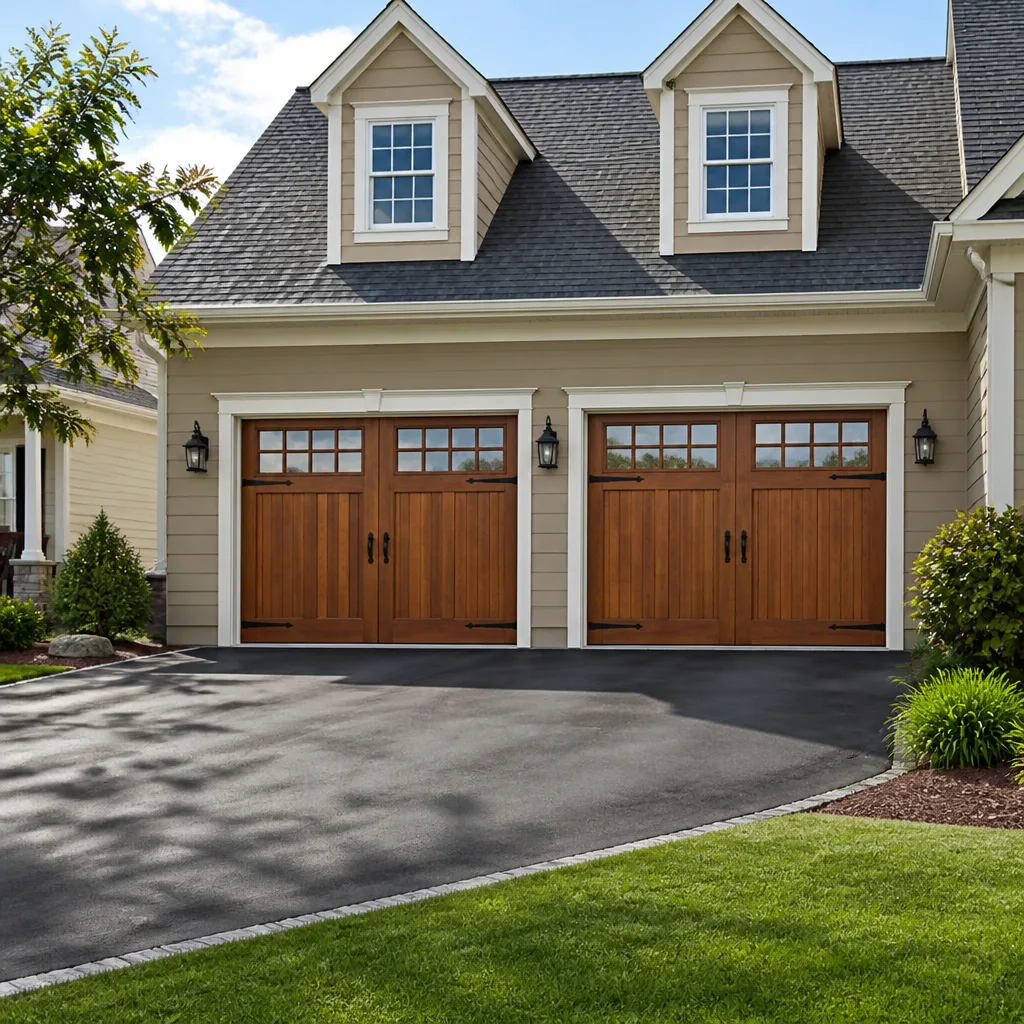 Carriage house
 Modern flush
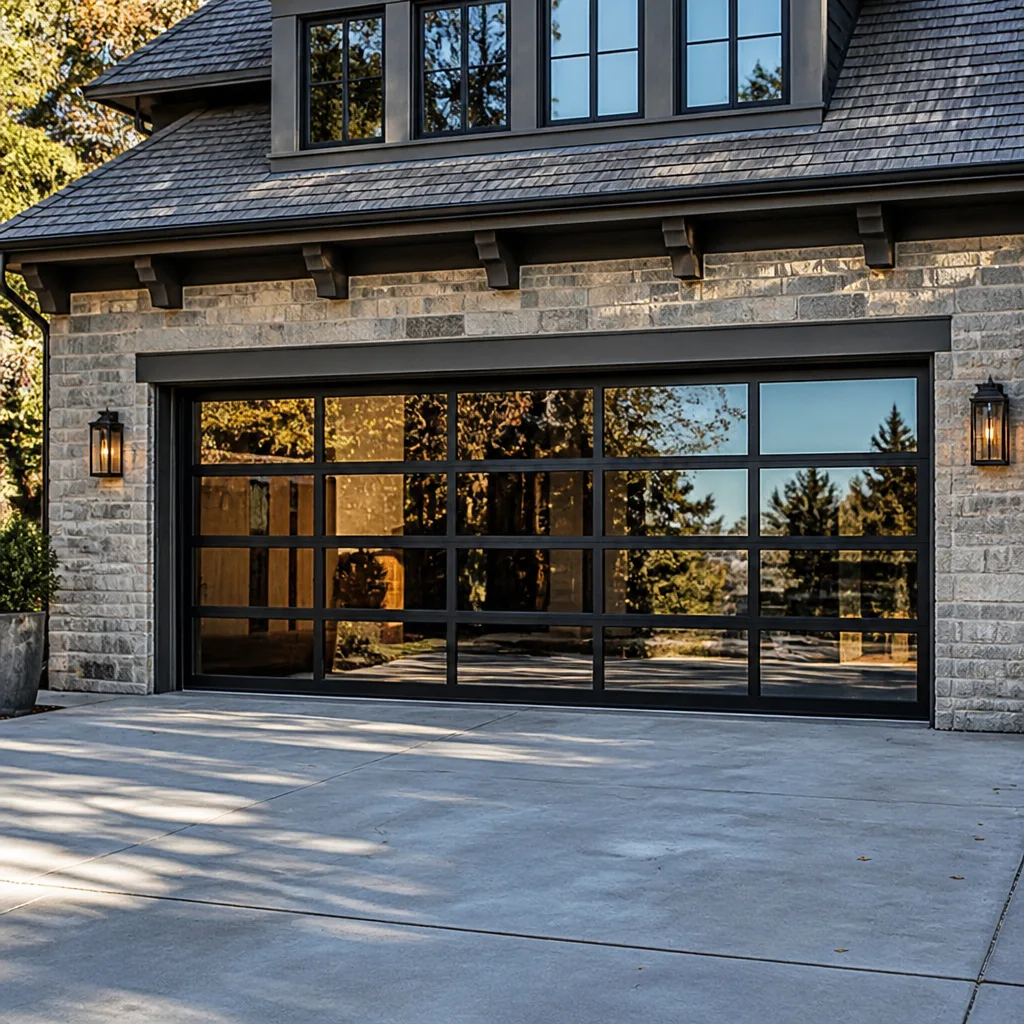 Full-view glass
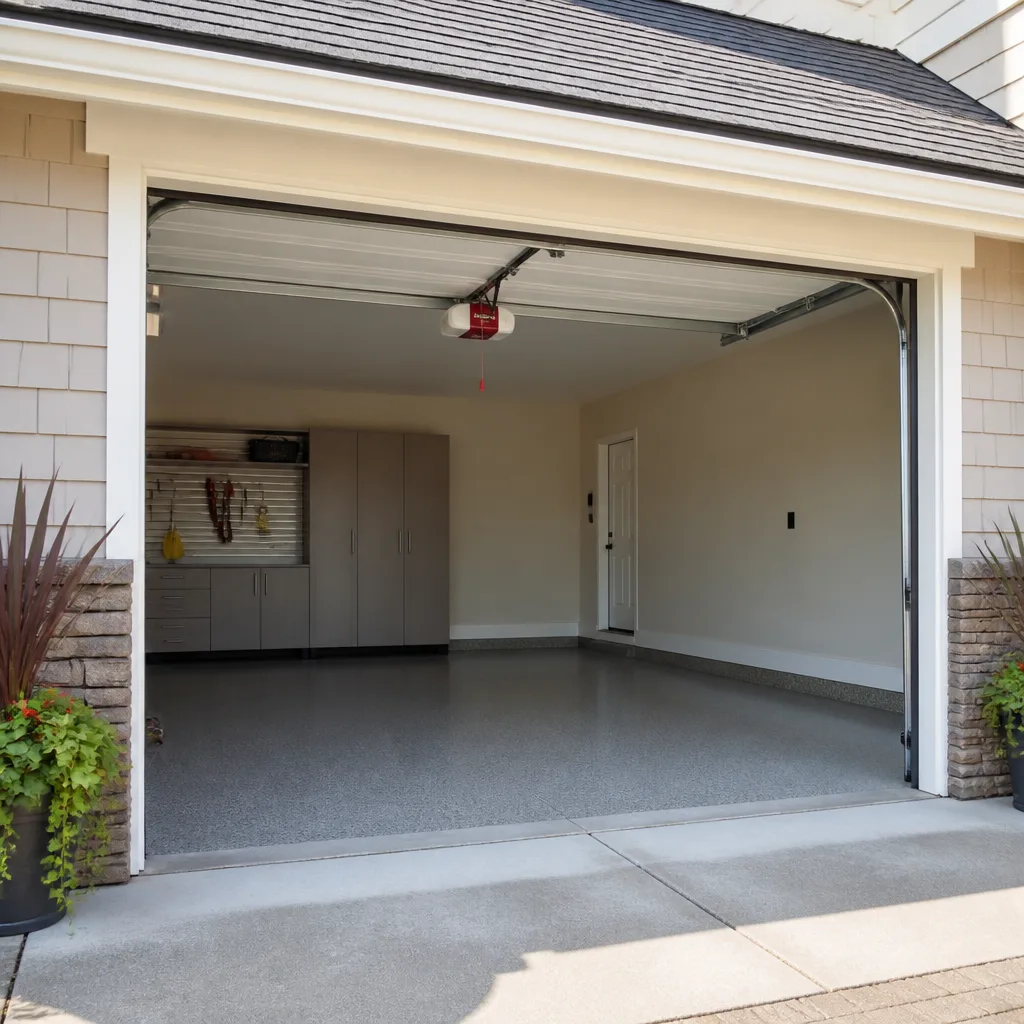 LiftMaster openers
 Chamberlain openers
Full 25-point door and opener safety check with every visit - springs, cables, rollers, tracks, and your LiftMaster or Chamberlain opener included
You get a price before we start. It does not change when the pro arrives.
Get your free estimateGarage Door Emergency Preparedness Guide for Boulder Homes
The emergency that reveals a preparedness gap is never the right moment to learn how your door works. During the Marshall Fire, hundreds of Boulder County homeowners found out their openers wouldn’t run because the power was out, and many had never once pulled the manual release cord. That gap between a working door and a dead one is usually a few seconds of knowledge. This guide fixes that gap. We’ll walk you through the manual release on the opener brands most common in Boulder homes, the specific failures this city throws at garage doors, and the exact sequence of steps to stabilize a broken door before help arrives. You’ll finish knowing what to do when the door won’t move, won’t close, or jams halfway down.
Quick Answer
A garage door emergency in Boulder usually comes down to three things: getting the door open or closed safely, keeping the door from falling, and knowing when to stop touching it. For most failures, pull the manual release cord to disengage the opener, then lift or lower the door by hand while keeping clear of the springs and cables. If a spring, cable, or panel is visibly broken, stop using the door entirely and cover the opening until a technician arrives. When in doubt, call (855) 694-6347 and we’ll talk you through whether it’s safe to operate.
Styles & brands we work with
- Raised-panel steel
- Carriage house
- Modern flush
- Full-view glass
- LiftMaster openers
- Chamberlain openers
Table of Contents
- How the Manual Release Works on Boulder’s Common Openers
- Post-Windstorm Panel Damage: Safe vs. Unsafe to Keep Using
- The Frozen Door Protocol for Boulder Freeze Events
- When a Cable Snaps Mid-Operation
- Power Outages, Wildfire Grid Events, and Trapped Vehicles
- The Five-Item Garage Emergency Kit
- Brand-Specific Quirks We See in Boulder
- The Annual Check That Prevents Most Emergencies
How the Manual Release Works on Boulder’s Common Openers
The manual release disconnects the opener from the door so you can move the door by hand. Every residential opener has one, and it works the same way in principle: you pull a cord or handle, a trolley separates from the carriage, and the door is free of the motor. What differs between brands is where the cord hangs and which direction the carriage releases.
Here’s the general procedure:
- Stand clear of the door and look up at the opener rail. The release cord or handle hangs down from a trolley on that rail.
- Pull the cord straight down, toward the floor, in one firm motion. On most openers this separates the trolley from the carriage.
- Test the disengagement by lifting the door a few inches by hand. It should move freely and stay where you put it.
- Once you’re done, re-engage by pulling the cord back toward the opener (on most brands) or following the re-engagement step in your opener’s manual.
Model-specific notes. On LiftMaster and Chamberlain openers, the release handle hangs from a trolley near the door and pulls down to disengage; the re-engagement direction is back toward the motor unit. Genie openers use a similar trolley but the release handle often sits at a slightly different height, so check where it hangs on your rail before you need it. Craftsman openers follow the same down-to-release, back-to-engage pattern, and Raynor systems may use a different handle shape entirely. The safest move for any Boulder homeowner is to find your opener’s manual and confirm the direction once, then practice pulling the cord with the door closed and the opener off.
Never pull the release while the door is up and the springs are under tension with the door held only by the opener. The door can drop. Practice this on a calm day, with the door down, so you know the motion before you need it in the dark.
Post-Windstorm Panel Damage: Safe vs. Unsafe to Keep Using
Foothills gusts hit Boulder hard, and garage doors are a big flat sail on the exposed side of most homes. After a windstorm, the question isn’t whether the door took a hit, it’s whether the damage makes the door unsafe to run. Here’s how to sort that out.
Safe to keep using (with care):
- A single cosmetic dent with no crack, no separation, and no change in how the door tracks or sounds.
- A bent hinge or roller that still rolls and doesn’t bind the door.
- A loose section bolt that you can re-tighten and that holds.
Stop using the door and call a technician:
- A cracked or shattered panel, even a small one. A panel can fail under load, and a failing panel can drop.
- Any visible bend in the horizontal track or a door that’s out of square in the opening.
- A door that runs rough, drags, or makes a new noise after the storm. That’s usually a bent track or a binding roller, and running it makes it worse.
- Any spring or cable that looks displaced, kinked, or slack. Do not touch it.
When a door is damaged and you can’t close it, secure the opening. A car in the garage isn’t protection. Cover the opening with a sheet of plywood braced from the inside, or park a vehicle tight against the outside of the door if that’s the safer option. For damage that needs repair, our garage door repair service handles panel, track, and roller work across the brands most common in Boulder homes.
The Frozen Door Protocol for Boulder Freeze Events
Boulder gets rapid overnight drops where the temperature falls far enough, fast enough, to freeze the bottom weather seal to the concrete. The opener strains, the motor over-torques, and if the door is forced, the seal tears or the opener’s gears strip. Here’s the sequence that avoids both.
- Don’t run the opener again. If the door won’t move on the first try, stop. Running it a second and third time while frozen is how openers get damaged.
- Disengage the opener with the manual release so the motor isn’t fighting the ice.
- Thaw the seal, not the door. Warm air is the right tool. A hair dryer on low, held a few inches from the bottom seal, moving back and forth. Do not use a heat gun, a torch, or boiling water, all of which can warp the seal, crack the glass in a windowed panel, or damage paint.
- Free the seal gently by sliding a plastic scraper or a stiff putty knife under the edge once it’s soft enough to move. Never pry with metal.
- Lift the door by hand first to confirm it moves freely, then re-engage the opener and run it once.
If the door runs but the opener motor sounds strained or the door stops partway, the opener may have already taken damage. That’s a job for garage door opener repair. Genie and Chamberlain openers both have force-limit settings that can fault after a few forced attempts, and the fix isn’t a reset, it’s a proper diagnosis.
Prevention for the next freeze: keep the bottom seal clean and pliable, and clear snow and ice from the threshold before the overnight drop. A seal that’s cracked or hard is the one that freezes to the floor.
When a Cable Snaps Mid-Operation
A snapped cable is one of the two garage door failures you should never troubleshoot yourself. The door may still be up, held by the remaining cable and the springs, and the wrong move can drop it. Here’s what to do, in order.
- Stop. Don’t run the opener. Don’t pull the manual release. Don’t try to lift the door by hand.
- Keep everyone clear of the door and the space underneath it. Move vehicles out from under the door if it’s safe to do so without walking under it.
- If the door is fully closed, leave it closed and secure. That’s the safest state.
- If the door is up or partway, don’t touch it. A door held by a single cable can drop without warning. Call for help and keep the area clear until a technician can secure it.
- Cover the opening if you can do it from the side, without reaching under the door.
Cables and springs are under extreme tension. A cable that’s snapped can whip, and a door that drops can crush. This is not a repair to attempt with YouTube and a ladder. Our garage door spring repair service covers the spring and cable work that goes with it, and it’s handled with the right tools and the right procedure, because a botched spring job is the most common serious garage door injury.
Power Outages, Wildfire Grid Events, and Trapped Vehicles
Boulder’s wildfire season brings preemptive power shutoffs and grid events that can leave an opener dead for hours. If your car is inside and you need it, the sequence is simple but easy to get wrong.
- Use the manual release first. Pull the release cord to disengage the opener, then lift the door by hand. On most doors this is easy; on a heavy or poorly balanced door it may not be. Test it now, on a normal day.
- If the door won’t lift by hand easily, don’t force it. A balanced door lifts with modest effort. A door that fights you needs a technician, not more muscle.
- If your opener has a battery backup (many LiftMaster and Chamberlain models do), the opener will run on battery. Check yours now and note whether you have one.
- Keep the release cord reachable. If it’s tangled or the handle is out of reach over a car, fix that today, not during the next outage.
A dead opener during a grid event is a preparedness issue, not a repair. The door still works. The homeowners who get stuck are the ones who never tested the release.
The Five-Item Garage Emergency Kit
Five items, kept in the garage, that let you manage a door failure safely until help arrives. Nothing on this list is expensive, and all of it is useful the day a door fails.
- A flashlight with fresh batteries. Most door failures happen at night or during a power outage, and the garage is the darkest room in the house.
- A pair of work gloves. For handling a damaged panel or moving debris without cutting a hand.
- A sheet of plywood sized to the opening, plus a way to brace it. The fastest way to secure a garage opening when the door won’t close.
- Your opener’s manual. A paper copy in the garage beats a PDF you can’t open during a power outage. This is where the release direction and the force-limit settings live.
- A card with the number of a garage door specialist, so you’re not searching for one in the dark. Ours is (855) 694-6347.
Two more that earn their place: a plastic scraper for the frozen-seal protocol, and a marker to note anything odd about the door’s behavior before you call. A specific description (“the door stops about a foot off the floor and the opener clicks”) gets a faster diagnosis than “it’s broken.”
Brand-Specific Quirks We See in Boulder
Garage doors look alike, but the openers and doors behind them don’t. We work on the eight brands most common in Boulder homes, and each has its own habits. A few worth knowing:
- LiftMaster and Chamberlain share a lot of engineering, and both use a trolley release that pulls down to disengage. Their force-limit and travel-limit settings are the first thing to check when a door stops partway after a freeze.
- Genie openers often have a trolley release at a slightly different height, and older Genie units use a chain and rail arrangement that needs a different adjustment when the door binds.
- Craftsman openers are common on older Boulder homes, and the legacy systems still work fine when the safety sensors are clean and aligned. The sensors, not the motor, are usually the fault.
- Clopay doors are common on newer construction, and panel replacement has to match the profile and color, which is a measure-and-order job, not a same-day fix.
Knowing the brand matters because the diagnosis changes with it. A door that runs rough on a LiftMaster is a different problem than the same symptom on a Genie. When we dispatch a technician, we ask which brand you have, so the right parts and the right procedure go with them.
The Annual Check That Prevents Most Emergencies
Most garage door emergencies we see start as something small that went unchecked. A door that’s out of balance, a seal that’s cracking, a cable that’s fraying. A fifteen-minute check once a year catches most of it before it becomes a failure.
- Test the manual release with the opener off. Pull the cord, lift the door a few inches, put it back. Confirm the re-engagement direction.
- Test the balance. Disengage the opener, lift the door halfway by hand, and let go. A balanced door stays put. A door that drops or rises on its own needs adjustment.
- Look at the springs and cables. Don’t touch them. Look for fraying, kinks, rust, or gaps. If you see any, call a technician.
- Check the bottom seal. Run a hand along it. It should be pliable, not cracked or hard.
- Test the safety sensors. Wave an object in front of them with the door closing. The door should reverse.
- Listen. A new noise is a new problem. Grinding, squealing, or a pop means something’s binding.
If any of those checks turn up something, that’s a repair, not an emergency, as long as you catch it before it fails. That’s the point of the check. A door that’s out of balance today is the door that drops a cable next winter.
Common Mistakes to Avoid
- Forcing a frozen door with the opener. Running the opener three or four times against a frozen seal is how motors, gears, and force-limit settings get damaged. Stop after the first failed attempt.
- Pulling the manual release with the door up. If the door is raised and held by the opener, releasing it can drop it. Release with the door down.
- Trying to fix a spring or cable yourself. These are under extreme tension and are the most common serious garage door injury. This is a job for trained hands and the right tools.
- Using a heat gun or torch to thaw a seal. It warps the seal, cracks windowed panels, and damages paint. Warm air, low and slow.
- Running a door with a cracked panel. A damaged panel can fail under load. Stop using the door and secure the opening.
- Assuming the opener is the problem when the door is. A door that binds or is out of balance makes a healthy opener look broken. Diagnose the door first.
- Never testing the manual release. The 2021 Marshall Fire showed how many Boulder County homeowners had never pulled the cord. Test it before you need it.
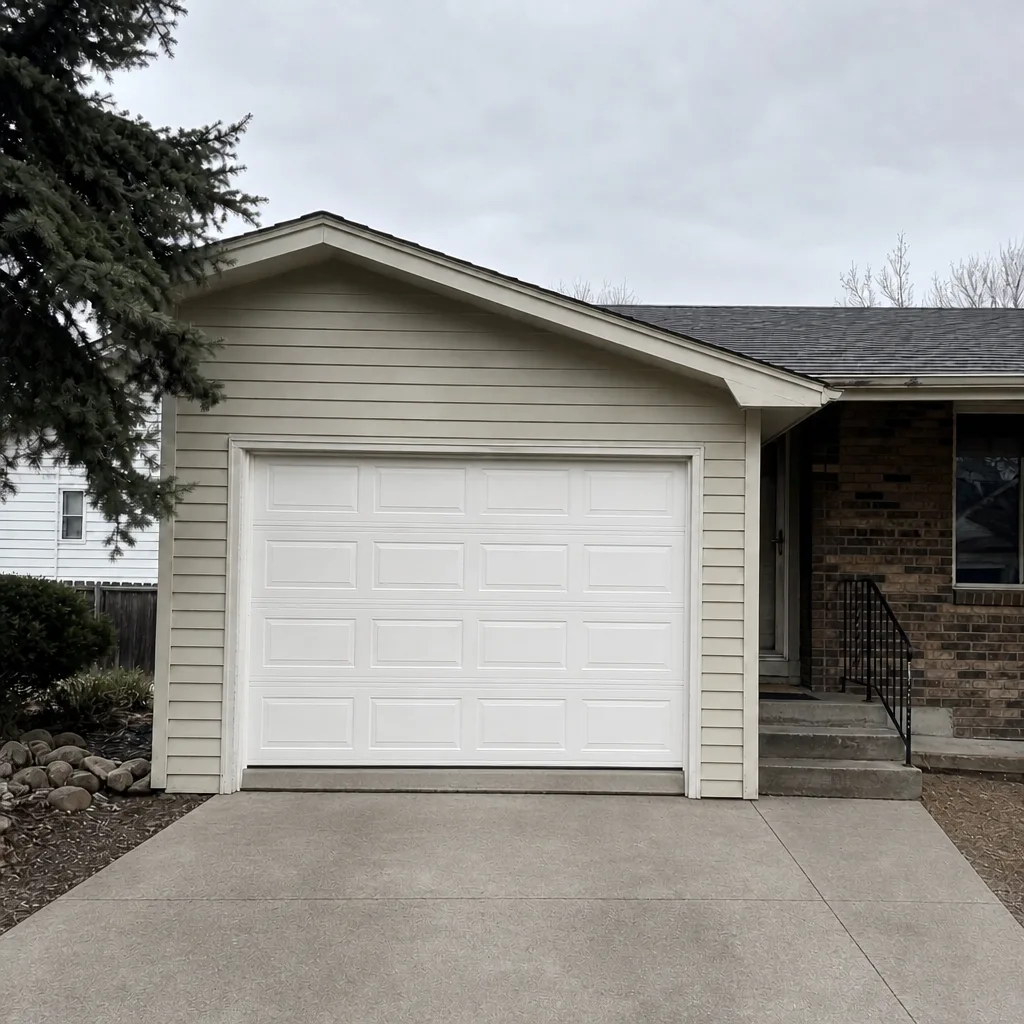
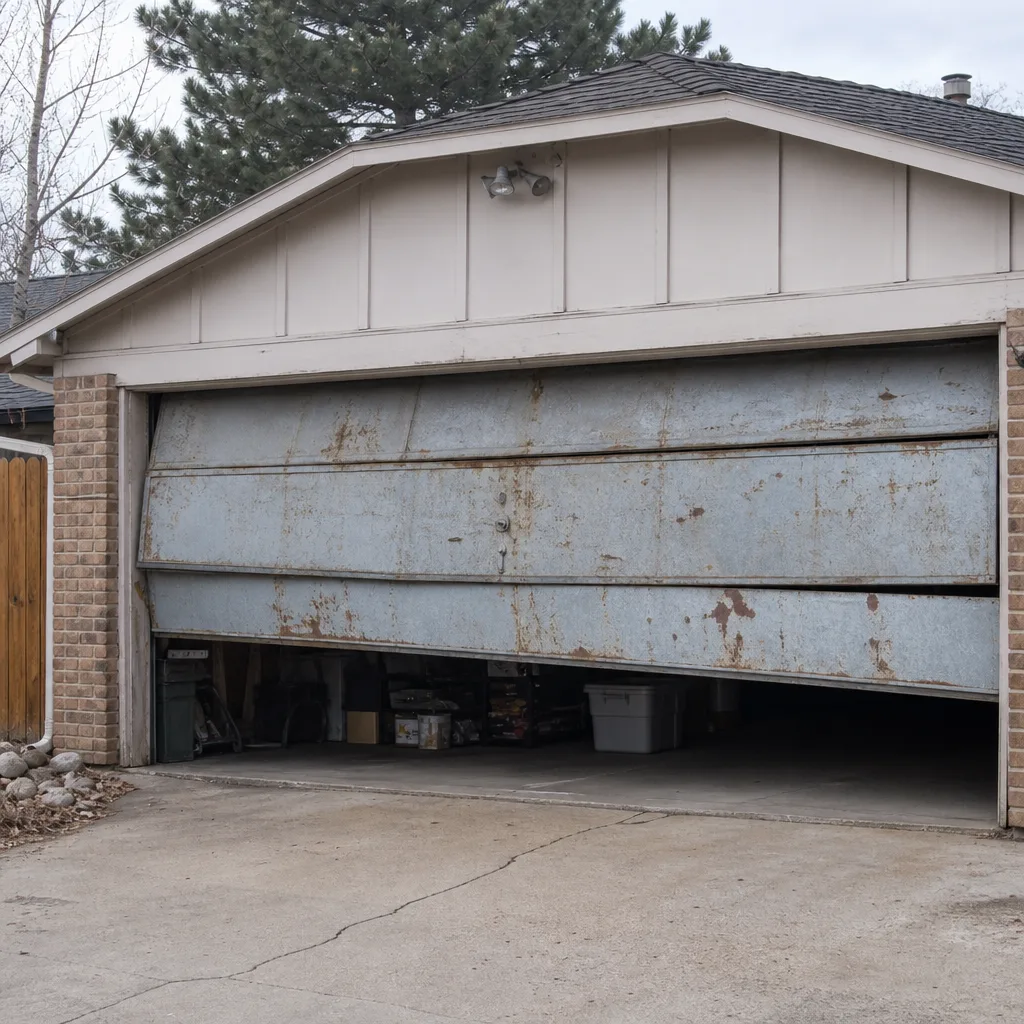
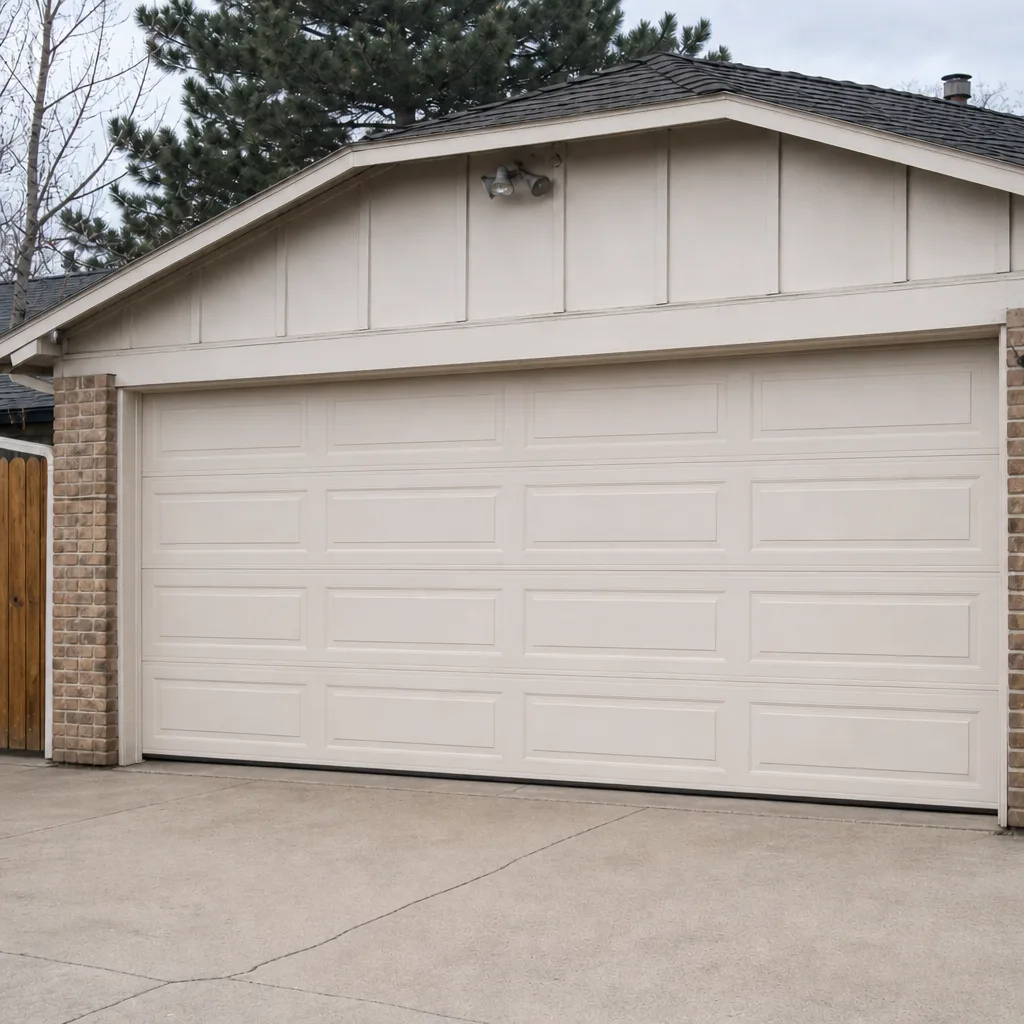
See the difference
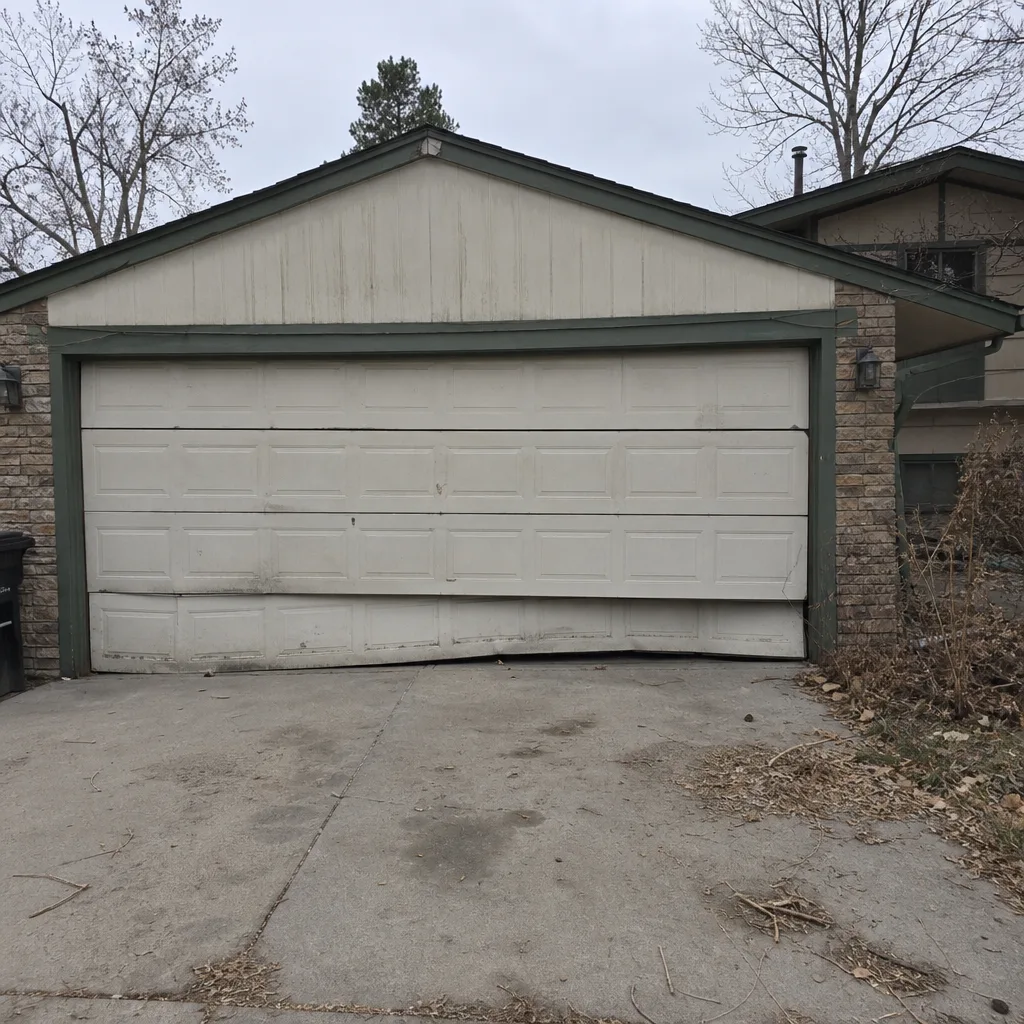 Before
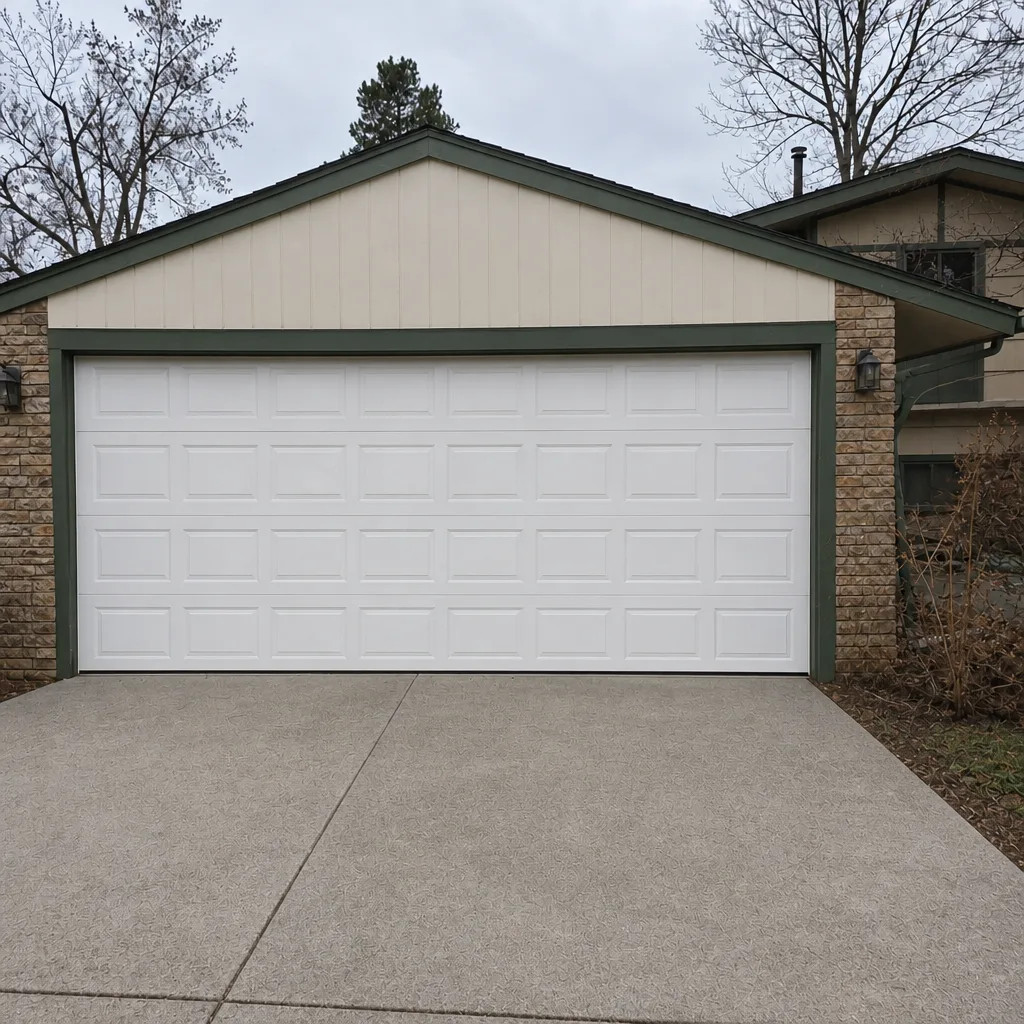 After
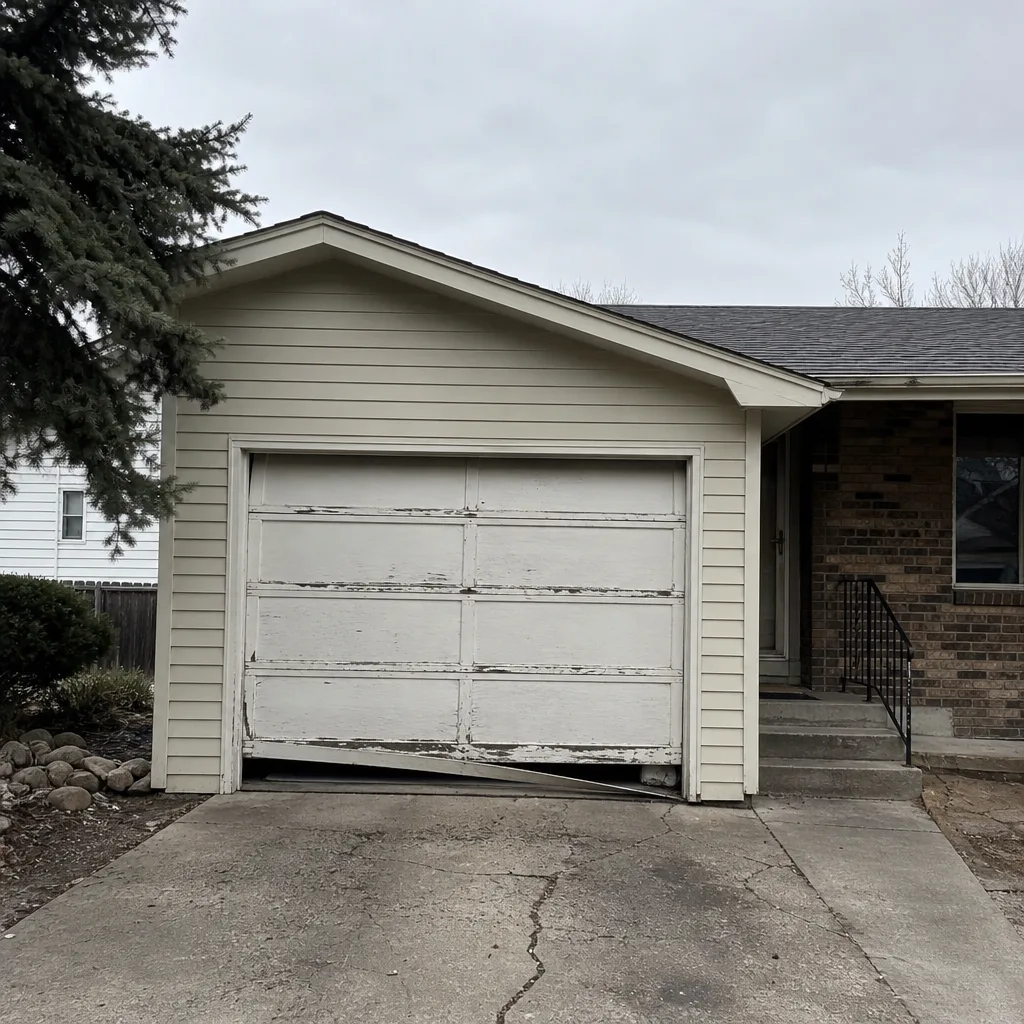 Before
 After
 Before
 After
When to Call a Professional
Call a professional for anything involving springs, cables, or a door that’s dropped out of the track. Call for a door that won’t close and won’t stay closed, a door that runs rough after a windstorm, an opener that’s dead after a freeze, or any door that’s visibly damaged. Call for the manual release if you can’t find it, can’t reach it, or the door won’t lift by hand once it’s released. And call if you’re not sure. A quick conversation beats a guess.
Boulder Garage Door Repair Pros offers free estimates in Boulder. Our technicians have up to 11 years of experience, and we work on the brands most common in Boulder homes, from a broken spring to a full new door. Call (855) 694-6347 and we’ll walk you through what to do before a technician arrives.
Frequently Asked Questions
Pull the manual release cord hanging from the opener trolley to disconnect the motor, then lift the door by hand. The door should move freely and stay where you put it. If it won’t lift easily by hand, the door may be out of balance or the springs may be failing, so stop and call a technician. Test the release now, on a normal day, so you know the motion before an outage.
No. Forcing a frozen door with the opener damages the seal, the gears, or the force-limit settings. Disengage the opener, thaw the bottom seal with warm air from a hair dryer on low, free the seal gently with a plastic scraper, then lift the door by hand before re-engaging. If the opener strains after that, it needs a diagnosis, not another reset.
Stop, don’t run the opener, don’t pull the release, and keep everyone clear of the door. A door held by one cable can drop without warning. Leave it where it is and call a technician to secure it. If you can cover the opening from the side without reaching under the door, do that, but don’t walk under a door that’s held by a single cable.
It depends on the damage. A cosmetic dent with no crack and a door that runs smoothly is fine to use with care. A cracked panel, a bent track, a door that’s out of square, or any new roughness or noise means stop using it and call a technician. A damaged panel can fail under load.
Typical emergency repairs in Boulder range from about $150 to $400 for common fixes like a bent track, a roller or hinge replacement, or an opener fault. Spring and cable work runs higher because it’s a specialty job with the right tools and procedure. The written estimate sets the final price, and we quote before any work starts. Call (855) 694-6347 for an exact quote. Estimates are free.
The local professionals we connect you with are licensed and insured as their state requires. We work on LiftMaster, Chamberlain, Genie, Clopay, Amarr, Wayne Dalton, Craftsman, and Raynor systems, so the technician who arrives knows your equipment and its specific quirks. Call (855) 694-6347 for an exact quote. Estimates are free.
The Bottom Line
Garage door emergencies in Boulder fall into a few recognizable patterns: windstorm damage from foothills gusts, frozen doors after rapid temperature drops, cable failures, and dead openers during grid events. Each one has a specific response. The common thread is preparation. Learn where your manual release is and how it moves. Keep five items in the garage. Do the annual check. And when a spring or cable fails, stop touching the door and call a specialist, because those are the failures that hurt people. Everything else you can manage until help arrives.
Boulder Garage Door Repair Pros is your specialist for the full lifecycle, from a broken spring to a full new door. Your opener, your door, our specialty. Call (855) 694-6347 for a free estimate, and we’ll get your Boulder home’s door working right the first time.
Written by the team at Boulder Garage Door Repair Pros.