Last updated November 22, 2026
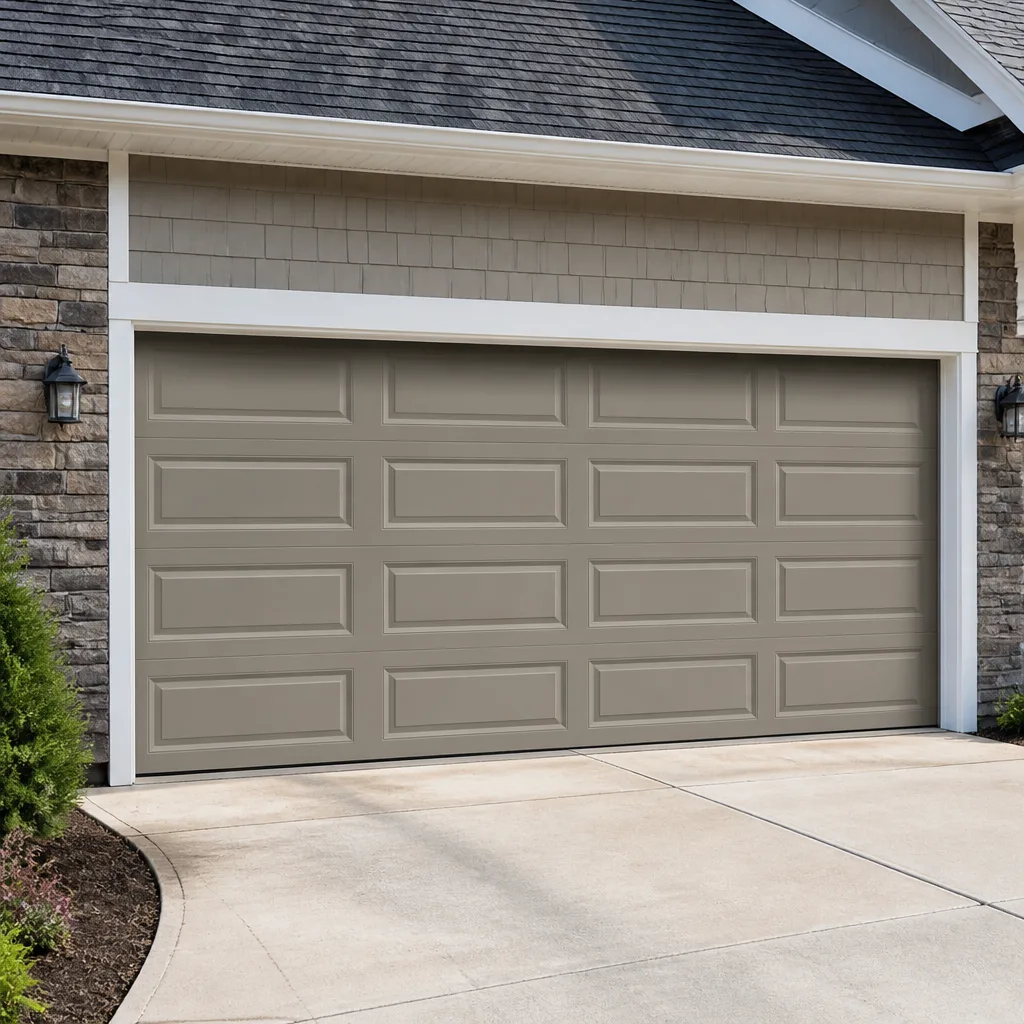 Raised-panel steel
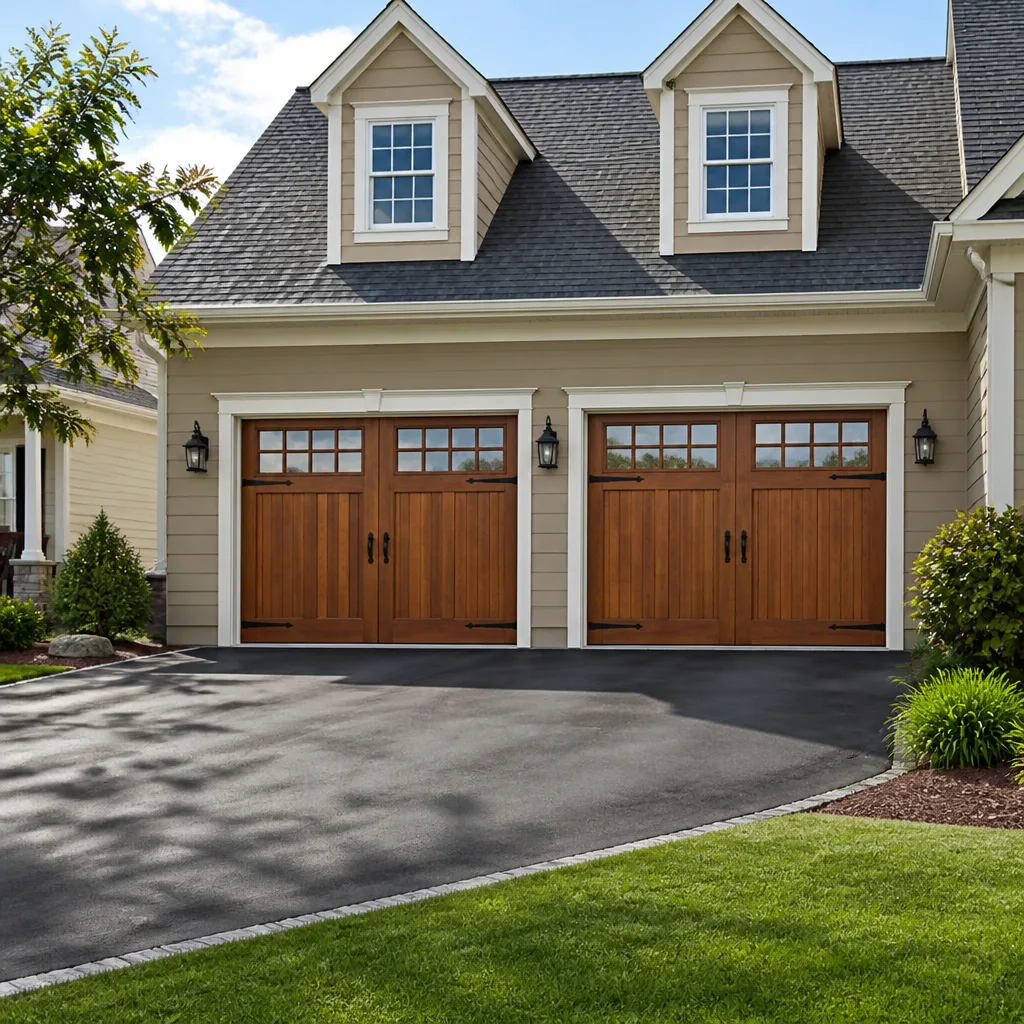 Carriage house
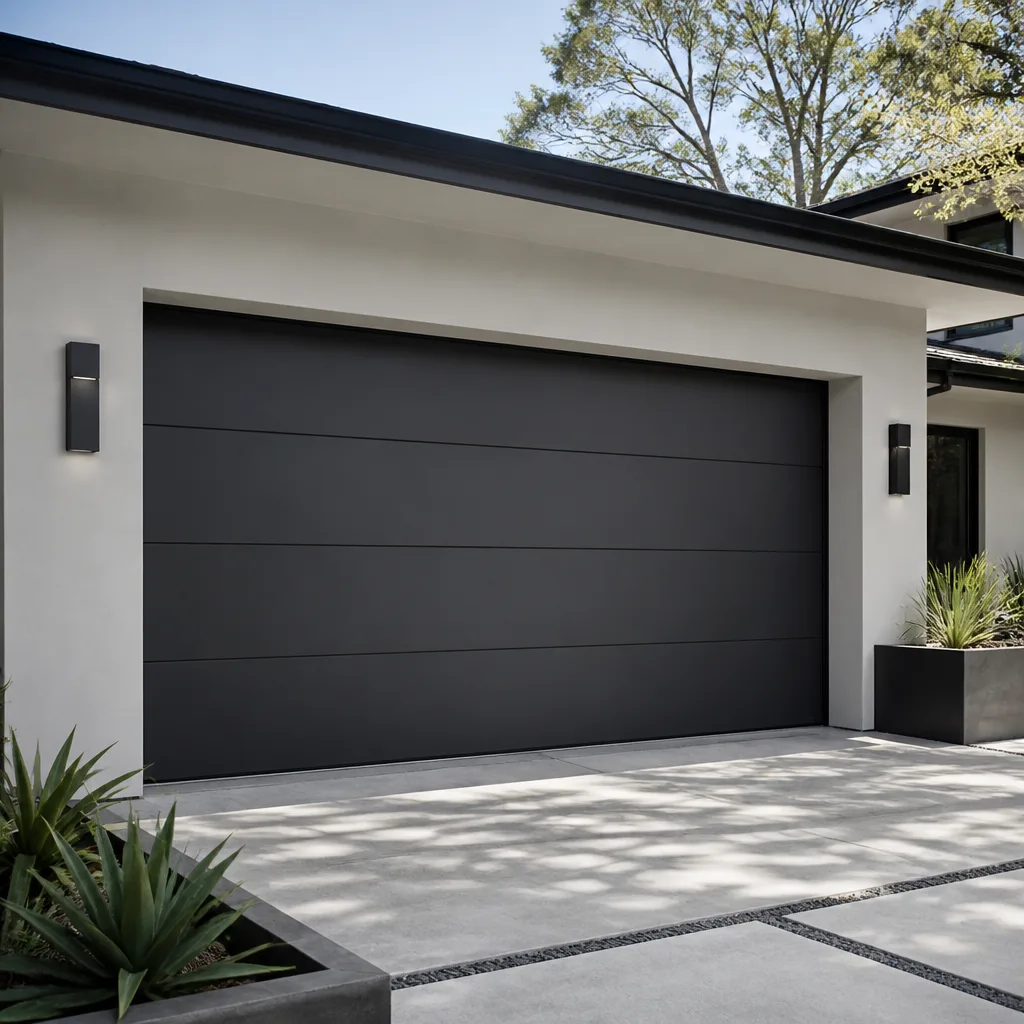 Modern flush
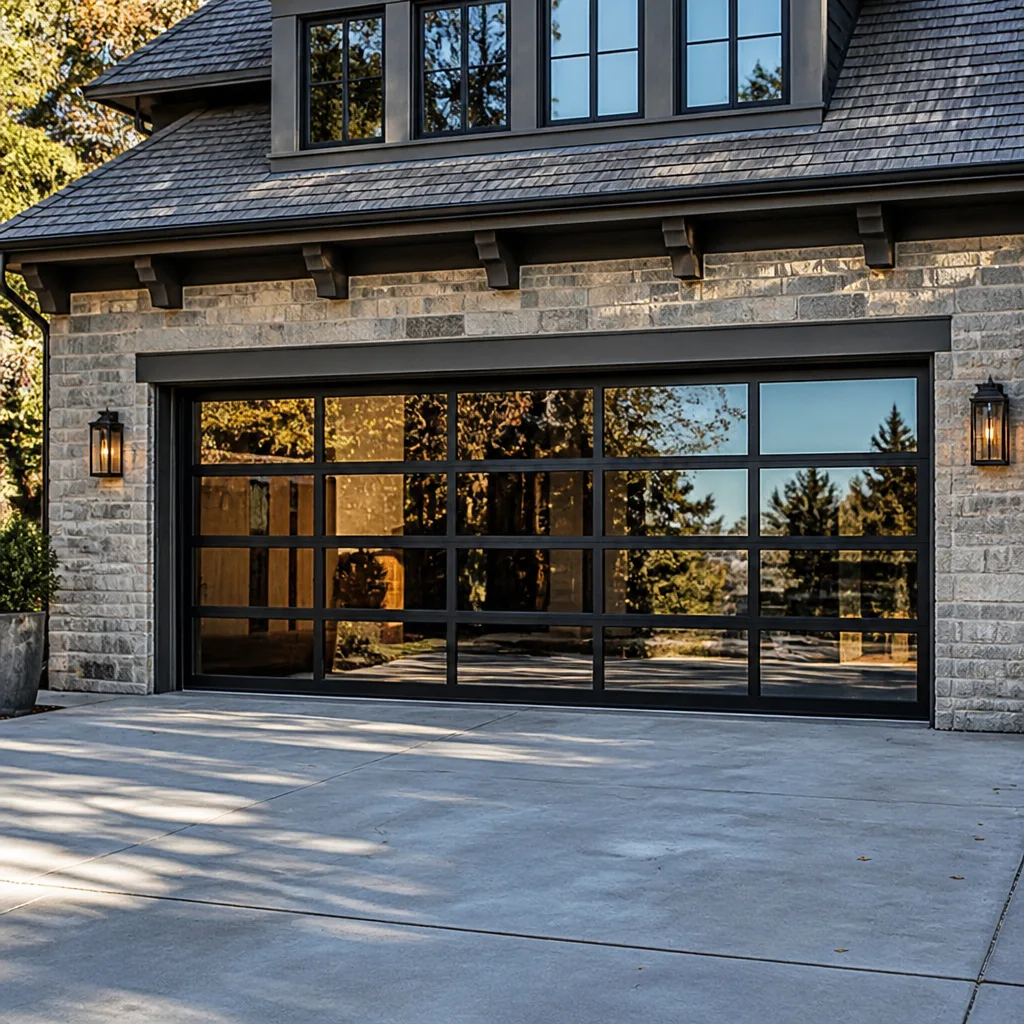 Full-view glass
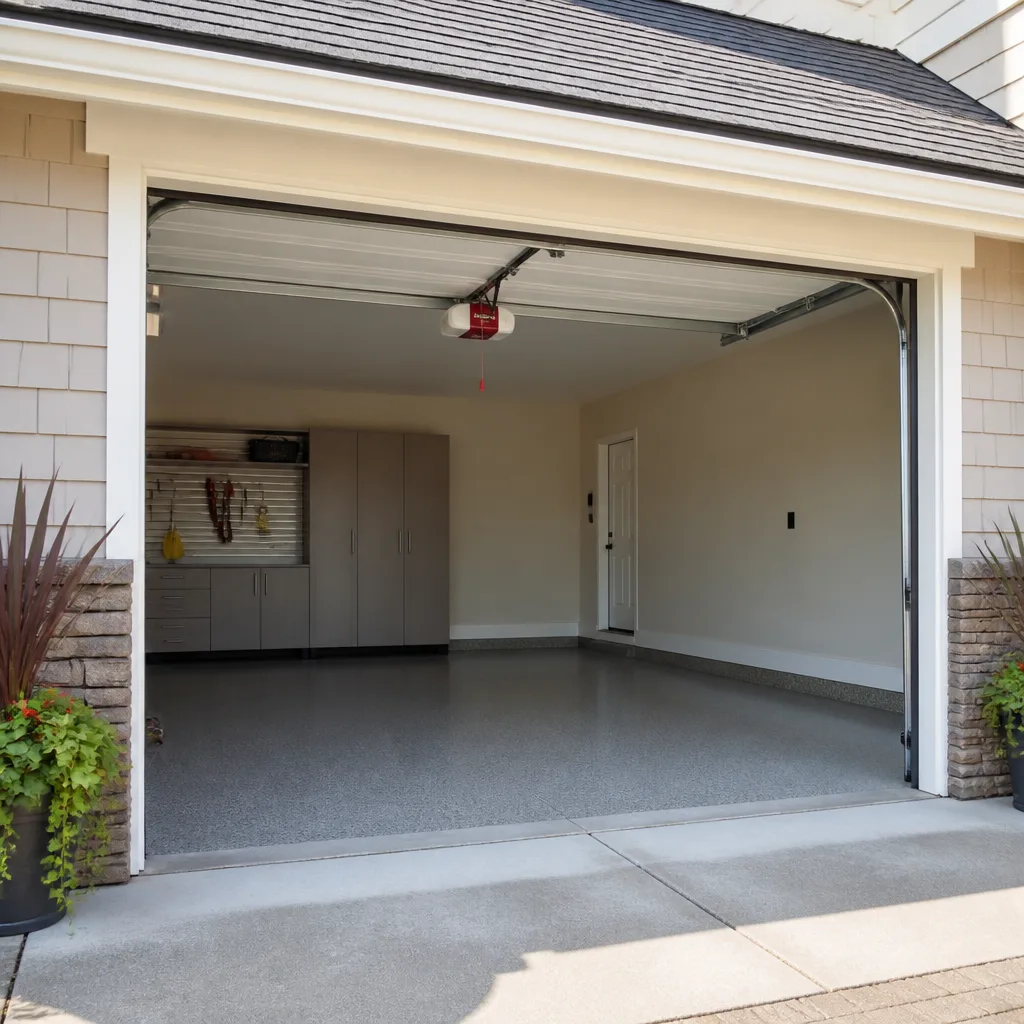 LiftMaster openers
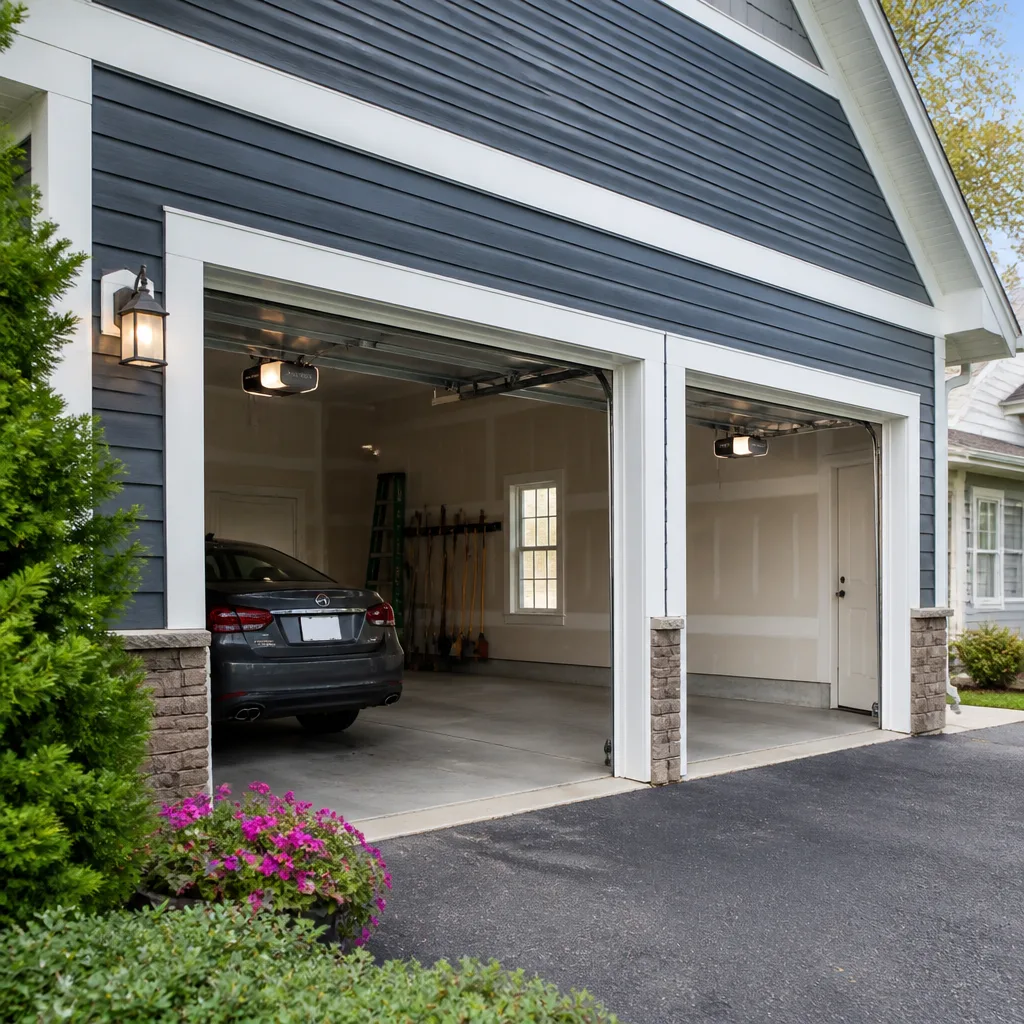 Chamberlain openers
Full 25-point door and opener safety check with every visit - springs, cables, rollers, tracks, and your LiftMaster or Chamberlain opener included
You get a price before we start. It does not change when the pro arrives.
Get your free estimateThe Complete Guide to Garage Doors in Boulder
Boulder sits at 5,430 feet, and almost no garage door guide mentions elevation even once. That matters, because the altitude, the UV load, and the temperature swings that come off the Flatirons change the way springs, panels, and openers wear compared with the sea-level conditions most manufacturer schedules are written around. A door that would last a decade near the coast can show fatigue sooner here. This guide walks through how doors actually fail in Boulder, what to check, how to choose an opener that suits a Colorado garage, and when to bring in a specialist. It’s organized around the environment, not around product catalogs.
Quick Answer
Garage door ownership in Boulder comes down to managing three local forces: high-altitude spring fatigue, intense sun and UV on panel finishes, and rapid temperature swings that stress moving parts and openers. Choose components rated for the actual door weight and wind exposure, keep springs and hardware lubricated on a seasonal rhythm that matches Boulder’s weather, and bring in a trained technician for springs, cables, and anything structural. Most problems are cheaper to prevent than to repair after they strand the door.
Styles & brands we work with
- Raised-panel steel
- Carriage house
- Modern flush
- Full-view glass
- LiftMaster openers
- Chamberlain openers
Table of Contents
- Why Boulder’s Elevation Changes How Your Door Wears
- Choosing Panel Materials for High-Altitude UV
- Older Ranch Homes and Foothills Construction
- Flatirons Wind Loads and Upgraded Hardware
- Which Opener Drive Fits a Boulder Garage
- A Boulder-Specific Maintenance Timeline
- The Spring and Cable Safety Rule
- Brand Familiarity That Prevents Repeat Visits
Why Boulder’s Elevation Changes How Your Door Wears
At 5,430 feet, the air is thinner and drier than at sea level, and that has real consequences for a garage door. Springs cycle under tension thousands of times a year, and the characteristics that make steel act like a spring vary with temperature, more so in a thin, dry environment. A torsion or extension spring that was specified on a sea-level assumption may lose its lift capacity faster here. When it does, the opener works harder to compensate, and that’s often the first thing a homeowner notices: a door that sounds labored or reverses for no clear reason.
Lubricants behave differently too. Grease and oils that stay put in mild, humid climates can thin as the temperature rises inside a sun-baked garage and thicken when it drops overnight. That cycle drives grit into hinges, rollers, and the spring shaft, and worn rollers are one of the most common reasons a door gets noisy or binds. In our experience across Boulder repairs, a dry, dusty garage speeds this up.
What this means in practice:
- Springs deserve a visual and performance check each season, not just when the door fails.
- Rollers, hinges, and the torsion shaft benefit from a proper garage-door lubricant rather than a generic household oil.
- Any door that feels heavier to lift by hand than it used to is telling you the balance has shifted.
- Openers forced to lift a struggling door wear out faster; balancing the door protects the opener.
None of this changes the core advice: when the door is out of balance or a spring looks off, that’s a job for a trained technician. Springs are under extreme tension and can cause serious injury if handled without the right tools and knowledge. We treat garage door spring repair as a specialty for exactly that reason.
Choosing Panel Materials for High-Altitude UV
Boulder gets a great deal of sun, and high elevation means less atmosphere to filter UV before it reaches your door. Manufacturer lifespan specs for panel finishes are usually written for average conditions; here, a south- or west-facing door can fade and chalk noticeably faster. The material you choose matters as much as how it’s finished.
Here’s how the common options tend to hold up in this environment:
- Insulated steel: The most common choice for Boulder homes. Steel is strong, holds paint well, and handles temperature swings better than most. Fade resistance depends on the factory finish, so look for a door with a durable baked-on coating.
- Vinyl and composite: These resist dents and rot, but high UV and sharp temperature changes can warp panels over time. On a long, sun-exposed wall, they need closer watching.
- Aluminum: Light and rust-resistant, which suits certain modern designs. It’s also more prone to denting, so it’s a better fit for low-traffic garages.
- Wood: Beautiful and repairable, but it needs regular sealing in this climate to survive sun and dry air. Neglected wood is where you’ll see the most weather damage.
Insulation is a separate decision from material, and it’s worth thinking about if your garage shares a wall with living space or houses a workshop. The right answer depends on your home’s orientation, how much sun the door gets, and your budget. A free measure and a written estimate will tell you what actually fits your opening rather than guessing from a catalog.
Older Ranch Homes and Foothills Construction
Boulder’s housing stock is a mix of eras, and door weight and spring tension follow the era. The 1970s ranch and split-level homes that make up large parts of the city often have single-wide openings with doors that are lighter than modern insulated models, but their springs have usually been replaced at least once, sometimes with the wrong tension. Older hardware and a mismatched spring can make a door feel fine one day and slam or stick the next.
Newer foothills construction is a different story. Wider openings, heavier insulated doors, and sometimes custom sizing mean the spring system and opener need to be matched precisely to the door’s actual weight and dimensions. It’s not unusual for a door on a hillside home to carry more weight and need more lift than a standard off-the-shelf setup provides.
When we assess a Boulder door, we check:
- The door’s actual weight and dimensions against its spring specification.
- Whether the springs have been replaced with the correct wire gauge and length for the door.
- Track alignment and roller condition, which older doors often need first.
- Whether the opener’s torque matches the door, especially after a spring change.
- Hinge and bearing wear along the full travel of the door.
Getting this right the first time avoids repeat visits. A door that was balanced to the wrong spring will keep misbehaving no matter how many times the opener is adjusted.
Flatirons Wind Loads and Upgraded Hardware
Boulder’s position against the Flatirons means wind, and wind that arrives fast. A garage door is the largest moving surface on most homes, and when gusts hit a wide, lightly reinforced door, the hardware takes the load. Standard residential doors are built for general conditions; doors on exposed sites, especially those facing open ground with little windbreak, sometimes need heavier-gauge tracks, reinforced struts, or upgraded hinges and rollers to hold up.
This is where a local technician’s judgment helps. A door that rides fine on a sheltered street can flex and rattle on a wind-exposed site, and over time that flex loosens fasteners and warps panels. If your door faces the foothills or a long open view, it’s worth asking whether upgraded hardware is a sensible choice for your opening. That decision depends on exposure, door size, and material, so there’s no single universal answer. It’s also something to raise during a free measure, before you commit to a door.
If your current door is already showing stress cracks in panels or a track that won’t stay aligned, that’s a signal to have it looked at. Persistent misalignment isn’t just annoying; it strains the opener and the spring system together.
Which Opener Drive Fits a Boulder Garage
Opener drive type is where temperature swings matter most. Boulder garages can be cold in the morning and warm by afternoon, and that range affects how a drive mechanism performs and how much noise it makes. Here’s how the three main types tend to behave:
- Belt drive: The quietest option and the best choice if a bedroom or living space sits above or beside the garage. Fewer moving metal parts means less noise and less vibration. It costs a little more but suits most Boulder homes well.
- Chain drive: Durable and widely available, with a slightly louder rumble. It handles heavy doors and cold starts well and is a common pick for detached garages where noise isn’t a concern.
- Screw drive: Fewer moving parts and good for cold climates, with a distinct hum. It’s a solid middle ground for homeowners who want something between belt and chain, though fewer manufacturers offer it.
Drive type matters, but so does the opener’s smart-home capability, especially if you’re replacing an older system. Legacy Craftsman openers and current LiftMaster and Chamberlain models behave differently, and matching a new opener to your door’s weight and track is what makes it last. We work on both ends of that spectrum. If you’re deciding, our page on garage door opener repair goes deeper on symptoms and fixes.
One more point that gets overlooked: a heavier insulated door or a garage with a steep pitch may need an opener with more lift capacity. Choosing based on price alone often leads to a short-lived motor. A written estimate that accounts for your actual door avoids that.
A Boulder-Specific Maintenance Timeline
Generic quarterly checklists don’t match how weather actually moves through Boulder. Here’s a rhythm built around the seasons here:
- Early spring: After winter’s cold cycles, check the balance of the door and listen for a struggling opener. Lubricate rollers, hinges, and the spring shaft.
- Late spring: Inspect panel finishes for sun damage before the strongest UV of the year. Touch up or seal as needed, especially on south- and west-facing doors.
- Summer: Watch for squeaks and binding as heat expands the door and thins lubricant. Re-lubricate if the door gets noisy.
- Early fall: Test the safety reverse and check weather seals before the first cold snap. This is the season to catch small issues before winter.
- Before winter: Confirm the opener handles the door smoothly in the cold and that tracks are clear of debris that can freeze or jam.
This rhythm catches the most common failure points before they strand a door. If you’d rather not track it yourself, a trained technician can do the check in a single visit.
The Spring and Cable Safety Rule
Springs and cables are the one part of garage door work we tell homeowners never to touch. A torsion spring stores an enormous amount of energy, and a cable under load can snap without warning. There’s no safe way to adjust or replace either without the right tools, training, and knowledge of how the system is balanced. This is why garage door repair on springs and cables is always a professional call.
What you can safely do:
- Watch and listen. A door that lifts unevenly or reverses suddenly needs a technician.
- Keep the area around the door clear of anything that could jam the track.
- Don’t force a door that’s stuck; stop and call for help.
- Test the safety reverse regularly by placing an object in the door’s path.
For everything else, from a broken spring to a full new door, the same advice holds: get it diagnosed properly. Our specialists handle the whole job, from diagnosis through garage door repair and new installation, so you don’t have to coordinate several contractors as the door ages.
Brand Familiarity That Prevents Repeat Visits
Garage doors and openers aren’t interchangeable, and brands have their own quirks. A Genie opener with a particular drive and a Raynor door with a specific track profile can present symptoms that look identical to a different brand but need different parts. Technicians who’ve worked across many brands spot these faster. Our technicians have up to 11 years of experience, and we work with Raynor, LiftMaster, Chamberlain, Genie, and other major systems, so you get a diagnosis based on the actual equipment in your garage, not a generic guess.
This matters most when your door has been repaired before. A previous fix with the wrong part can make the next symptom misleading. Familiarity with how a brand is supposed to behave is what lets a technician tell the difference between a simple adjustment and a real problem.
Our team brings that to every job, whether it’s an urgent call or a scheduled visit. For the full picture of what we handle, see Boulder Garage Door Repair Pros.
Common Mistakes to Avoid
- Ignoring spring fatigue until the door fails. Springs don’t last forever, and high-altitude wear means they deserve a seasonal look. A little attention now prevents a sudden failure later.
- Choosing an opener by price alone. A motor undersized for a heavy insulated door or a wind-exposed site will struggle and wear out. Match the opener to your actual door.
- Skipping lubrication for months. A dry garage and temperature swings grind grit into moving parts. Keep rollers, hinges, and the spring shaft properly lubricated.
- Assuming a sea-level maintenance schedule applies here. Boulder’s UV and temperature range wear doors and springs differently. Build your checks around local conditions.
- Forcing a stuck door. Pulling harder on a door that’s binding strains the opener and can damage the spring system. Stop and get it looked at.
- Putting off panel and seal repairs. Sun and cold attack panel finishes and weather seals. Small fixes now save bigger ones later.
- Hiring a generalist for a spring job. Springs and cables demand trained hands. A general handyman isn’t the right call for a safety-sensitive repair.
See the difference
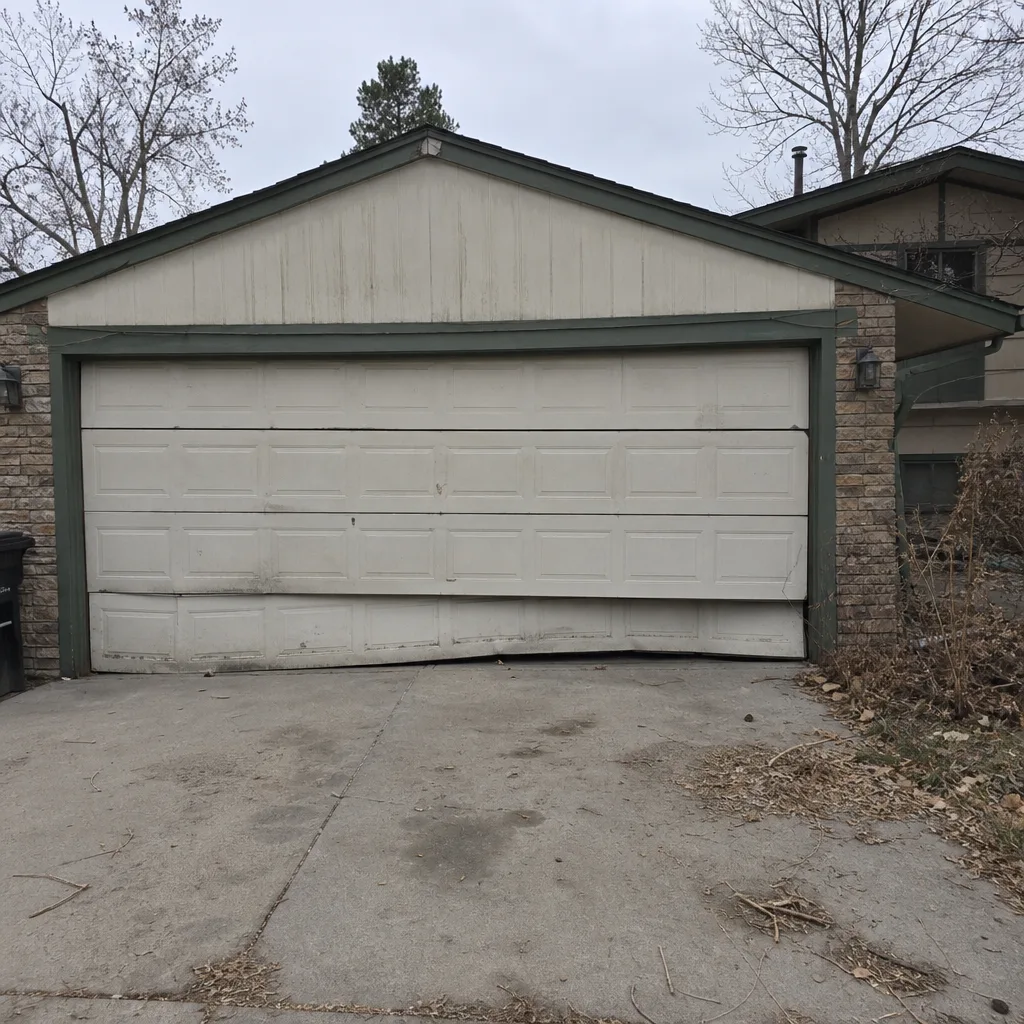 Before
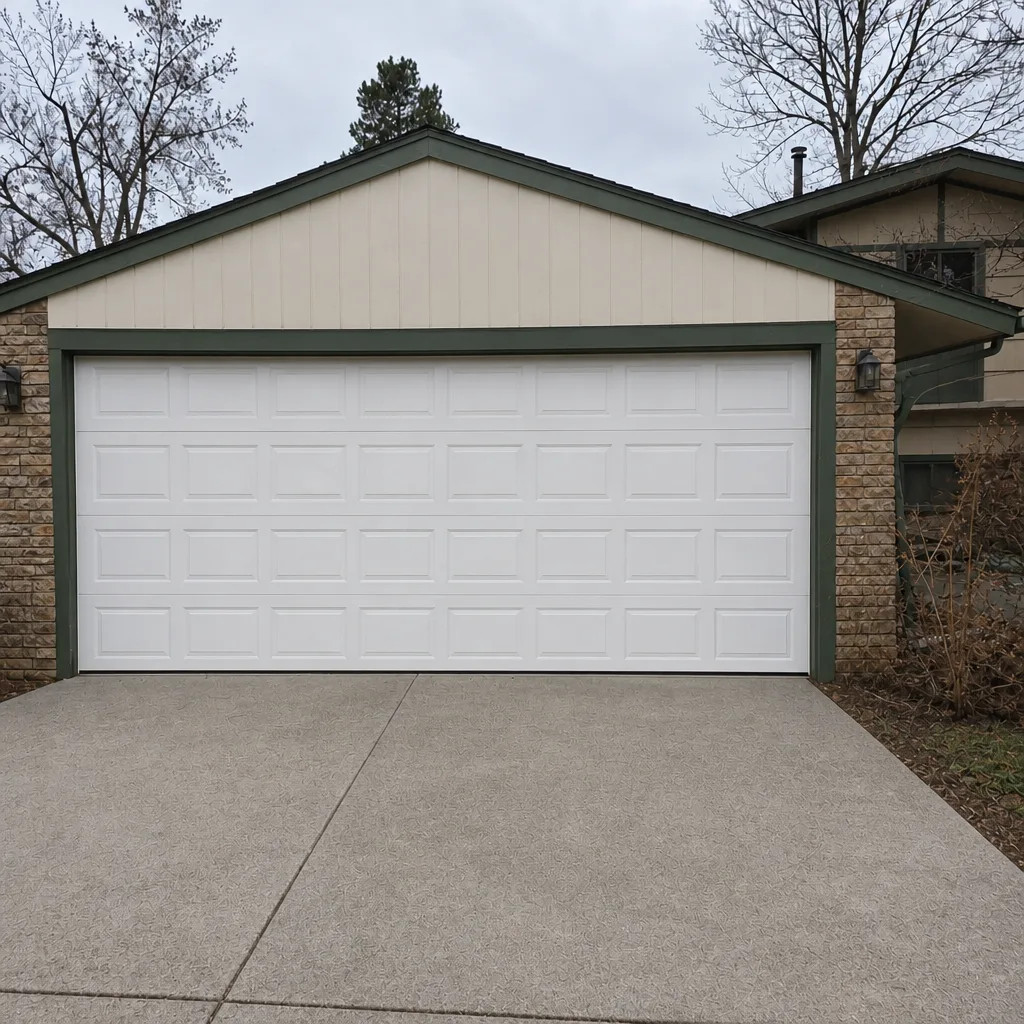 After
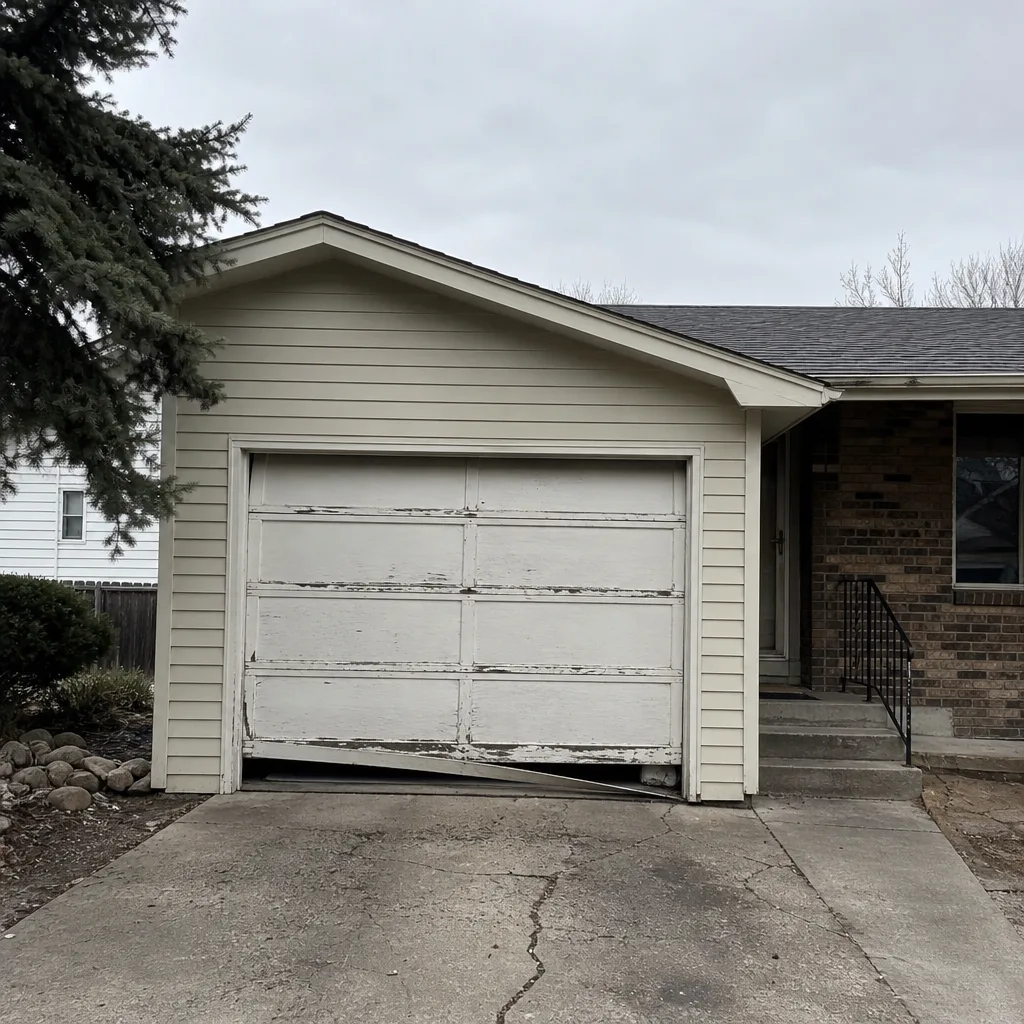 Before
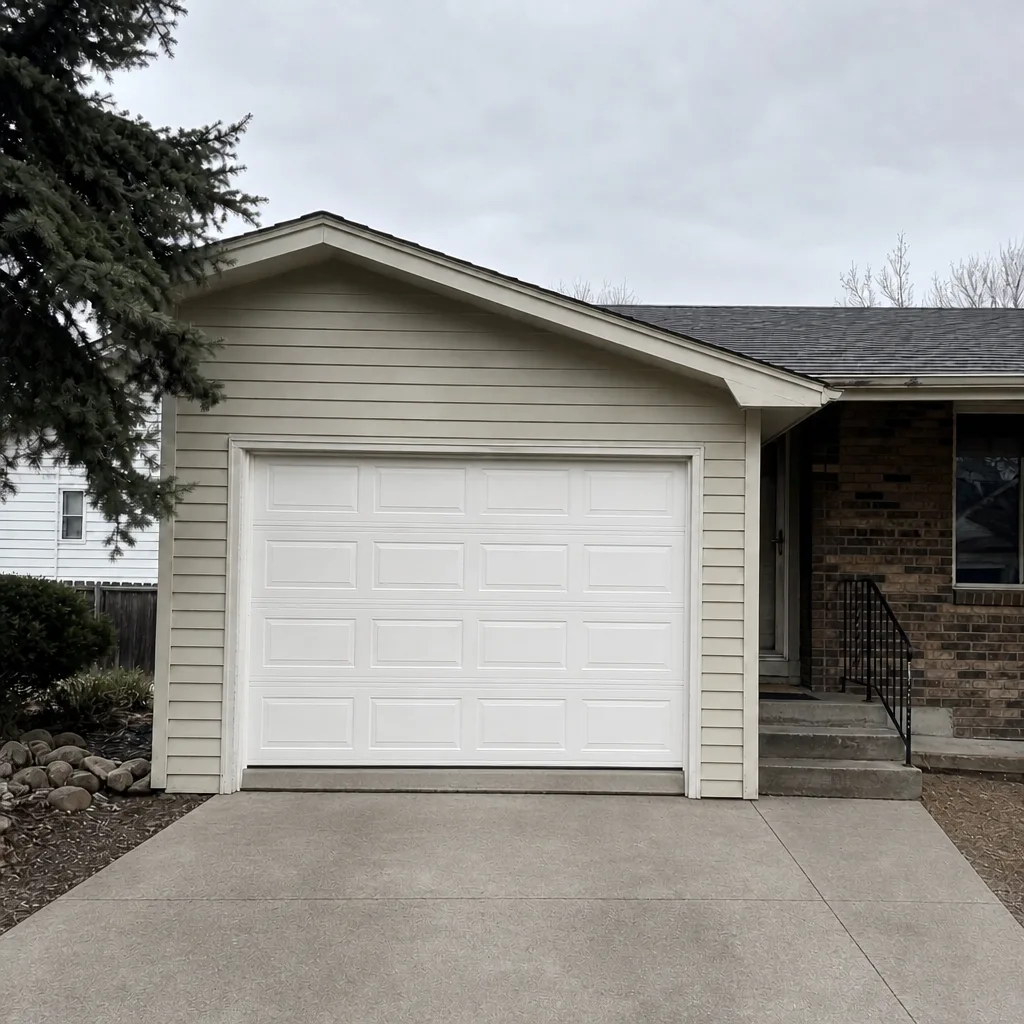 After
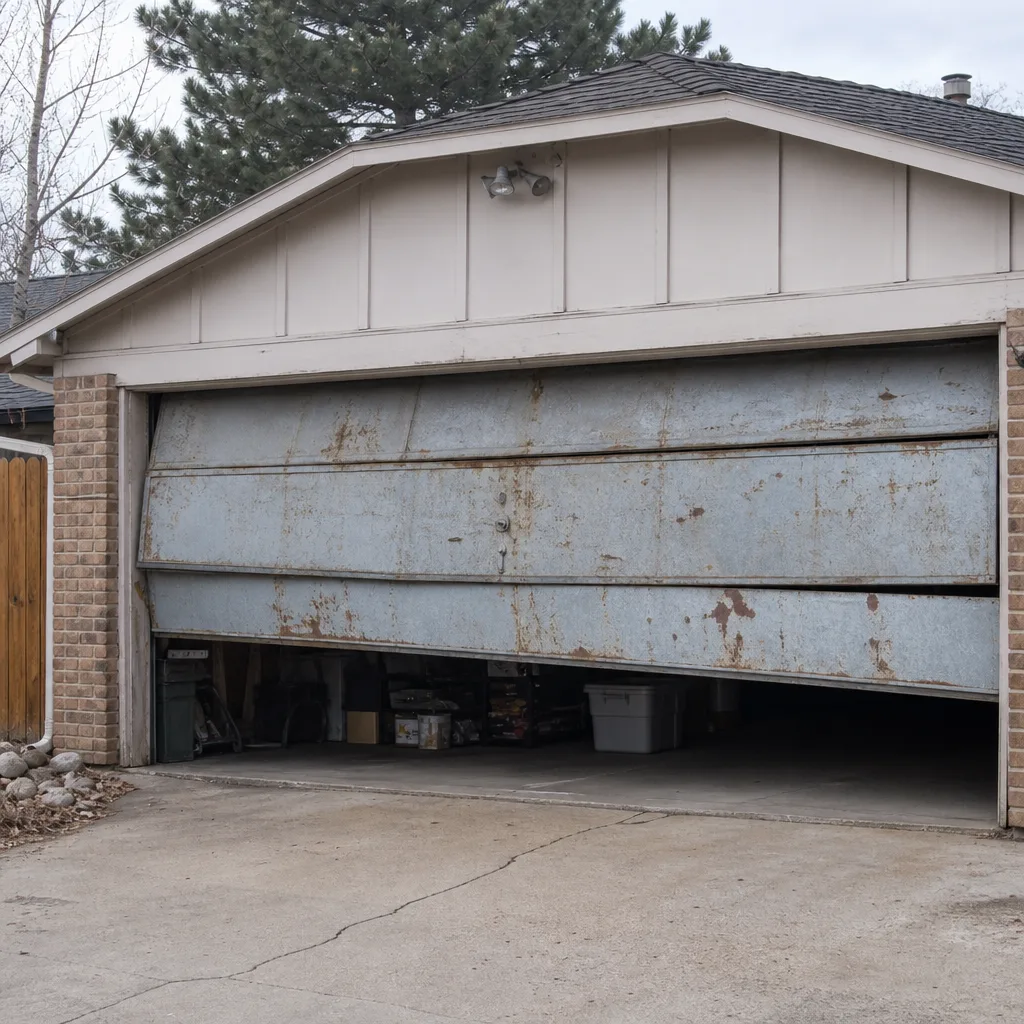 Before
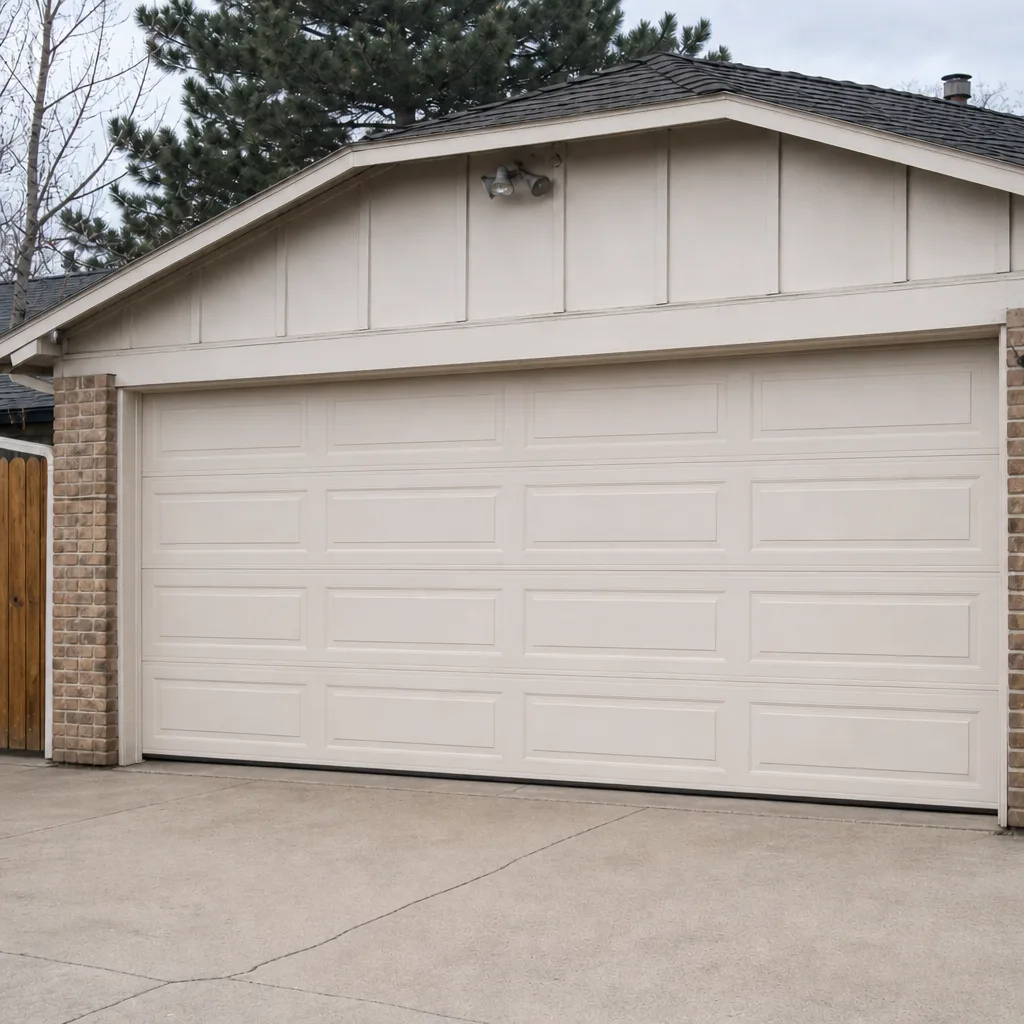 After
When to Call a Professional
Some problems are safe to monitor and some aren’t. Call a specialist if the door reverses without warning, lifts unevenly, or won’t stay down. Call if you hear a snap or bang and the door loses tension, which usually means a spring has failed. Call if the opener runs but the door doesn’t move, if the door wobbles, or if a track has bent. Call if the door feels heavier to lift by hand than it used to, since that points to a balance problem. And call if you’re unsure. Boulder Garage Door Repair Pros offers free estimates in Boulder, with the price quoted and agreed before any work starts. For urgent problems, call (855) 694-6347.
Frequently Asked Questions
Yes, generally. Boulder’s high altitude and intense sun put more UV load on finishes and more thermal cycling on springs, rollers, and openers than sea-level conditions do. That means maintenance checks matter more here, and springs deserve attention on a seasonal rhythm rather than waiting for a failure.
No, and we’d strongly advise against it. Springs and cables are under extreme tension and can cause serious injury if handled without the right tools and training. Call a professional for any spring or cable work. Call (855) 694-6347 for an estimate.
Belt drive is the quietest and a good all-around pick, especially if living space sits near the garage. Screw drive handles cold starts well, and chain drive is durable for heavy doors. The right choice depends on your door’s weight and your garage’s layout, so a free measure and written estimate is the practical first step.
Prices depend on the job: a spring repair, a cable repair, a roller and hinge tune-up, and a full new-door install all sit in different ranges. We quote each job after seeing the door and agree the price before any work starts, so there’s no guesswork. Call (855) 694-6347 for a free estimate.
No. The price we quote and agree before work starts is the price you pay. If we find something unexpected during the job, we stop and talk it through with you before doing anything extra. Estimates are free, so call (855) 694-6347.
Yes. We work with Raynor, LiftMaster, Chamberlain, Genie, and other major systems, which lets us diagnose brand-specific problems accurately and fix them right the first time. If you’re unsure whether your brand is covered, give us a call.
What to Check Before You Order a New Door
Before a new door gets ordered, it helps to know what your opening and your habits actually need, so the decision is made once rather than revisited later.
- Measure the opening and confirm the door’s weight class against the spring system.
- Check how much sun the door faces and how exposed the site is to wind.
- Decide whether insulation matters for your garage’s shared walls or use.
- Confirm the opener’s lift capacity matches the new door.
- Ask about panel finish durability for high-UV exposure.
For installation and new-door work, we don’t promise same-day service because there’s material to order and a schedule to set. What we do promise is a free measure and a written price you can plan around.
The Bottom Line
Boulder’s altitude, sun, wind, and mix of older ranch homes and newer foothills construction give local garage doors demands that generic guides miss. The practical takeaways: watch springs seasonally, choose panel materials with UV and temperature in mind, match your opener to the actual door, and never handle springs or cables yourself. Small checks around the seasons prevent most failures, and a trained technician is the right call for anything safety-sensitive. From a broken spring to a full new door, we handle the whole job. Call (855) 694-6347 for a free estimate in Boulder.
Written by the team at Boulder Garage Door Repair Pros.